For sharing with a group
A box placed on the table lets everyone choose from a selection of pieces. As a guide for serving, Lindt France describes its 482 g CHAMPS-ÉLYSÉES Milk box as an assortment of 44 pieces in 9 recipes.


For a TV night with friends or family, choose a box based on the number of pieces and the recipes you’d like to share. For a smaller group, a more modest box or individually wrapped portions may be more practical. Before serving an assortment, check the ingredients and allergens for the exact product. To compare its contents with another box, look at the nutritional values per 100 g, whether or not it displays the Nutri-Score.
A box placed on the table lets everyone choose from a selection of pieces. As a guide for serving, Lindt France describes its 482 g CHAMPS-ÉLYSÉES Milk box as an assortment of 44 pieces in 9 recipes.
To choose between two boxes, check the ingredients and nutritional values per 100 g, particularly sugars and saturated fat. Santé publique France states that displaying the Nutri-Score is voluntary.
The milk chocolate and praline products described by Lindt France and Carrefour list milk, nuts, soya or wheat, as well as possible traces of certain allergens, depending on the product. Check the exact packaging before serving.
Start with how you plan to serve it: an open assortment, individually wrapped pralines or bags to hand out. Then check the ingredients for each product, especially if anyone needs to avoid a particular ingredient.
| What to consider | What to check | Who it matters to |
|---|---|---|
| Sharing format and variety | Number of pieces or bags; number of recipes and net weight. | If several people are helping themselves from the same box, I want enough pieces and a choice of recipes. Around 33% of consumers put sharing first. |
| Nutritional values | Sugars and saturated fat per 100 g; ingredients list. | When comparing two boxes, I look at their nutritional information on the same basis rather than relying on the front of the pack alone. This is the top priority for around 25% of consumers. |
| Allergens in the recipes | Ingredients and ‘may contain’ statements on the exact product packaging. | Before putting an assortment on the table, I need to know whether its recipes are suitable for everyone present. Around 25% of consumers prioritise this check. |
| Small groups and leftovers | Box size and amount to serve; whether portions are individually wrapped. | For two people or a small gathering, I’d rather choose an amount that suits us than a large box with some left over. Avoiding surplus is the top priority for around 17% of consumers. |
According to Santé publique France, producers display this logo voluntarily. Its absence alone doesn’t tell you how the box’s nutritional profile compares.
Compare the ingredients list and nutritional values per 100 g. If two products in the same category display the Nutri-Score, you can take it into account too, but don’t make it your only criterion.
The products described by Lindt France and Carrefour don’t all have the same ingredients or ‘may contain’ statements. You can’t assume that another size or recipe in the range has the same ingredients as the box you’ve chosen.
Check the labelling for the exact product and pack size before buying, and again before serving if a guest needs to avoid an allergen.
A box of bite-sized chocolates, a praline assortment and a box of individual bags are not served in the same way, even when their net weight is shown.
Compare the number of pieces or bags with the number of people, then check how many recipes are included if variety matters for your evening.
The tax guidance from the Ministry of the Economy and Finance concerns levies on non-alcoholic drinks. On its own, it doesn’t support any conclusion about a box of solid chocolate.
Don’t use this supposed tax as a deciding factor when choosing between chocolate boxes.
Lindt France describes its 482 g CHAMPS-ÉLYSÉES Milk box as an assortment of filled chocolates.
Carrefour’s product listing describes the 169 g Milka Moments Mix as a box of individually wrapped pralines.
Carrefour describes a 200 g box of Côte d’Or milk chocolate praline bites, containing 8 bags.
A 410 g box described by Carrefour combines milk chocolate bites in hazelnut, salted caramel and almond recipes.
These products include bars or slabs in multipacks, as well as a bag of bite-sized chocolates to share. They offer different ways to serve a chocolate snack, but they aren’t boxes of assorted bite-sized chocolates.
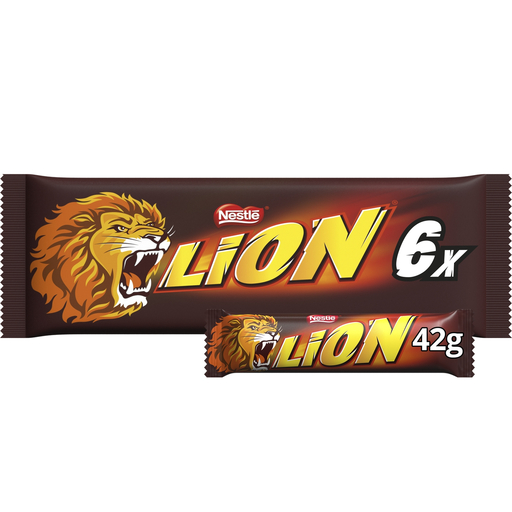 Image unavailable
Six bars to hand out individually for a TV snack. These are cereal bars coated in milk chocolate, not an assortment of chocolates. Check the label if anyone needs to avoid allergens.
 Image unavailable
The three bars make handy individual portions for sharing. This format doesn’t offer a selection of different bite-sized recipes. Check the ingredients for the exact product if you need to take allergens into account.
 Image unavailable
The bag can be placed in the middle of the table for a relaxed get-together. It contains bites of the same recipe, with no individual bags listed. If the number of pieces matters for serving, check the packaging.
 Image unavailable
Three portions of milk chocolate with nougat may suit a small shared snack. This isn’t a box of assorted recipes. Check the multipack label if almonds, milk, soya or egg are a concern for your guests.
No. Santé publique France says that producers choose whether to display it. If the logo isn’t shown, compare the ingredients and nutritional values per 100 g instead. Its absence doesn’t indicate anything in particular about the product’s quality.
Read the ingredients list and any ‘may contain’ statements on the exact packaging. Depending on the box, the products described by Lindt France and Carrefour list milk, hazelnuts, almonds, soya or wheat. Some also mention that the product may contain egg or other nuts.
To plan how you’ll serve them, compare the number of pieces or bags, the net weight and the number of recipes, rather than looking at weight alone. For the nutritional content, compare the values per 100 g separately.
No, not on the basis of the tax guidance cited here: the Ministry of the Economy and Finance refers to levies on non-alcoholic drinks. This information doesn’t show that a tax on drinks applies to a box of solid chocolate.