
Livraison le jour même ou le lendemain

Qualité garantie

Débloquez vos offres de bienvenue: Livraison GRATUITE | Jusqu'à -80 % | 30 jours d'essai gratuits à JoyPlus
Téléchargez l'application
Milk chocolate biscuits have everything it takes to please the whole family: a crunchy texture, comforting sweetness and a handy format that's easy to take on the go. But from one packet to the next, the differences aren't always obvious. From chocolate bars studded with puffed cereals, filled biscuits, wafer rolls or coated sticks, the ingredients and how you enjoy them can vary quite a bit.
Before you stock the cupboard, keep three common pitfalls in mind:
To choose a product that suits your habits, start by looking at the type of biscuit stated on the packaging:
Ingredients are listed in descending order by weight. The percentages of cocoa, cereals or nuts are also useful for comparing recipes, without being swayed solely by the pictures on the packet.
Nutritional tables let you compare products that come in different sizes or portion formats. For a snack or a break, keep an eye on:
The products featured here show different values. Glico Pocky Milk, for example, lists 510 kcal and 28g of sugars per 100g, compared with 498 kcal and 39g of sugars per 100g for LU Petit Écolier. These figures are not medical advice – they simply help you compare products based on your preferences and consumption.
For a box intended for several people, a 150g to 300g packet is usually practical. To slip into a rucksack, keep at the office or take on a day out, a small individual format limits handling and stops you leaving the rest of the packet open.
Allergens must be clearly highlighted, in line with European labelling rules. Wheat, milk and soya are common in crunchy biscuits and chocolate wafers. Nuts may also feature in hazelnut or almond recipes, or be listed as possible traces.
Finally, store products in a cool, dry place away from sunlight. After opening, an airtight container helps preserve the crunch. Temperature changes can also alter the appearance of the chocolate, without necessarily meaning the product is spoiled, as some storage guides remind us.
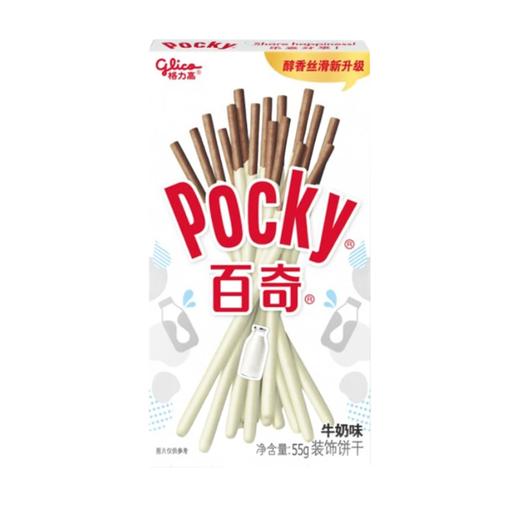
Why this choice suits this profile: At 55g, this size is ideal for anyone wanting to try milk chocolate biscuits without buying a large packet. The sticks are ready to eat and slip easily into a bag.
The net weight is clearly stated and the recipe specifies the presence of milk, wheat and soya. The small format reduces the risk of biscuits going soft after several openings.
Crunchy sticks, a milky coating and a 55g format that's ready to eat.
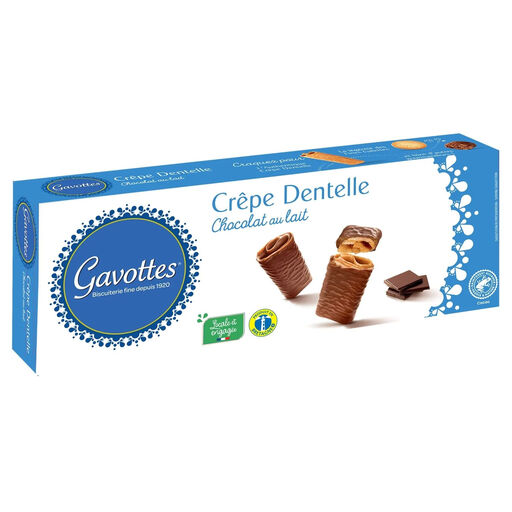
Why this choice suits this profile: This box of six 90g sachets is perfect for a break with coffee, tea or dessert. The lace crêpes coated in milk chocolate offer a more elegant presentation for entertaining.
The number of sachets and the weight are clearly stated. This makes sharing easy and lets you enjoy portions gradually, without constantly reopening the same packet.
A lace crêpe texture, milk chocolate coating and separate portions.
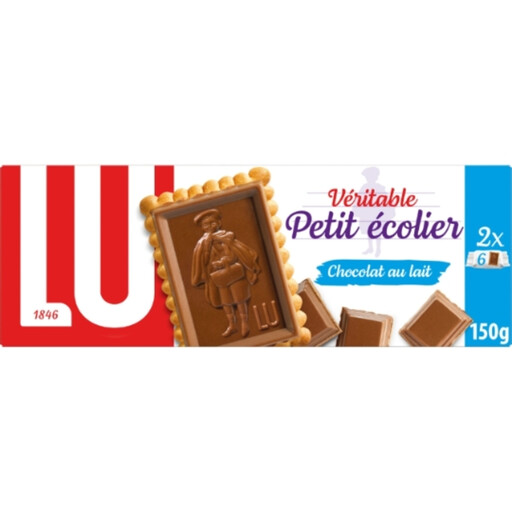
Why this choice suits this profile: At 150g, this packet fits easily into a family cupboard. The combination of buttery biscuit and milk chocolate is a classic, perfect for an afternoon snack or a shared break.
The product page clearly distinguishes the biscuit base from the chocolate part and identifies the allergens: milk, wheat and soya.
A buttery biscuit, milk chocolate coating and a 150g format ideal for sharing.
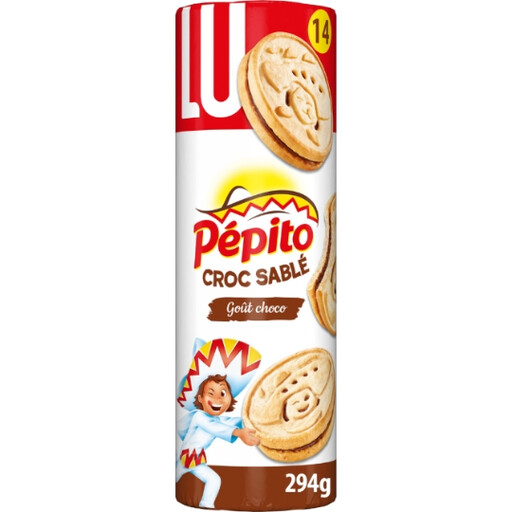
Why this choice suits this profile: At 294g, this packet is made for repeated snacking and sharing moments. The chocolate filling offers a different texture from a simple coated biscuit.
The weight, the presence of a filling and the storage conditions (away from heat and humidity) are clearly stated.
294g, two crunchy biscuits per unit and a chocolate-flavoured filling.
Yes, as long as you reseal the packet carefully or transfer the biscuits to an airtight container. Keep them in a dry place at room temperature, away from heat sources and direct light. Always check the best-before date on the packaging.
Small formats like Glico Pocky, or biscuits packed in individual sachets, are practical and minimise handling. For a school bag or a break at the office, also check the sturdiness of the packaging and whether any allergens are present that might affect the person eating them.
Yes. A coated biscuit has a layer of chocolate on its surface, while a filled biscuit contains a filling between two biscuit halves. The former usually offers a clearer contrast between crunch and chocolate; the latter gives a more generous mouthfeel. The choice really comes down to the texture you prefer and the ingredients listed on the packaging.