Hosts who want to serve without cutting
If you want to serve a ready-portioned piece with coffee, compare bars and mini bars, including the smaller formats in Milka’s range. Check the weight of each unit, rather than the weight of the whole pack.


If you want to serve everyone a portion without breaking up a chocolate bar, choose an individual bar or a mini bar. If everyone would rather help themselves to a few squares, a sharing bar gives you more flexibility. Before you buy, check the weight of each portion, the ingredients and allergens in the specific recipe, then compare the nutritional information per 100 g.
If you want to serve a ready-portioned piece with coffee, compare bars and mini bars, including the smaller formats in Milka’s range. Check the weight of each unit, rather than the weight of the whole pack.
If a guest needs to avoid certain ingredients or traces, check the exact recipe before serving. The Ministry of the Economy says that allergenic ingredients must be highlighted on the label.
To compare different milk chocolates, check the sugar, energy and fat content per 100 g, then consider the weight of the portion you plan to serve. The DGCCRF explains that Nutri-Score is optional, so its absence is no substitute for checking the nutritional information.
| What to consider | What to check | Who is it for? |
|---|---|---|
| Portion and serving | The weight of each unit and whether it is individually wrapped, if you want to hand out portions. | When I serve coffee, I want to give everyone a portion without breaking up a bar. Around 40% of consumers put ease of serving first. |
| Allergens | Highlighted allergenic ingredients and ‘may contain’ warnings for the exact recipe. | If someone in the group needs to avoid an allergen, I need to check the chocolate before offering it. This is the main concern for around 30% of consumers. |
| Nutritional composition | Sugars, energy and fat per 100 g; the portion weight helps put these figures into context. | When choosing between two recipes, I want to compare their values on the same basis, rather than confuse 100 g with a whole bar. Around 30% of consumers prioritise this comparison. |
The levy described by the Ministry of the Economy applies to sugary drinks, not milk chocolate bars. It cannot be used to assess their composition.
To compare chocolates, check their ingredients, weight and nutritional information instead.
The DGCCRF describes Nutri-Score as a voluntary labelling system. For pre-packed foods, the nutrition declaration provides values per 100 g to help you compare products.
If a Nutri-Score appears on the packaging, consider it alongside the other information. Don’t draw conclusions from its absence alone.
Ingredients and any stated traces vary by product. For example, a product listing for a 25 g Milka bar on Joybuy mentions milk, soya and hazelnuts, as well as the possible presence of wheat and other nuts.
If a guest has an allergy, check the packaging of the recipe you’re going to serve.
The DGCCRF says that nutrition declarations are given per 100 g or 100 ml to make comparisons easier. A serving may weigh less than 100 g.
Check the net weight before interpreting the sugar or energy content of a portion.
Milka France offers a 25 g mini bar and milk chocolate bars among its confectionery products.
Lindt France offers milk chocolate in several formats, including a 33 g Nuxor Milk Hazelnut bar and 100 g sharing bars.
Carrefour lists a Côte d’Or milk chocolate product in 100 g sharing bars.
Carrefour offers 100 g Classic’ and Bio milk chocolate sharing bars.
These products suit anyone looking for an individual milk chocolate bar to serve without cutting, or a bag of mini bars to share. If you want to hand each guest an individually wrapped portion, check the packaging before you buy.
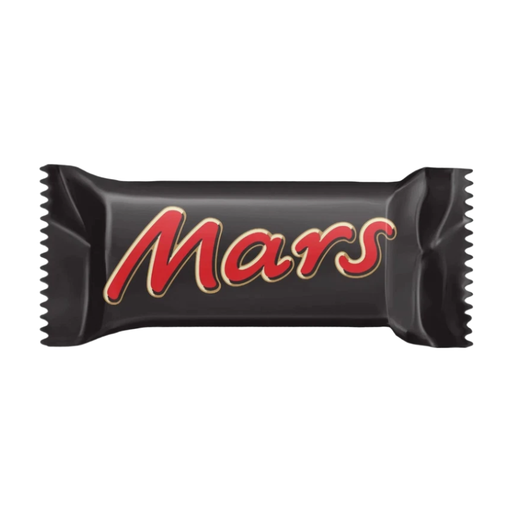 Image unavailable
An individual bar you can serve without breaking up a sharing bar. At 51 g, it may be worth considering if you’re looking for a smaller portion. Check the ingredients and allergens in the recipe before offering it.
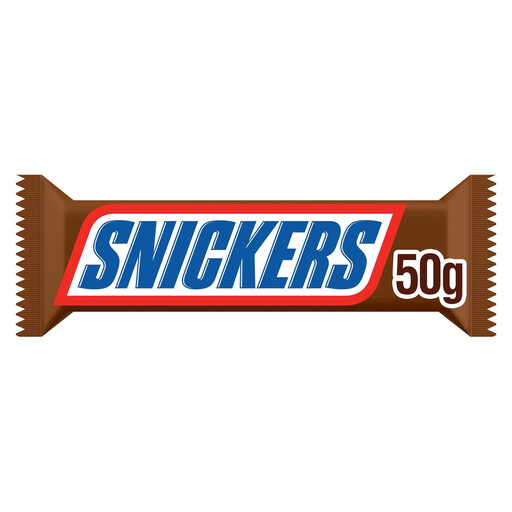 Image unavailable
This bar is handy for serving without cutting, as long as its peanut recipe is suitable for your guests. It weighs 50 g; check the allergens and individual packaging on the pack.
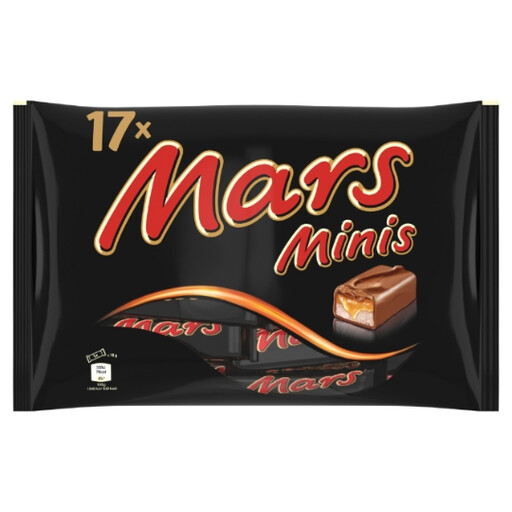 Image unavailable
A bag of mini bars gives you individual pieces to serve with coffee, instead of a sharing bar to break up. The 333 g is the weight of the whole bag, so check the weight of each mini bar if portion size matters to you, as well as the allergens in the recipe.
 Image unavailable
This pack gives you three bars without having to cut up a large sharing bar. Each bar weighs 50 g. If you want to hand them out, check whether the bars are individually wrapped, and read the allergen information before serving.
No. The DGCCRF explains that Nutri-Score is a voluntary labelling system. If it appears on two products you’re comparing, consider it alongside their ingredients and nutritional information.
If a guest has an allergy, first check the ingredients and allergens for the exact product. The Ministry of the Economy says allergenic ingredients must be highlighted. The DGCCRF explains that nutritional values per 100 g make it easier to compare pre-packed foods.
No. The levy described by the Ministry of the Economy applies to sugary drinks, not milk chocolate bars or sharing bars.
Follow the storage instructions on the packaging of the product you’ve bought. Before serving, also check that the packaging and any information your guests need are still legible.