Anyone looking for a small portion
For a quick break, you’ll want to know the weight of each bar, not just the weight of the pack.


For a solo snack break, start by checking the weight of each bar to find the portion size you want. Then compare the ‘of which sugars’ figure and the ingredients on the specific product you’re buying. A hazelnut or biscuit recipe offers a different texture, but you’ll need to check the allergens. If there’s a Nutri-Score on the packaging, remember that it doesn’t replace this information.
For a quick break, you’ll want to know the weight of each bar, not just the weight of the pack.
If you’re after a crunch or a hazelnut filling, the ingredients list and allergen information are essential when choosing a recipe.
You want to compare sugar content on a like-for-like basis, rather than guessing from the format alone or whether a Nutri-Score is shown.
If you’re planning to eat a whole bar, start with its weight. The label will then help you distinguish between the portion size, the sugars in the recipe and the ingredients to check.
| What to check | Look for | Who is it for? |
|---|---|---|
| Sugars and labelling | Compare ‘of which sugars’ per 100 g, then check the amount in the bar you’ll eat. | If you’re comparing different recipes, sugar content matters more than how the packaging looks. Around 40% of consumers rank this check as their top priority. |
| Portion per bar | Check the weight of one bar and the number of bars in the pack, rather than looking only at the pack weight. | For a quick snack on the go, you may want a pre-portioned bar rather than opening a larger format. This is the main priority for around 30% of consumers. |
| Recipe and allergens | Read the ingredients and precautionary allergen information for the specific product you’re choosing. | If you’re mainly looking for a hazelnutty texture, make sure the recipe is also suitable for you based on the allergens listed. Around 30% of consumers prioritise this choice of texture. |
The weight of a bar tells you how much you’ll eat if you finish it, not how much sugar the recipe contains.
Compare ‘of which sugars’ per 100 g and take the bar’s weight into account.
According to Santé publique France, displaying the Nutri-Score is voluntary. Whether it appears or not, you should still read the nutritional information.
Check the nutrition declaration and ingredients, whether or not a score is shown.
Ingredients vary from one bar to another. Depending on the product, they may include milk, nuts, soya or cereals, among others.
Check the packaging of the bar you choose, including any ‘may contain’ statements.
Article 1613 ter of the French General Tax Code, published by Légifrance, applies to the drinks and liquid preparations for drinks covered by that legislation, not to a solid chocolate bar.
When choosing a bar, focus instead on its portion size, nutrition declaration and ingredients.
Carrefour offers a 45 g milk chocolate and hazelnut bar, with a recipe containing 23% hazelnuts.
The Lindt Noccio milk chocolate confectionery featured by Carrefour weighs 35 g and combines crunchy hazelnuts with hazelnut cream.
The 37 g Milka Oreo bar featured by Carrefour combines milk chocolate, biscuit pieces and a cream filling.
Carrefour sells milk chocolate bars under its own brand in a pack of 10, with each bar weighing 21 g.
These products are milk chocolate bars weighing between 47 and 51 g each, including a pack of three bars. If you’d prefer a smaller portion for a mid-morning break, bear this weight in mind when choosing.
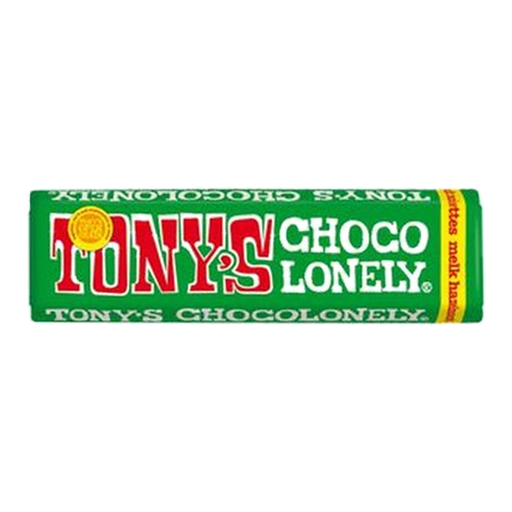 Image unavailable
Worth considering if you’d like a hazelnut bar for your break. At 47 g per bar, it may be larger than you’d expect if you’re looking for a small portion. Check the ingredients and allergen information on the packaging you buy.
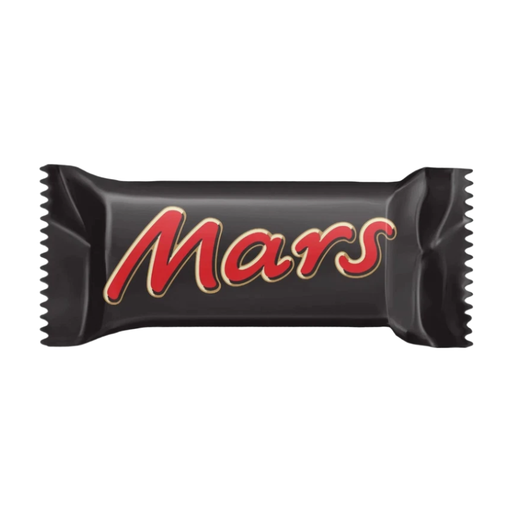 Image unavailable
Worth considering if you’re after an individual caramel bar coated in milk chocolate. Each bar weighs 51 g. To compare its recipe with another, check the sugars per 100 g and the allergens on the packaging.
 Image unavailable
Worth considering if you’d like a pack of three milk chocolate bars. Each bar weighs 50 g. If you plan to take just one with you, check how the bars are individually packaged, then read the ingredients and allergen information for the product being sold.
No. A solid chocolate bar doesn’t fall within the scope of the drinks and liquid preparations for drinks covered by Article 1613 ter of the French General Tax Code, published by Légifrance. To compare bars, check their portion sizes and ‘of which sugars’ figures instead.
No. Santé publique France says that producers display the Nutri-Score on a voluntary basis. The DGCCRF states that the prepacked foods covered by the rules must carry a nutrition declaration. So you can compare nutritional information without assuming that a missing score tells you anything.
First, compare the ‘of which sugars’ figure per 100 g on each nutrition declaration to assess the recipes on the same basis. To work out the amount in a whole bar, multiply this figure by the bar’s weight in grams, then divide by 100.
Check the ingredients for the product you’re buying, particularly for milk and nuts. Other ingredients, such as soya or certain cereals, vary by recipe. The European Commission explains that allergens used as ingredients must be clearly labelled. Also read any precautionary statements on the packaging.