If you fancy a treat around marathon time, choose a milk chocolate bar based on when you plan to eat it and what portion suits you. If you’re thinking of having one during the race, don’t rely on it as your sole source of fuel just because it contains sugar. Check the carbohydrates per bar, the ingredients and how easy it is to eat, then try it during training.
Who are these bars for?
Runners who plan their fuelling
If you’re thinking of eating a bar during a marathon, check the grams of carbohydrate per serving rather than just its weight. You should also try your fuelling strategy during training, as recommended by the International Olympic Committee for endurance events.
Runners looking for a snack to take with them
For a snack before a run or after you finish, the weight of each bar and its packaging matter more than any claim about it being “fuel”. A multipack contains several portions, but check whether each bar is individually wrapped if you only want to take one with you.
Shoppers who check for allergens
Wafers, hazelnuts and fillings all affect which ingredients you need to check. Read the ingredients list and allergen information for the exact variety you’re buying: another bar from the same brand may have a different recipe.
What should you check before choosing?
First decide whether the bar is for a treat or whether you’re thinking of including it in a fuelling plan you’ve already tried. In the latter case, the weight of the bar doesn’t tell you how many carbohydrates it provides.
| What matters |
What to check |
Who this is for |
| Carbohydrates during exercise |
Check the carbohydrates per bar. If the label gives the figures per 100 g, use the weight of the bar to work out the amount in your portion too. |
If I plan to eat during the race, I want to be able to include the portion in a fuelling plan I’ve already tried during training. Around 50% of shoppers put this need to plan their carbohydrate intake first. |
| Portion size and portability |
Check the weight of each bar and its packaging, especially when buying a multipack. |
For a snack before or after exercise, I prefer to know how much I’m taking with me without opening the whole pack. Around 30% of shoppers prioritise a portion that’s easy to take along. |
| Ingredients and allergens |
Read the ingredients list and allergen information for the product you’ve chosen, including any warnings about possible traces. |
If there are ingredients I need to avoid, the exact recipe determines my choice, whatever the bar’s size. Around 20% of shoppers prioritise this compatibility. |
Mistakes to avoid
-
Taking “marathon fuel” to mean it’s a complete fuelling option
A chocolate bar may contain carbohydrates, but its format or name won’t tell you how much you get per serving or whether it will be easy to eat during exercise. The International Olympic Committee recommends developing your fuelling strategy during training.
Use the nutritional information and the bar’s weight to work out its carbohydrate content, then try it on a long run before considering taking it with you on race day.
-
Assuming every bar must display a Nutri-Score
In France, Santé publique France describes Nutri-Score as voluntary information that complements the nutrition declaration. Whether or not it appears on the pack doesn’t tell you if a bar suits your fuelling approach.
Check the portion size, carbohydrates, fat and ingredients of the product you’re buying. If a Nutri-Score is shown, treat it as additional information.
-
Relying on allergen information for another bar from the same brand
KitKat France lists wheat and milk in its milk chocolate wafer bar. Carrefour France also lists a Côte d’Or milk chocolate and hazelnut bar, as well as a Milka caramel and peanut variety: the ingredients differ from one recipe to another.
Check the label for the exact variety and format you’re buying, even if you already know the range.
Brands to know
KitKat (Nestlé)
KitKat France describes its classic bar as a wafer coated in milk chocolate; the range also includes other formats.
- The wafer gives it a different texture from a solid chocolate bar.
- The classic bar contains wheat and milk. Check the carbohydrates per portion and try the texture during training if you’re thinking of eating it while exercising.
Lindt
Lindt France offers several milk chocolates in small formats or with fillings; their recipes aren’t interchangeable.
- A small format lets you choose a portion without opening a large bar.
- For the Lindor Milk bar reviewed, Lindt France gives figures of 45 g of carbohydrates and 45 g of fat per 100 g. These figures apply to this bar, not every bar from the brand.
Côte d’Or
Carrefour France lists, among other products, a 45 g Côte d’Or milk chocolate and hazelnut bar.
- The stated weight makes it easy to identify the portion you’re buying.
- This product contains hazelnuts, so it isn’t suitable for anyone who needs to avoid them.
Milka
Carrefour France lists, among other products, a box of 4 × 32 g Milka bars, as well as varieties with different recipes.
- The weight per bar helps you compare a portion with one in another format.
- Varieties with biscuit, caramel or peanuts mean you’ll need to check the ingredients and allergens again.
Carrefour
Carrefour France lists milk chocolate bars under its own brand in packs of 10 × 21 g.
- The weight per bar distinguishes this smaller format from larger bars.
- The size alone doesn’t tell you how many carbohydrates are in each bar or whether it’s suitable for fuelling during a race.
Bars to consider on Joybuy
These options include an individual bar and multipacks of milk chocolate bars or wafers. Compare the portion size and ingredients if you’re looking for a snack around your exercise. If you’re thinking of having one during a race, check the carbohydrates separately and try it during training.
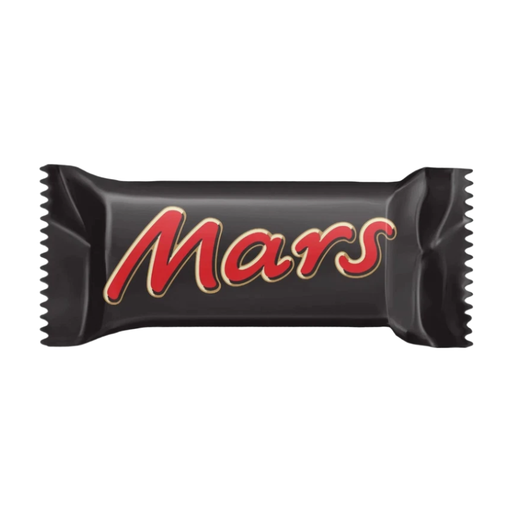 Image unavailable
Mars milk chocolate and caramel bar, 51 g
This single bar is a handy option if you want to take a defined portion for a treat.
The recipe combines caramel and nougat. Carbohydrates are listed per 100 g, so use the 51 g weight to work out the amount in your portion. The product information lists milk, soya, barley and egg, and warns that it may contain traces of peanuts and tree nuts.
View on Joybuy
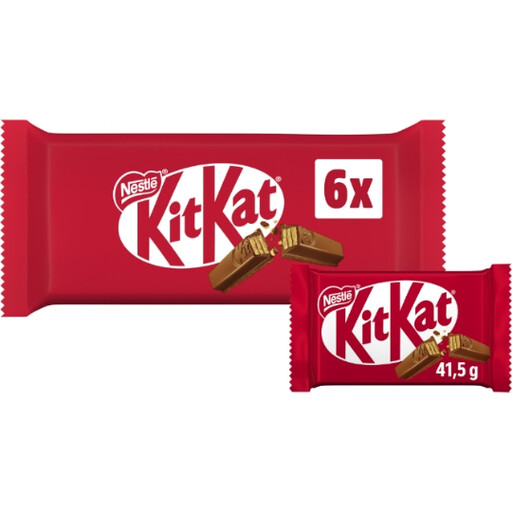 Image unavailable
KitKat milk chocolate, 6 × 41.5 g
This pack of wafer bars lets you choose a 41.5 g portion for a snack.
The nutrition information gives the carbohydrate figures per 100 g; use the weight of each bar to work out the amount in one. The recipe contains wheat and milk. If you plan to carry the bars separately, check how they’re packaged before buying.
View on Joybuy
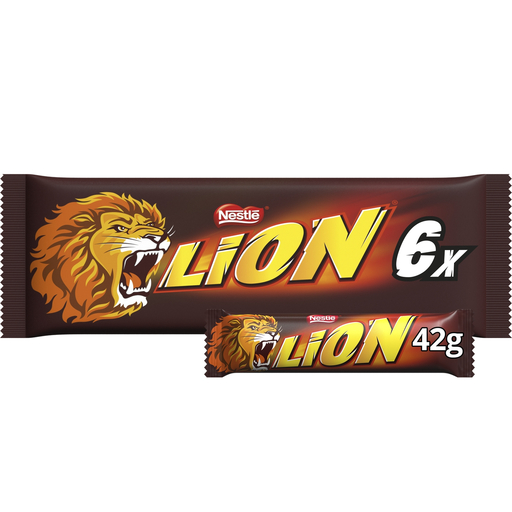 Image unavailable
Lion milk chocolate, 6 × 42 g
This pack may suit shoppers who want to know the carbohydrate content of each bar before choosing a portion.
The product information gives 28.2 g of carbohydrates per 42 g serving. It describes crunchy wheat cereals and caramel, lists wheat and milk among the ingredients, and warns that it may contain traces of peanuts, tree nuts and soya. Check whether the bars are individually wrapped if you want to take them separately.
View on Joybuy
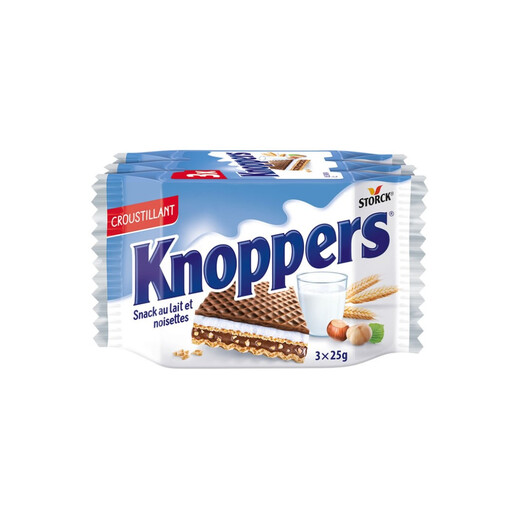 Image unavailable
Knoppers milk and hazelnut, 3 × 25 g
The 25 g portions may suit anyone looking for a small wafer bar for a snack.
Carbohydrates are listed per 100 g, so take the weight of each bar into account when working out your portion. The recipe contains hazelnuts, peanuts, wheat, milk and soya, among other ingredients. Check whether the bars are individually wrapped if that matters for taking them with you.
View on Joybuy
 Image unavailable
Toblerone milk chocolate, 3 × 50 g
This pack contains 50 g bars, making it easy to see the weight of each treat portion.
The recipe combines milk chocolate and almond nougat; it contains milk, almonds and egg. Carbohydrates are listed per 100 g rather than per bar. If you want to take just one with you, check its packaging too.
View on Joybuy
Frequently asked questions
Is one milk chocolate bar enough to fuel a marathon?
Don’t assume that one bar will be enough. The amount of carbohydrates depends on the product and portion size, so check the nutrition information. Include any food you plan to eat during the race in a strategy you’ve tried during training, in line with the approach recommended by the International Olympic Committee.
Which allergens should you check in a chocolate bar?
Check the information for the exact product, including any warnings about possible traces. KitKat France lists wheat and milk in its classic milk chocolate bar; Carrefour France lists a Côte d’Or milk chocolate and hazelnut bar. Don’t assume this information applies to another variety.
Is Nutri-Score compulsory on these bars in France?
No. According to Santé publique France, Nutri-Score is voluntary information that can complement the nutrition declaration. If you’re considering a bar for around marathon time, seeing the logo doesn’t replace checking the portion size, carbohydrates and ingredients.
Does the “soft drinks levy” apply to a milk chocolate bar?
No. The French Ministry of the Economy describes this levy as applying to drinks, not solid milk chocolate bars. To compare two bars, check their labels and portion weights instead.


