Festival-goers on the move
If you want to eat without a plate or sharing, choose an individually wrapped bar. If you’d like to save some for later, check whether it’s easy to break into pieces and how to protect the rest.


For a solo snack at a camping festival, start by choosing a bar with a format and wrapper that are easy to carry and eat without utensils. A chocolate-coated wafer bar can satisfy a craving for something crunchy and may be easy to break into pieces. A filled bar, on the other hand, is all about its filling, so it’s especially important to check the ingredients and allergens. Compare the portion you’ll eat, the sugar content and the storage instructions on the exact product packaging, particularly if the bar might be left somewhere warm.
If you want to eat without a plate or sharing, choose an individually wrapped bar. If you’d like to save some for later, check whether it’s easy to break into pieces and how to protect the rest.
The weight of a bar and the portion size shown on the label don’t always tell you the same thing. Compare the nutritional values per 100 g, then check the figures for the amount you plan to eat.
A recipe containing wafer, cereals or nuts calls for a careful look at the ingredients and any ‘may contain’ statements. Check the exact pack before you buy, even if you already know the brand.
For a bar to enjoy on your own at the festival, first check the portion size and how easy it is to carry. Then compare the ingredients and nutritional information for the formats that suit you.
| What to check | Look for | Who is it for? |
|---|---|---|
| Individual format | Check the weight of each bar, how many bars are in the pack and whether the one you’re taking can be broken into pieces. | If I’m eating while walking or between activities, I want a portion that’s easy to take out of my bag and eat on my own. Around 33% of consumers prioritise this convenience. |
| Portion size and nutritional values | Compare the sugar and energy content per 100 g, then work out how they relate to the portion you’ll actually eat. If the pack displays a Nutri-Score, use it as an additional guide. | For my break, I want to know what the whole bar contains rather than judging by its size alone. Portion size and ingredients come ahead of other criteria for around 42% of consumers. |
| Ingredients and allergens | Read the ingredients list and allergen information, including any ‘may contain’ statements, on the packaging for the recipe you’ve chosen. | If I need to avoid an ingredient, the filling or wafer will affect my choice. Around 25% of consumers put the suitability of a recipe for their dietary needs first. |
Heat is another factor to check: read the storage instructions for each bar before leaving it in a bag or tent. Lindt says high temperatures can affect the quality of chocolate during transport.
In France, Santé publique France says that displaying the Nutri-Score is voluntary. If it isn’t shown, you still need to check the portion size, sugar content, ingredients and allergens.
If two comparable products display a score, use it as one guide among others. In every case, read the nutritional information for the exact bar you’re buying.
Levies on non-alcoholic drinks, as outlined by France’s Ministry of the Economy, aren’t a rule for choosing a milk chocolate bar.
When comparing bars, look instead at their weight, ingredients and nutritional values.
A wafer bar or filled recipe may contain different ingredients and ‘may contain’ warnings from another bar made by the same brand.
Check the ingredients and allergen information on the pack you’re buying. The KitKat France product page lists wheat and milk for its Milk Chocolate bar; this doesn’t describe every KitKat recipe.
Heat can melt or affect the quality of chocolate. Storage instructions can also vary depending on the filling.
Keep bars in the shade and check the date and storage instructions printed on the packaging.
These examples highlight differences in format and recipe; they don’t represent every product from each brand.
The collaborative Open Food Facts listing describes Milka LU as a 35 g bar combining milk chocolate and biscuit.
Lindt France offers, among other things, a milk chocolate bar and a 40 g Dubai Style bar filled with pistachio and kadaif.
KitKat France describes its Milk Chocolate bar as a chocolate-coated wafer bar that breaks in two.
These products are suited to an individual milk chocolate break: some are sold as single bars, while others come in packs of individually portioned bars. Recipes containing wafer, caramel, cereals or almonds shouldn’t be confused with plain milk chocolate.
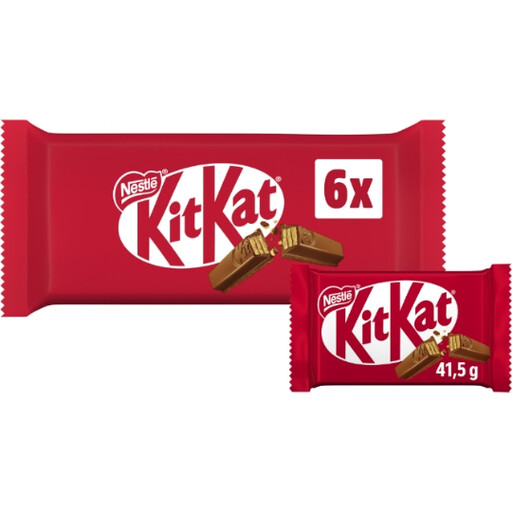 Image unavailable
This pack lets you take one bar at a time for a break at the festival. Each bar weighs 41.5 g. Check the recipe, allergens and storage instructions on the pack before putting one in your bag.
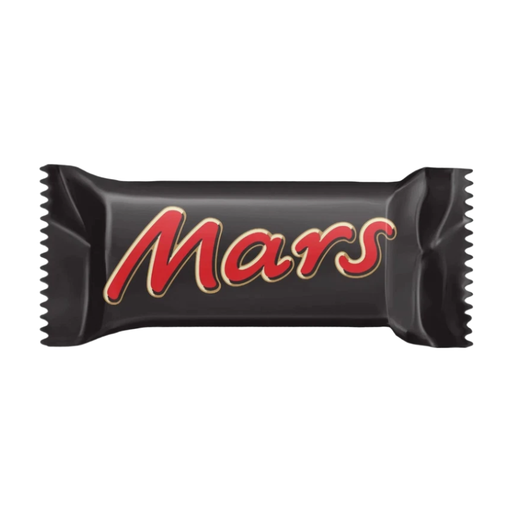 Image unavailable
This individual bar is a good option if you’re after a caramel recipe rather than plain milk chocolate. It weighs 51 g; check the packaging for allergens, the sugar content per bar and storage instructions.
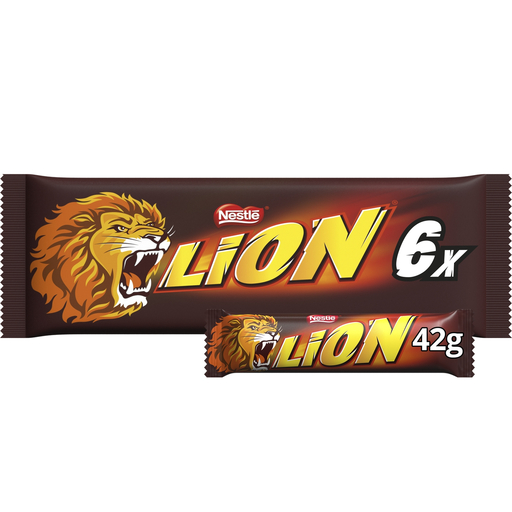 Image unavailable
This pack contains six separate 42 g bars, so you can take one at a time for a break. If you’re comparing this recipe with plain milk chocolate, bear in mind that it contains other ingredients and check the allergens on the pack.
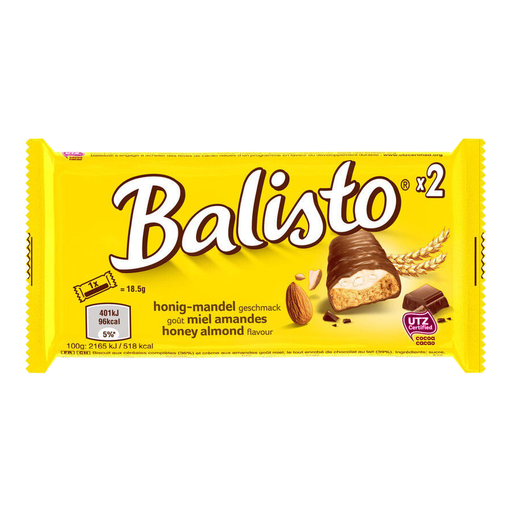 Image unavailable
This 37 g bar may appeal if you’re looking for a honey and almond recipe in a portable portion. If nuts or cereals affect your choice, check the ingredients and allergen information on the packaging.
 Image unavailable
This pack lets you take a 50 g milk chocolate bar for a solo snack. Before you set off, check that the recipe and its allergens are suitable for you, and read the storage instructions if you plan to keep a bar once it’s been opened.
No. The levies on non-alcoholic drinks mentioned by France’s Ministry of the Economy don’t apply to a milk chocolate bar on that basis. To choose between two bars, compare their portion sizes and nutritional information instead.
No. Santé publique France says that displaying the Nutri-Score is voluntary in France and complements the mandatory nutrition declaration. Whether or not it appears on the pack, read the nutritional values and ingredients for the product you’ve chosen.
Check the information on the packaging for the exact bar, including any ‘may contain’ statements. KitKat France lists wheat and milk for its Milk Chocolate bar; Lindt says that information about nuts should be checked for each product individually.
Keep it in the shade and don’t leave it in a tent or vehicle that’s overheated. Lindt says high temperatures can affect the quality of chocolate during transport; also follow the storage instructions for the bar you’ve bought.
Values per 100 g help you compare recipes of different weights, while values per portion show what you’ll get from the amount you plan to eat. For a specific example, KitKat France lists 19.0 g of sugar per 41.5 g portion of its Milk Chocolate bar.