Anyone buying a bar for a solo treat
The weight of each bar, its texture and its nutritional values per serving matter if you want to take one bar with you rather than a pack to share.


For a solo treat at your local market, choose a bar whose weight and packaging suit the way you plan to enjoy it. Then compare the nutritional information per 100 g and check the ingredients. A hazelnut bar or chocolate-coated wafer has different ingredients from a plain milk chocolate bar, so check the allergens on the packaging. Use the Nutri-Score only as an additional guide when it’s displayed.
The weight of each bar, its texture and its nutritional values per serving matter if you want to take one bar with you rather than a pack to share.
Comparing sugars, fat, salt and energy per 100 g lets you assess bars of different weights on the same basis before checking the serving size.
The ingredients list and allergen information are essential if you need to avoid milk, certain nuts, soya, wheat or peanuts.
When choosing an individual bar in France, start with what matters most to you, then check the other criteria on the product you plan to buy. According to the DGCCRF, the nutritional declaration for prepacked foods is given per 100 g to make comparisons easier; the Nutri-Score is voluntary.
| Criteria | What to check | Who is it for? |
|---|---|---|
| Nutritional values | Compare sugars, fat and energy per 100 g, then take the bar’s weight into account. If the packaging displays a Nutri-Score, it doesn’t replace these values. | When choosing between two bars of different weights, the information on the label matters more than the logo on the front alone; around 40% of consumers put nutritional comparisons first. |
| Ingredients and allergens | Read the ingredients, highlighted allergens and any ‘may contain’ statements for the product you’re considering. | If you need to avoid an ingredient, the exact recipe matters, even for a small bar; around 30% of consumers prioritise checking for allergens. |
| Format and texture | Check the weight of each bar, the number of bars and how they’re packaged, as well as whether they contain hazelnuts or wafer. | If you want to take one serving with you, a separately wrapped bar serves a different purpose from a pack you have to open; around 30% of consumers prioritise format and texture. |
In France, displaying it is voluntary, as the Ministry of the Economy explains. If it’s not shown, you still need to read the relevant nutritional information. And if it is shown, it won’t tell you the bar’s size or its allergens on its own.
Compare the values per 100 g, then check the bar’s weight and ingredients list. Use the Nutri-Score as an additional guide when it’s displayed.
The hazelnut bar and wafer products featured by Carrefour France contain ingredients other than milk chocolate. So the product name alone won’t tell you all the allergens in a particular variety.
Check the ingredients and allergen information on the packaging of the product you buy, especially if you choose a different filling or texture.
These examples showcase different recipes, but don’t necessarily represent other products from each brand or guarantee their availability from any particular retailer.
Carrefour France lists a 45 g milk chocolate and hazelnut bar.
Carrefour France also features a 33 g Nuxor milk chocolate and hazelnut bar, another example of a nut-containing serving.
A Carrefour France listing features a 30 g milk chocolate and puffed rice bar, which is different from a plain milk chocolate bar.
The product featured by Carrefour France is a chilled dessert with sponge cake and milk mousse, coated in milk chocolate.
This selection includes a caramel bar, a milk chocolate and hazelnut bar, multi-bar packs and bars with additional ingredients. For a treat at your local market, distinguish the stated pack weight from the weight of each serving. If it matters to you, check whether the bars are individually wrapped.
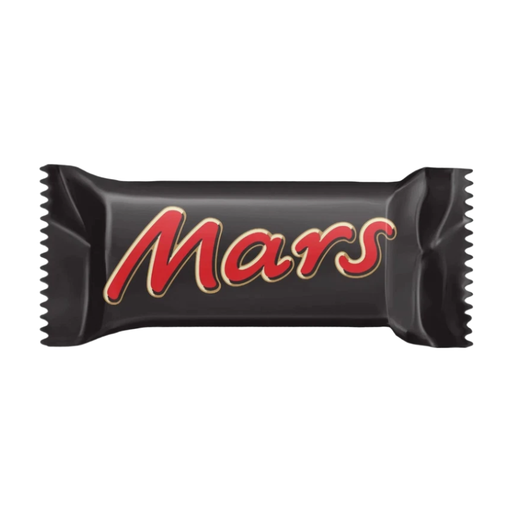 Image unavailable
This 51 g bar is a handy option for a treat on your own. If you’re comparing its sugar content with another bar, use the values per 100 g. Also check the ingredients list and allergens on the packaging.
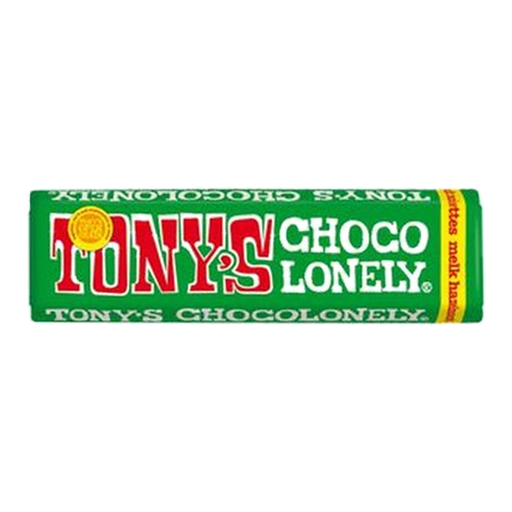 Image unavailable
This 47 g bar is for anyone looking for a hazelnut treat. Check the ingredients and allergen information for this variety before choosing it.
 Image unavailable
This pack contains three 50 g bars rather than one 150 g bar. If you want to pop one in your bag, check before buying that each bar is individually wrapped. Also check the recipe’s allergen information.
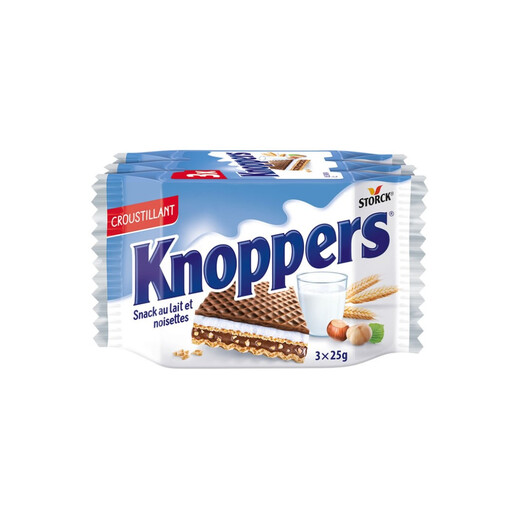 Image unavailable
This multi-piece format combines milk chocolate, wafer and hazelnut in 25 g bars. If you want to take just one with you, check how each bar is packaged. Check the ingredients list too if you need to avoid any allergens.
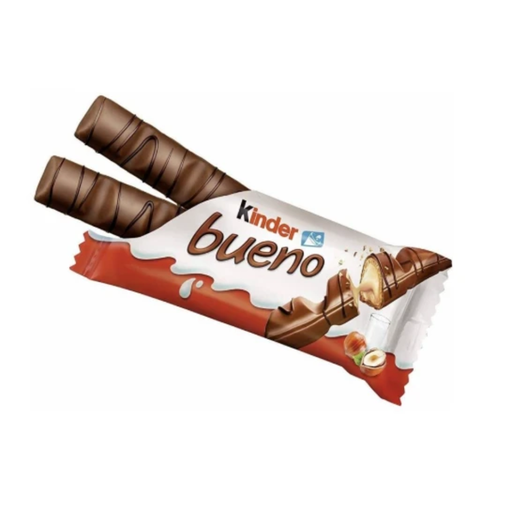 Image unavailable
This product combines milk chocolate, wafer and hazelnut. If you’re looking for a single-serve treat, check how many pieces are in the 44 g pack and how they’re wrapped. The stated 21.5 g serving size doesn’t answer those questions on its own.
No. In France, displaying it is voluntary, according to the Ministry of the Economy. For a prepacked food that requires a nutritional declaration, check the values per 100 g even if there’s no Nutri-Score.
Start with their nutritional values per 100 g, the comparison basis specified by the DGCCRF. Then check the weight of each bar and any values per serving to understand what you’ll get from the bar you eat.
Not necessarily: recipes vary from one product to another. The milk chocolate and hazelnut bars featured by Carrefour France include hazelnuts, milk and soya, among other ingredients. Always check the ingredients and allergen information on the packaging you buy.
It can be, if each bar is the weight you want and the packaging suits your needs. If a pack doesn’t specify whether the bars are individually wrapped, check the product before buying rather than assuming from the stated number of bars.