Hosts who want to serve portions easily
You want to allow for one bar per person without having to cut anything up. However, check that each piece is individually wrapped if you plan to put them out or hand them out as they are.


For a sweet treat that needs no cutting, first choose a suitable number of portions for your guests, then decide on the texture you’re after: milk chocolate and hazelnuts, or a confectionery bar with wafer or biscuit. Before handing out the bars, check the ingredients, allergens and nutritional information for each product; the same brand name doesn’t guarantee the same recipe in every format.
A bar can save you having to cut up a slab at the end of drinks, as long as you distinguish the weight of each portion from the pack size.
You want to allow for one bar per person without having to cut anything up. However, check that each piece is individually wrapped if you plan to put them out or hand them out as they are.
You’re after the crunch of hazelnuts rather than wafer. The Côte d’Or and Lindt Noccio products described by Carrefour France and Lindt France respectively illustrate this choice of texture, with different recipes and weights.
You need to know about your guests’ dietary requirements before offering a selection of bars. Depending on the product, the ingredients may include milk, hazelnuts, soya or wheat, for example. Keep the wrappers so everyone can check the label.
For drinks with friends, start with how you’ll serve the portions and the texture you’re looking for, then check the ingredients of the product you’re actually planning to serve.
| Criteria | What to check | Who is it for ? |
|---|---|---|
| Portions and serving | Check the weight per bar, the number of pieces and whether they’re individually wrapped: a multipack doesn’t, by itself, confirm that each piece is individually packaged. | If I want to give every guest a portion without cutting up a slab, packaging is the first thing to consider. Around 45 % of consumers prioritise ease of serving. |
| Texture | Distinguish a milk chocolate and hazelnut bar from a confectionery bar containing wafer or biscuit. Check the product description and ingredients. | To finish drinks with a particular texture, I’d choose hazelnuts or the crunch of a wafer, depending on the group’s preferences. Around 33 % of consumers prioritise texture. |
| Ingredients and labelling | Read the ingredients, allergen information and ‘may contain’ statements. To compare sugars, start with the values per 100 g, then check the portion weight. | When guests have allergies or want to check the nutritional information, I need to be able to show them the label on the bar being served. Around 22 % of consumers put this check first. |
The Carrefour France product pages for the Côte d’Or and Lindt Noccio products reviewed mention hazelnuts, milk and soya, among other ingredients. Their ingredients don’t mean they’re suitable for everyone in your group.
Ask your guests about any dietary requirements and keep the wrapper for the version you’re serving to hand. If you’re unsure whether it’s suitable, plan another treat for anyone who needs one.
The KitKat and Milka Nussini products described by Carrefour France contain wafer. Their texture and ingredients differ from those of a bar made primarily from milk chocolate and hazelnuts.
Read the product description and ingredients to choose the texture you want, rather than relying on the words ‘milk chocolate’ alone.
Santé publique France states that displaying it is voluntary. Even when it appears on a wrapper, it doesn’t tell you about allergens or the weight of the bar on its own.
If it’s displayed, use it as a guide when comparing similar products, then check the ingredients and nutritional values for the specific product.
The French Ministry of the Economy describes this contribution as applying to sugary drinks. It’s therefore not a relevant comparison criterion for these bars.
When choosing a chocolate portion, look instead at its weight and the ‘sugars’ line in the nutritional information.
These examples relate to specific products, not every product from each brand. When serving a group, the recipe and allergen information for the chosen variety are what matter.
Carrefour France describes a 45 g milk chocolate and hazelnut bar, individually wrapped.
Lindt France lists, among others, Noccio Milk Hazelnut bars at 35 g and Nuxor Milk Hazelnut bars at 33 g.
Carrefour France describes, among others, a pack of six 41.5 g bars combining wafer and milk chocolate.
Carrefour France describes Milka Nussini as a pack of five chocolate-coated wafers, each weighing 31 g.
These products offer a range of textures to serve after drinks: wafer, milk chocolate and hazelnuts, or a chocolate bar with caramel. If you want to hand them out individually wrapped, check the packaging of each piece.
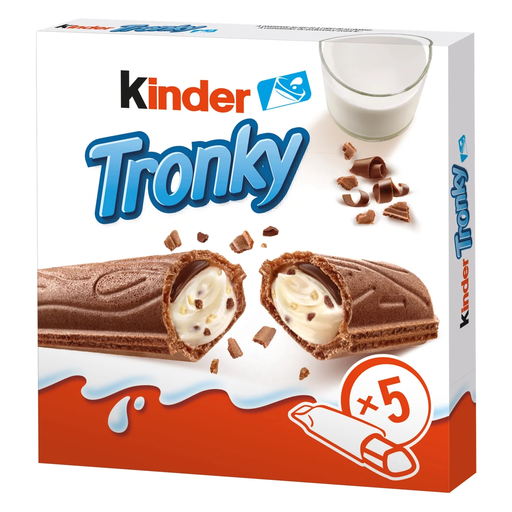 Image unavailable
Worth considering if you’d like to serve a wafer-based confectionery bar rather than a plain chocolate bar. The stated pack size is 90 g; check the wrapper for the number of pieces, how they’re packaged and the allergen information before serving.
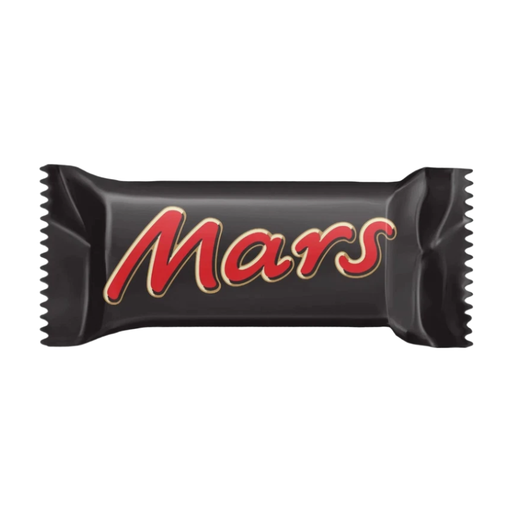 Image unavailable
An option to consider if you prefer a caramel bar to hazelnut or wafer recipes. The title states that it’s a 51 g bar; check the wrapper and ingredients before offering it to your guests.
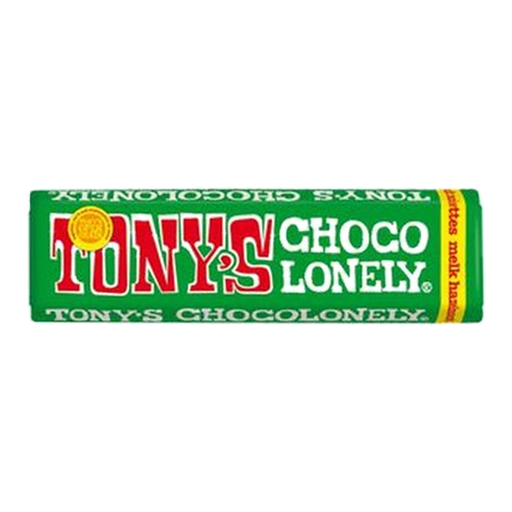 Image unavailable
Worth a look if you’re after milk chocolate and hazelnuts rather than wafer. The bar weighs 47 g; make sure its ingredients are suitable for your guests and check how it’s packaged if you plan to hand it out without unwrapping it.
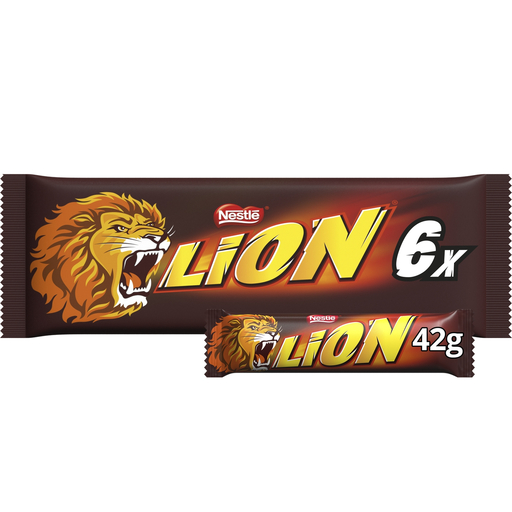 Image unavailable
This multipack gives you six bars for the group, each weighing 42 g. Before putting them out for your guests, check how each piece is packaged, as well as the ingredients and allergen information.
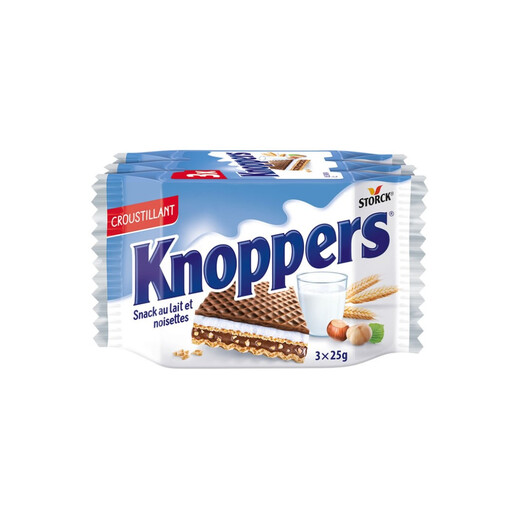 Image unavailable
The three 25 g portions could work well if you’re looking for smaller pieces for several guests. Check whether they’re individually wrapped and read the ingredients before serving.
No. The French Ministry of the Economy describes this contribution as applying to sugary drinks, not chocolate bars. To compare chocolate bars, look instead at the portion weight and nutritional information.
No: Santé publique France says that displaying it is voluntary. If it appears on a bar, you can use it to compare similar products, but it doesn’t replace checking the ingredients, allergen information and nutritional values.
Because the other ingredients vary from one recipe to another. The Côte d’Or and Lindt Noccio products reviewed list hazelnuts and soya, among other ingredients, while the KitKat products reviewed contain wheat and milk. Read the information for the variety you’ve bought, including any ‘may contain’ statements.
First compare the ‘sugars’ value per 100 g, then check the weight of each bar or the values per portion. This helps you tell the difference between a change in ingredients and a simple difference in size.