For a ready-portioned treat
If you want a single treat after drinks without opening a whole block, start by checking the bar’s weight and the number of bars in the pack. Then check the allergens in the recipe you’ve chosen.


For a sweet treat to enjoy on its own after an evening of charcuterie, a 25 g bar gives you a set portion; a block of around 100 g lets you take a few squares and save the rest. Your choice also depends on the recipe: compare the nutritional information per 100 g, and check the ingredients and allergen information, particularly if the chocolate contains hazelnuts or other inclusions. Whether it goes well with saucisson comes down to personal taste; it is not an established property of the chocolate.
If you want a single treat after drinks without opening a whole block, start by checking the bar’s weight and the number of bars in the pack. Then check the allergens in the recipe you’ve chosen.
If you’d rather decide how much to eat when the time comes, a block lets you save the rest for later. Compare the ingredients and nutritional values of the recipes you’re interested in.
Hazelnuts, raisins, caramel or biscuit will affect which recipe you’re looking for. Read the ingredients list and allergen information rather than relying on the words ‘milk chocolate’ alone.
For a sweet treat separate from the charcuterie, first decide between a set portion and a block you can break into squares. Then compare the labels of the recipes you’re considering.
| Criterion | What to check | Who is it for? |
|---|---|---|
| Portion size and storage | Weight per unit and number of units; how to store the rest if you open a block. | If I want just one sweet treat after drinks, I’d rather know how much I’m opening than start on a whole block. Around 42% of consumers prioritise a ready-portioned treat. |
| Nutritional values | Sugars, energy, saturated fat and salt per 100 g, followed by the amount you plan to eat. | To choose between two recipes, I want to compare their values on the same basis before deciding how much suits me. Comparing nutritional information is the main priority for around 33% of consumers. |
| Texture and allergens | Inclusions listed in the ingredients, highlighted allergens and ‘may contain’ statements. | If I’m looking for a crunchier texture or something different, I also need to check the allergens in that specific recipe. Choosing by texture while checking allergens comes first for around 25% of consumers. |
According to the DGCCRF, displaying the Nutri-Score is voluntary in France. The nutrition declaration on pre-packed food lets you compare values per 100 g, subject to applicable exceptions.
Check sugars, energy, saturated fat and salt, then take into account how much you plan to eat.
The words ‘milk chocolate’ alone don’t tell you whether it contains soya or hazelnuts, or whether traces may be present. Anses notes that allergens must be highlighted in the ingredients list.
If you have an allergy or need to avoid an ingredient, read the full list and the statements on the packaging of the product you receive.
A small bar, a plain block and a praline recipe won’t necessarily have the same weight or ingredients. A value given per 100 g doesn’t, by itself, tell you how much you’ll eat.
First check the pack size and recipe, then use the values per 100 g as a common basis for comparison.
A 25 g milk chocolate bar is one example of an individually portioned format.
The range includes a plain milk chocolate block and a hazelnut recipe.
The Raisins et Noisettes block combines milk chocolate, nuts and raisins.
Les Recettes de l’Atelier includes milk chocolates with a range of inclusions and fillings.
Carrefour Classic’ and Carrefour Bio products have different compositions, so check each one separately.
The milk chocolate blocks mentioned include a plain recipe and a whole hazelnut variety.
This selection includes small individually wrapped treats, a display box of bars and 100 g chocolates that you can break into squares. If you want just one treat after drinks, pay particular attention to the pack size before choosing.
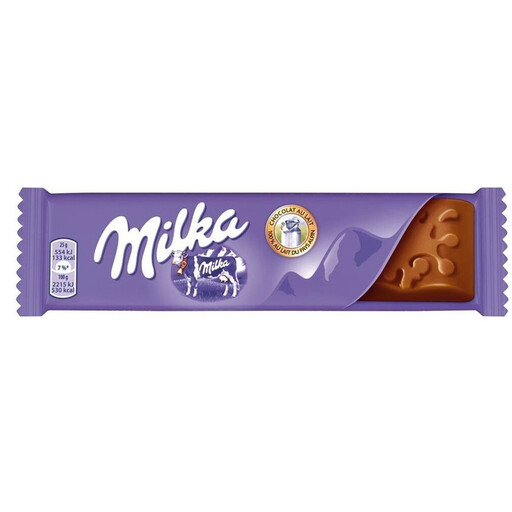 Image unavailable
Worth considering if you’d rather open a 25 g portion than a whole block. This recipe contains milk, soya and hazelnuts; traces of other nuts and wheat are also mentioned. Check the label on the product you receive if you need to avoid these ingredients.
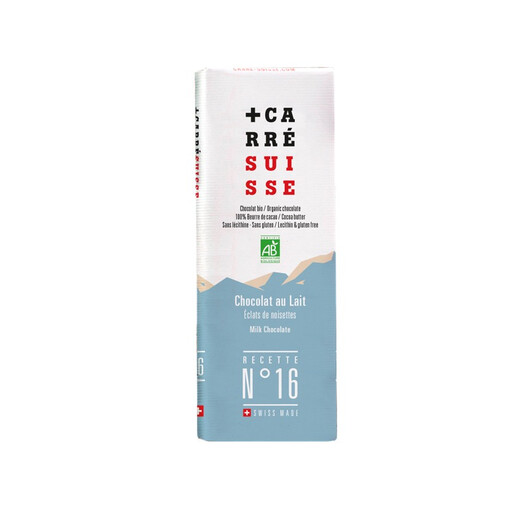 Image unavailable
The 40 g format may suit anyone looking for a small amount of chocolate with hazelnuts; the product listing states that it contains 14% hazelnuts. Check how many units are included before buying. The recipe lists milk, soya and hazelnuts, and may contain traces of gluten, peanuts and other nuts.
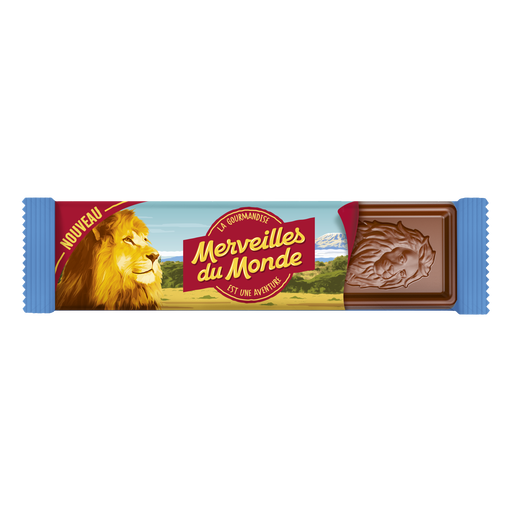 Image unavailable
Each bar is individually wrapped, but the offer described is for a display box of 24, not a single treat. The recipe lists 8% hazelnuts and 8% chopped almonds; it also contains milk. Check that this multipack suits your needs.
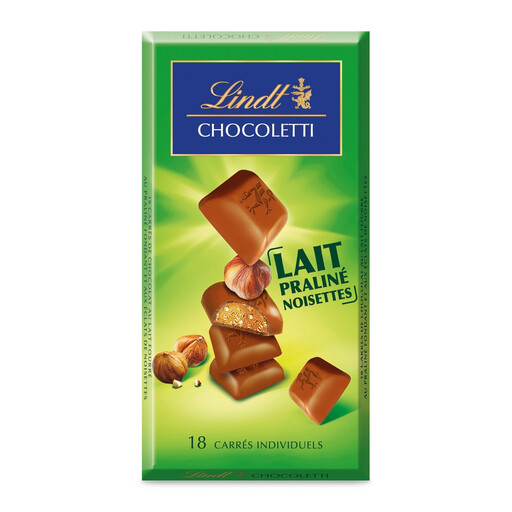 Image unavailable
The square format lets you have some and save the rest, but it doesn’t make the whole pack a small portion. The product listing describes 20% hazelnut praline and pieces of hazelnut. It lists hazelnuts, almonds, milk, soya and barley among its ingredients; check the full information on the packaging.
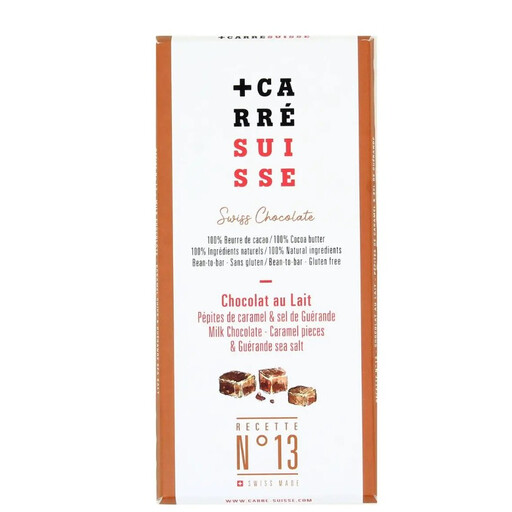 Image unavailable
Worth considering if you’d like to break off some caramel milk chocolate rather than open a small bar. The product listing states that this 100 g format contains 10% caramel fudge and 0.45% Guérande salt. It lists milk and may contain traces of nuts; check the label if you need to avoid them.
No. The provisions cited by Légifrance and the Official Bulletin of Public Finances apply to drinks and liquid preparations for drinks, not solid chocolate bars or blocks. The fact that this chocolate contains sugar isn’t enough to bring it within the scope of the levy.
No. The DGCCRF describes the Nutri-Score as a voluntary label. To compare pre-packed chocolate, check the nutrition declaration, particularly the values per 100 g, as well as the ingredients list.
Read the full ingredients list and any statements about possible allergen presence on the packaging of the exact product. Anses states that allergens must be highlighted in the ingredients list; the name or picture of a milk chocolate product isn’t enough to establish what it contains.