For a solo treat
If you want milk chocolate to enjoy on your own on 14 July, consider whether you’d prefer a small bar or a whole 100 g bar to break into pieces. Net weight is a more useful guide than simply seeing the words ‘individual size’.


For a solo treat on 14 July, choose a small bar if you want a compact option. A 100 g bar is better if you plan to break some off and save the rest. Then compare the recipe, sugars per 100 g and allergens: a whole bar isn’t necessarily a single portion.
If you want milk chocolate to enjoy on your own on 14 July, consider whether you’d prefer a small bar or a whole 100 g bar to break into pieces. Net weight is a more useful guide than simply seeing the words ‘individual size’.
If sugars, ingredients or allergens matter to you, check the information for the specific recipe. As France’s DGCCRF points out, nutritional values per 100 g make it possible to compare products of different weights.
Plain milk chocolate, organic, hazelnut or with another inclusion: whatever flavour you’re after, check the ingredients and allergen information. A multipack of bars also suits a different need from buying chocolate for a single treat.
For a solo milk chocolate treat on 14 July, start with the size you want, then check the label and recipe.
| What to consider | What to check | Who is this for? |
|---|---|---|
| Size and portion | Check the net weight and number of bars. Pieces you break off aren’t individually wrapped portions. | For a single treat, I want to avoid opening a bigger bar than I need. Around 40% of consumers would make size their top priority. |
| Label and allergens | Compare sugars and energy per 100 g, then read the ingredients and allergen information for the recipe you’re considering. | If I need to avoid certain ingredients, I want to check the exact bar before choosing it. Around 30% of consumers would put checking the label first. |
| Recipe and pack size | Look for inclusions, the cocoa percentage if stated, and the number of bars in the pack. | I’m mainly after a plain recipe, hazelnut or another texture, without buying several bars for one occasion. Around 30% of consumers would put the recipe and pack size first. |
According to Santé publique France and the DGCCRF, displaying the Nutri-Score is voluntary in France. Its absence alone is therefore no reason to judge a bar or its compliance.
If it appears on the packaging, use it as an additional guide. Also read the nutritional values per 100 g and the ingredients list.
You can break a 100 g bar into pieces, but 100 g is the weight of the whole bar, not the amount you’ll want to eat in one sitting.
Check the net weight and choose between a smaller size and a bar you can save some of for later.
A recipe described as ‘plain’ may contain ingredients other than milk. Recipes with inclusions also call for a careful look at the label.
Check the highlighted allergens in the ingredients list and any ‘may contain’ statements on the packaging of the product you choose.
In warm weather, delivery conditions can affect the condition of the chocolate when it arrives.
Before arranging delivery for 14 July, check the delivery method offered and when you’ll be able to receive the parcel.
The L’Authentique Lait range includes a 100 g milk chocolate bar that you can break into pieces yourself.
The 100 g organic milk chocolate bar is aimed at people looking for this recipe rather than a pre-portioned serving.
The 100 g milk chocolate bar listed by E.Leclerc contains hazelnut paste.
The L’Original product shown by Carrefour France is a pack of three 100 g milk chocolate bars.
This selection includes a 40 g bar for a small treat and 100 g bars you can break into pieces, with plain recipes and options featuring inclusions. Choose your preferred size first, then check the exact recipe.
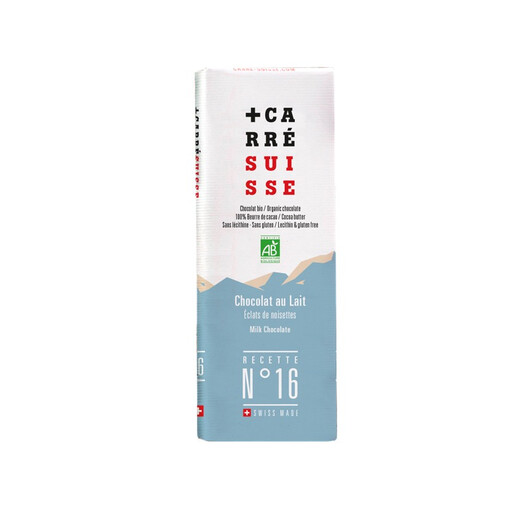 Image unavailable
This small bar may suit you if you’d like a hazelnut bar for a solo treat. If you need to avoid certain allergens, check the other ingredients and any ‘may contain’ statements on the packaging.
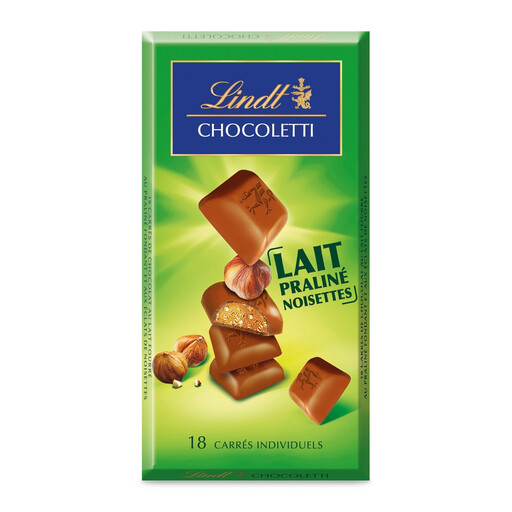 Image unavailable
This praline bar may suit you if you’re after this recipe and plan to break up a 100 g bar. Check the ingredients list and any ‘may contain’ statements to find out about allergens in the variant you choose.
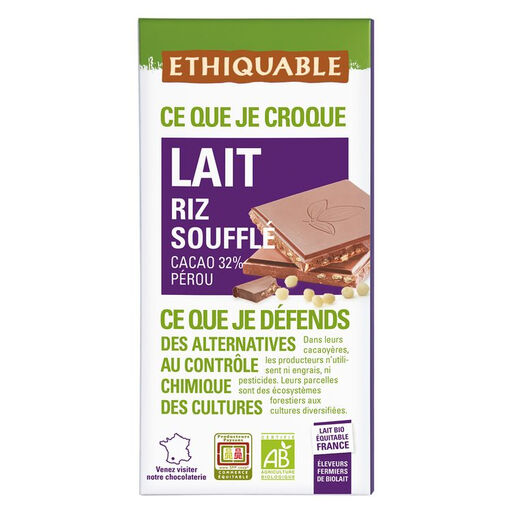 Image unavailable
This bar is for anyone who likes puffed rice in their milk chocolate and is happy with a 100 g size. If you don’t finish it after opening, check the storage instructions on the packaging.
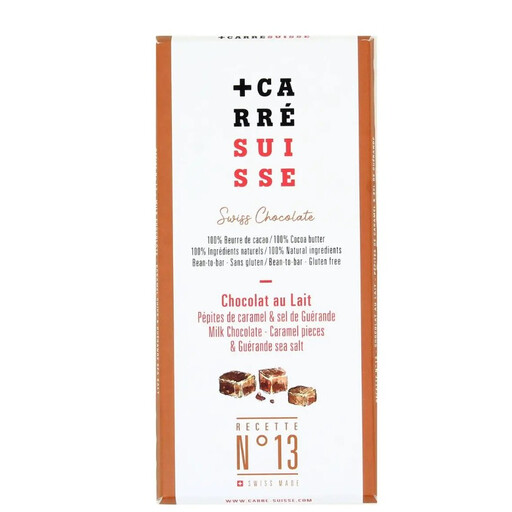 Image unavailable
This caramel and Guérande sea salt recipe is an option if you’d prefer a whole 100 g bar rather than a smaller size. Compare its ingredients and nutritional values with those of the other recipes you’re considering.
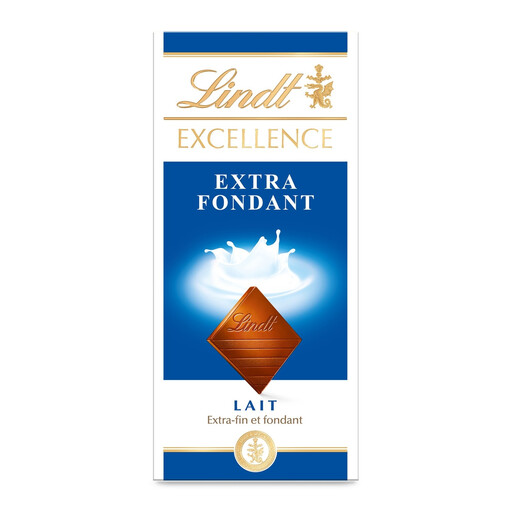 Image unavailable
This 100 g bar may suit you if you prefer a milk chocolate recipe with no inclusion mentioned in its name and want to choose how much to eat. Check the ingredients and allergens for this variant before buying.
No. The levy set out in Article 1613 ter of the General Tax Code, published by Légifrance, applies to drinks and liquid drink preparations that meet the conditions in that article, not to solid bars. Check the sugars in a chocolate bar as nutritional information, not to work out whether the tax applies.
No. According to Santé publique France and the DGCCRF, displaying it is voluntary. However, a nutrition declaration is compulsory for most prepacked foods. It includes information such as sugars, fat and energy, generally per 100 g.
Compare their nutritional values per 100 g, ingredients, allergens and net weights. A displayed Nutri-Score can add to this information, but its absence doesn’t mean you can skip comparing the recipes.
Check the delivery method offered and when you’ll be able to receive the parcel. Check the delivery arrangements with your chosen seller, especially if the chocolate may be exposed to heat.