People organising snacks and picnics
If you’re handing out chocolate to a group outdoors, the number of pieces matters as much as the total quantity. Also think about where you’ll keep the pack while travelling and before serving.


For a snack on the go, individual bites or squares are easier to share than breaking up bars while you’re out. At your accommodation, a multipack of bars could work if you can store and serve them properly. Whichever format you choose, keep the chocolate away from heat during transport and check the ingredients of the product you’ve chosen before sharing it.
If you’re handing out chocolate to a group outdoors, the number of pieces matters as much as the total quantity. Also think about where you’ll keep the pack while travelling and before serving.
For a journey or holiday rental where the chocolate may get warm, choose an amount that suits when you plan to eat it rather than a large pack you’ll need to store for several days.
Before choosing a recipe with added ingredients, check the label on the specific product. Ingredients and allergen warnings can vary from one recipe to another.
First decide where the chocolate will be transported and served, then compare the packaging and label. A higher net weight doesn’t necessarily mean it’ll be convenient to serve or easy to store properly.
| Factor | What to check | Who is this for? |
|---|---|---|
| Heat and transport | Your journey, where you’ll store it and how much you’ll eat before you can put the chocolate somewhere cool. | If the pack needs to come along on a summer outing, I want to stop it going soft before snack time. Around 42% of consumers put keeping chocolate in good condition during transport first. |
| Serving and format | The number of pieces or bars, the net weight and whether you can reseal the packaging. | If I’m serving several people without breaking up a bar while we’re out, I look for portions that are easy to share. Around 33% of consumers say ease of serving is their main priority. |
| Recipe and label | The ingredients, allergens and ‘may contain’ warnings, followed by the nutritional information, particularly sugars per 100 g. | When guests have different dietary requirements, I need to check the exact recipe before sharing. Around 25% of consumers make this their first priority. |
Bites and squares can make sharing easier, but they won’t protect chocolate from the heat. Bars can also work for sharing at your accommodation if you can store them properly and break them up when you’re ready to serve. For prepacked food sold in France, the DGCCRF highlights the importance of the ingredients list and nutrition declaration. Santé publique France notes that displaying the Nutri-Score is voluntary.
A larger pack won’t protect milk chocolate on a hot journey. Lindt says heat can affect its texture, especially when the temperature exceeds 25 °C.
If you don’t have a suitable place to store it, take an amount that’s right for sharing and keep the pack in the shade, outside the car.
In France, displaying the Nutri-Score is voluntary, as Santé publique France explains. If it’s not shown, you’ll still need to check the nutritional information and ingredients.
Compare sugars and other nutritional values on the same basis, such as per 100 g. Take the Nutri-Score into account when it appears on the products you’re comparing.
A recipe with almonds, hazelnuts or peanuts won’t have the same ingredients as milk chocolate without these additions. ‘May contain’ warnings also vary between products.
Check the packaging of the exact product before serving your group, particularly if anyone has a known allergy.
A similar net weight doesn’t tell you how many portions will be ready to hand out. Bars need to be broken up, while individual pieces can be shared straight away.
For an outing, check the number of pieces and the packaging. For sharing at your accommodation, think about how you’ll store and serve the bars.
Lindt France features a 1 kg bag of LINDOR Milk, which could be worth considering for a large group if you can store it properly.
Formats listed by Carrefour France include a box of 24 mini bars weighing 240 g and multipacks of bars.
Carrefour France describes a 200 g bag of milk chocolate squares with caramelised almond pieces.
Milka milk chocolate comes in different formats. Check the specific product before deciding how you’ll share it.
These products offer several ways to share milk chocolate confectionery: tubes, bags of individual pieces, bars and chocolate slabs. Choose based on where you’ll be having your snack, how many portions you want and the ingredients in the product you select.
 Image unavailable
The six tubes give you several portions to share with a group. These are sugar-coated milk chocolate sweets, not chocolate squares, so make sure you store them properly when you’re out in warm weather. Check the ingredients and allergens on the packaging before sharing.
 Image unavailable
The honeycomb-centred pieces can be served without breaking up a bar. If you need to reseal the bag while you’re out, check the packaging. Also check the net weight on the pack before comparing formats. Store in a cool, dry place and read the allergen warnings.
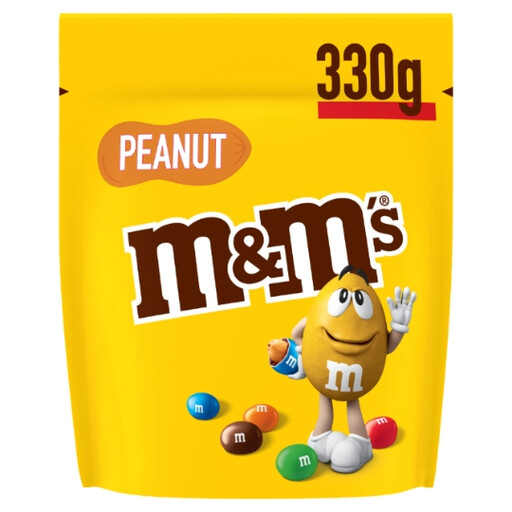 Image unavailable
This bag of milk chocolate-coated peanuts can be shared out in small portions. As it contains peanuts, it’s essential to check the ingredients for your group; also read any ‘may contain’ warnings on the packaging. Store in a cool, dry place.
 Image unavailable
The eleven bars give you several portions to share. If everyone needs to take a bar with them, check the packaging to see whether they’re individually wrapped. Keep the pack dry and away from heat, then check the allergens for the product you’ve chosen.
 Image unavailable
These three bars are a good choice if you can break up the chocolate when you’re ready to serve it, such as at your accommodation. Check the packaging if you plan to carry them separately. Store in a cool, dry place and read the allergen information for this recipe.
Yes, if you can keep it away from heat during transport and serve or store any leftovers properly. If you’re going somewhere without suitable storage, taking an amount that’s right for your snack means you won’t have to leave a large bag out for hours.
Keep it somewhere dry, away from light, strong smells and heat. Lindt generally recommends storing chocolate between 15 °C and 18 °C and warns that it’s more likely to soften above 25 °C. So avoid leaving the pack in the sun or in a car.
No. Santé publique France says that displaying it is voluntary. When comparing prepacked food sold in France, also check the ingredients list and nutrition declaration required under the labelling rules highlighted by the DGCCRF.
Read the label of each product before sharing, including any highlighted allergens and ‘may contain’ warnings. Don’t rely on the brand name alone: a recipe with almonds, hazelnuts or peanuts may differ from another milk chocolate recipe.
The levies on non-alcoholic drinks described by the French Ministry of the Economy apply to drinks, not a bag of solid chocolate. When comparing chocolate, look at the sugars listed in the nutritional information rather than applying a rule intended for drinks.