Parents preparing several lunchboxes
A large bag lets you portion out treats at home. Check its net weight and shape, then decide how much to put in each lunchbox rather than judging by the size of the pack.


A large bag of milk chocolate can work well if you’re preparing several lunchboxes and portioning it out yourself, rather than leaving the whole bag within easy reach. Before choosing, check the ingredients and allergens for the exact product, then compare the nutritional information per 100 g: the bag’s weight doesn’t determine how much to put in each lunchbox. If a Nutri-Score is shown, it can help you make your comparison, but displaying it is voluntary.
A large bag lets you portion out treats at home. Check its net weight and shape, then decide how much to put in each lunchbox rather than judging by the size of the pack.
The exact product matters more than the brand name: check its ingredients, listed allergens and any ‘may contain’ warnings. The French Ministry of National Education says that an individual support plan (PAI) can set out adjustments for a pupil with a food allergy.
The ‘of which sugars’ line and the other values per 100 g make it easier to compare products intended for the same use. As the DGCCRF explains, the Nutri-Score is voluntary, so whether or not it appears on the pack, you should still read the label.
If you’re preparing several lunchboxes, start with the child’s dietary requirements. Then choose between a bag to portion out, a multipack of bars or bars of chocolate to break into portions. Whichever you choose, compare the exact product you’re planning to buy, not just its format.
| What matters | What to check | Who it matters to |
|---|---|---|
| Allergens and school requirements | Read the ingredients and highlighted allergens on the packaging; check any ‘may contain’ warnings against the PAI and the requirements that apply to the child. | If an allergy means an ingredient must be avoided, I need to check every product before putting it in the lunchbox. Around 36% of consumers prioritise this compatibility. |
| Portioning a large pack | Compare the net weight and shape of the chocolate, then plan how you’ll portion it out at home; the total weight isn’t an individual portion. | When I’m preparing several lunchboxes, I want to portion out the chocolate myself rather than hand over the whole large bag. Around 36% of consumers prioritise this convenience. |
| Sugars and nutritional information | Compare the ‘of which sugars’ line and other values per 100 g across similar products; check the Nutri-Score only if it’s displayed. | When choosing between two products, I need to compare their nutritional values on the same basis and consider the amount I plan to serve. Around 28% of consumers prioritise nutritional comparisons. |
The weight on the bag tells you how much you’re buying, not how much to put in a lunchbox. Manger Bouger recommends offering children sugary products in limited quantities.
Decide on the amount in advance and portion it out separately from the large bag.
Depending on the recipe, milk chocolate may also contain other allergens or carry a ‘may contain’ warning. So if you switch product or format, check the label again.
Read the packaging of the product you’ve bought and follow the PAI and school requirements where applicable.
The DGCCRF describes the Nutri-Score as a voluntary label. Nutritional declarations on prepacked foods are subject to separate labelling rules, with certain exemptions.
Check the nutritional information, particularly the sugars per 100 g, even if there’s no Nutri-Score on the packaging.
Article 1613 ter of the French General Tax Code, published by Légifrance, applies to drinks and liquid preparations for drinks. This levy isn’t a factor when comparing bags of solid chocolate.
Instead, compare the ingredients, allergens, format and nutritional information.
These examples show different formats; ingredients and nutritional information vary from one product to another.
Lindt France presents its 1 kg LINDOR Milk bag as a large pack to share.
Milka’s French FAQ describes the basic ingredients in its milk chocolate bars and directs shoppers to the information for each product.
Côte d’Or describes the flavour profile of its milk chocolate, but this brand description doesn’t tell you which format is right for a lunchbox.
Nestlé France has featured KitKat Classique milk chocolate multipacks in x3, x6 and x10 formats.
Carrefour listed a 500 g bag of milk chocolate, an example of a large format with detailed product information.
The Tablette d’Or milk chocolate bar is an example of a bar to portion out rather than a bag of chocolate bites.
These products illustrate three ways to prepare several lunchboxes: portioning out bites from a bag, taking bars from a multipack or breaking bars of chocolate into portions. For each one, check the packaging and the child’s dietary requirements before preparing their lunchbox.
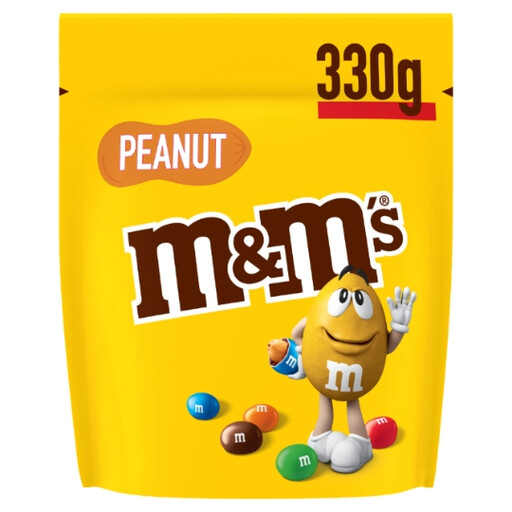 Image unavailable
A bag of peanuts covered in milk chocolate to portion out at home for several lunchboxes. As it contains peanuts, it’s essential to check the allergens and school requirements; decide separately how much to put in each lunchbox.
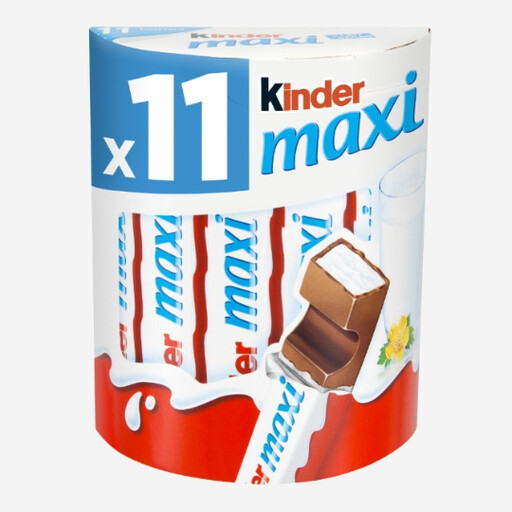 Image unavailable
This multipack lets you prepare individual bars rather than taking bites from a large bag. The number of bars doesn’t determine how much to give a child; remember to check the allergens on the packaging you buy.
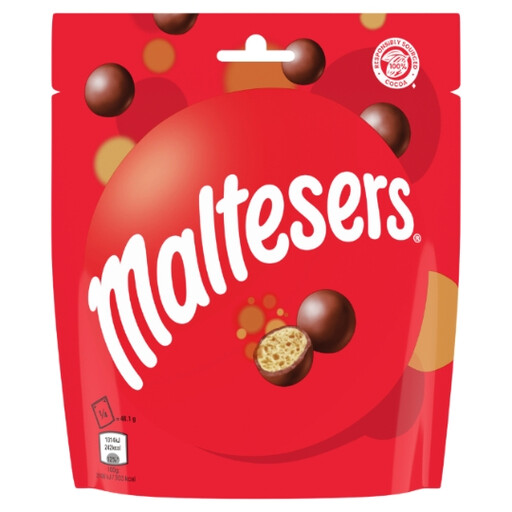 Image unavailable
This bag of bites can be portioned out at home before you prepare the lunchboxes. The product description gives slightly different weights, so check the net weight on the packaging, as well as the allergens.
 Image unavailable
This pack of three bars is an alternative to a bag of bites if you’d rather portion out chocolate at home. A 50 g bar isn’t, in itself, an amount to put in a lunchbox; check the ingredients and the requirements that apply to the child.
 Image unavailable
This multipack of bars suits an approach where you portion out squares at home, rather than buying a bag of chocolate bites. The stated weight is for each bar, not the amount to put in a lunchbox; check the allergens on the product you buy.
No. The DGCCRF says the Nutri-Score is voluntary; nutritional declarations on prepacked foods are subject to separate rules. If the logo appears on the bag, use it as an additional guide and also read the ingredients and values per 100 g.
Read the label for the exact product, including any highlighted allergens in the ingredients list and ‘may contain’ warnings. Recipes can vary, so check this information against the PAI and school requirements where applicable.
Check the guidance in place for the pupil concerned. The French Ministry of National Education says a PAI can be set up for a food allergy and include any adjustments that apply to that pupil.
Reseal it and follow the storage instructions on the packaging, particularly those relating to heat and humidity. Instructions may vary between products.
No. Article 1613 ter of the French General Tax Code, published by Légifrance, applies to drinks and liquid preparations for drinks, not solid chocolate. When comparing two bags, check their labels and formats instead.