For a solo treat
If you don’t want to open a large bar, check the weight of each individual item. Carrefour stocks a 25 g Milka bar; check the recipe and allergens for the specific product you choose.


For a one-off treat without opening a whole bar, choose a small pack with a set weight: Carrefour, for example, stocks a 25 g Milka bar. If you’re planning a few treats throughout the week, a multipack or larger bar could work, as long as you portion it yourself. Either way, check the exact recipe, allergens and nutritional information on the packaging.
If you don’t want to open a large bar, check the weight of each individual item. Carrefour stocks a 25 g Milka bar; check the recipe and allergens for the specific product you choose.
A multipack lets you plan for several treats, but you’ll still need to portion each bar to suit your needs. Carrefour’s range includes multipacks of 2 × 100 g and 3 × 100 g, as well as a 170 g bar.
Compare the ingredients and nutritional values per 100 g, then consider the portion you plan to eat. The DGCCRF reminds shoppers that allergens must be highlighted in the ingredients list of relevant food products.
When doing your weekly shop, start with what matters most to you: a ready-portioned treat, several treats to plan for, or a particular recipe.
| What matters | What to check | Who it’s for |
|---|---|---|
| Format for one treat | The weight of each item and the number of items in the pack. | For a one-off treat, I’d rather open a small item than keep a large bar once it’s been opened. Around 33% of consumers would prioritise having a set portion like this. |
| Planning for the week | The total weight, number of bars and amount to portion out for each treat. | If I’m planning a few treats, I want to know how many bars are in the pack, even if I choose the number of squares myself. Around 42% of consumers would put this kind of planning first. |
| Ingredients | The ingredients, allergens and nutritional values per 100 g. | When choosing between recipes, I first check the ingredients and any allergens that matter to me. Around 25% of consumers would make checking the ingredients their top priority. |
You’ll need to decide how much to have each time with a 100 g or 170 g bar. It’s not designed for the same purpose as a 25 g individual item.
If you only want to open a small amount, check the weight of each item, not just the weight of the pack.
The DGCCRF says that displaying the Nutri-Score is voluntary in France. If it’s not shown, you should still check the nutritional declaration for the relevant prepacked food.
If it is displayed, use it as an additional guide. Also compare the nutritional information per 100 g and the size of your portion.
A plain bar and one with added ingredients can have different ingredients lists, even when they’re from the same well-known brand.
If you need to avoid an ingredient or allergen, read the list on the packaging of the exact product before eating it.
These examples of pack sizes are listed in the Carrefour catalogue; they don’t represent every recipe from each brand.
Carrefour stocks a 25 g Milka milk chocolate bar.
Carrefour lists L’Authentique bars in a multipack of 3 × 100 g.
The milk chocolate recipe with whole hazelnuts listed by Carrefour contains 24% hazelnuts.
Carrefour stocks, among other products, a 170 g Nestlé Dessert Milk Chocolate bar.
Carrefour’s Classic’ range includes milk chocolate bars in multipacks of 2 × 100 g or 3 × 100 g in the Carrefour catalogue.
E.Leclerc DRIVE is an online shopping service. It offers chocolate bars and chocolate snacks, with collection or delivery options depending on your area.
This selection includes a small 25 g bar, multipacks for a few treats and 100 g bars to portion yourself. Choose based on how much you want to open at a time and the recipe shown on the packaging.
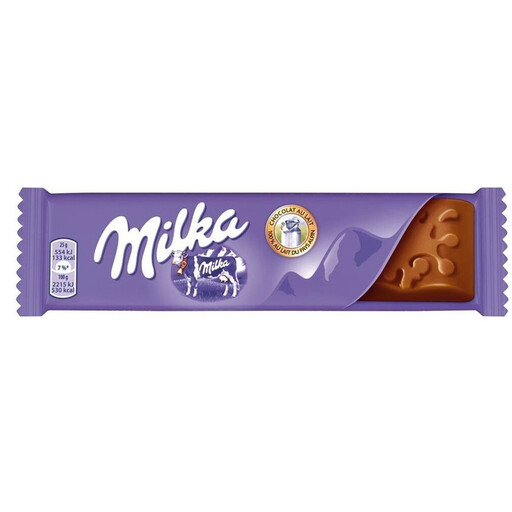 Image unavailable
The 25 g size is ideal when you want a small, set portion for a solo treat. Check the recipe and allergens on the label of the product you receive.
 Image unavailable
The three 50 g bars let you plan a few treats. If you’re planning to take one bar at a time, check that they’re individually wrapped. Also check the allergens in the recipe.
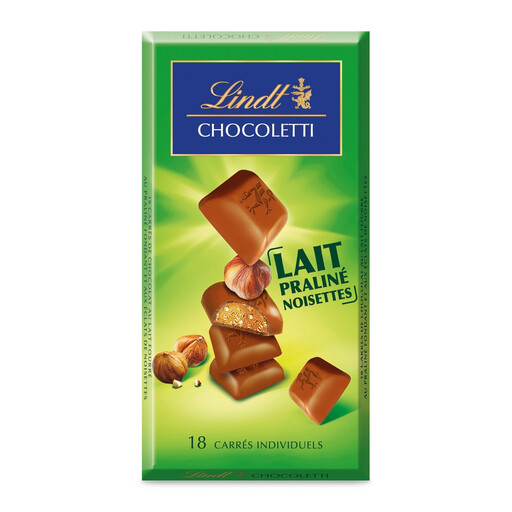 Image unavailable
This 100 g bar is a good choice if you’re looking for a praline recipe to enjoy over a few treats. It isn’t a small, ready-portioned option for one occasion; check the ingredients and allergens before choosing.
 Image unavailable
This pack of three 100 g bars lets you plan for a few treats throughout the week. You’ll need to portion each bar to suit your needs: it isn’t a small, single-serving option.
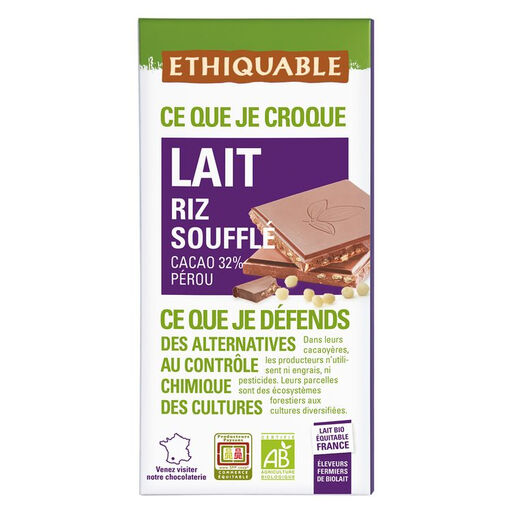 Image unavailable
This 100 g puffed rice bar is for anyone looking for this particular recipe and happy to portion it out themselves over a few treats. Check the packaging for ingredients and allergens.
No, not under the levy set out in Article 1613 ter of the French General Tax Code. According to Légifrance, this applies to drinks and liquid preparations for drinks intended for human consumption. A solid chocolate bar doesn’t fall into this category.
No. The DGCCRF says that displaying the Nutri-Score is voluntary in France. The nutritional declaration is mandatory for the relevant prepacked foods and lets you compare their nutritional values per 100 g.
Read the ingredients list and check the allergens highlighted on the packaging of the exact product. Don’t assume one bar has the same ingredients as another from the same brand, particularly if it contains added ingredients.
Follow the storage instructions printed on the packaging. If you have a large bar, also plan how to store the part you’ve opened; with a multipack, check the best-before date on each product.