
Livraison le jour même ou le lendemain

Qualité garantie

Débloquez vos offres de bienvenue: Livraison GRATUITE | Jusqu'à -80 % | 30 jours d'essai gratuits à JoyPlus
Téléchargez l'application
Between whole milk, semi-skimmed milk, plant-based drinks and individual formats, the choice may seem straightforward. However, the differences can matter, depending on whether you are shopping for the whole family, are lactose intolerant or want a drink that can create a fine foam in your coffee.
The most common pitfall is relying on a prominent claim on the packaging. “Rich in vitamins”, “light”, “barista” or “calcium-enriched” claims do not replace checking the ingredients list and nutrition table. Here are the criteria to consider before filling your basket.
In France, the term “milk” generally refers to a product of animal origin. An oat drink, almond milk or any other plant-based drink therefore does not have the same composition as cow’s milk. The levels of protein, fat, sugars and calcium can vary considerably.
A plant-based drink is therefore not automatically a nutritional equivalent of milk. In particular, check whether it contains added calcium, vitamins and enough protein for your dietary needs.
Skimmed milk contains less fat than whole milk, but it naturally retains the sugars from lactose. Conversely, a flavoured milk drink may have a low fat content while containing added sugar or sweeteners.
To compare products on a like-for-like basis, look at the values per 100 ml, rather than those for a serving. This unit makes it easy to compare a bottle of UHT milk, a small carton or milk powder to be reconstituted.
A large pack of milk often reduces the price per litre, but it takes up more space and must be consumed within the recommended time after opening. Individual formats are convenient for days out, breaks or snacks, but they generally work out more expensive per litre.
For milk powder, resealing the pack, moisture and the best-before date all play an essential role. Poorly sealed powder can lose quality before the date shown on the packaging.
Energy value alone is not enough to predict a product’s taste or uses. To create a successful coffee foam, the protein content, fat level and overall formulation can all make a difference.
Read the ingredients list carefully, particularly for plant-based drinks and flavoured milk drinks. An oat drink may contain gluten, while almond milk contains tree nuts. Soya may also be included in some milk powders, particularly in the form of lecithin.
Statements such as “contains milk”, “contains soya”, “contains almonds” or “contains gluten” must be taken seriously in the event of an allergy or specific diet. Also check the labelling of the product you receive: the recipe and packaging may change.
Compare the price per litre or kilogram, without forgetting the practicalities of everyday life:
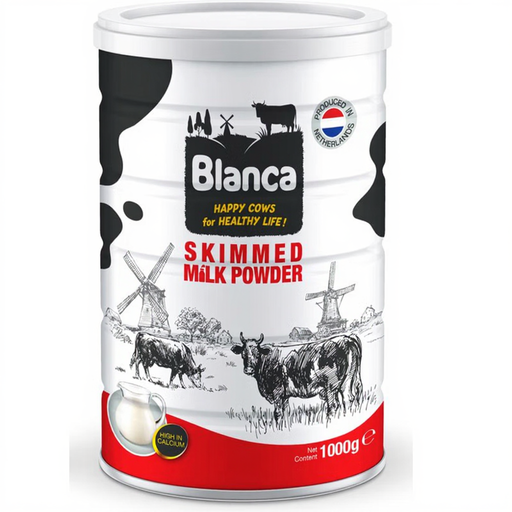
Why this choice suits this profile : This one-kilogram format is suitable for regular use in drinks, baking or coffee. It is easy to store before opening.
The powder avoids building up a stock of bottles and allows you to prepare exactly the amount you want. However, the pack must be sealed carefully and the preparation instructions followed.
1,000 g format, 0,7 g of fat according to the data provided, and versatile use in the kitchen.
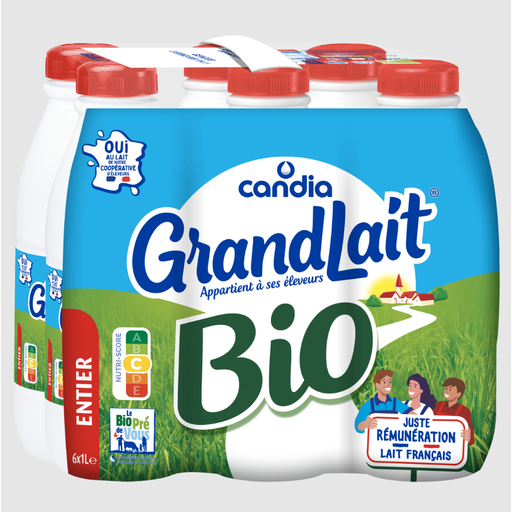
Why this choice suits this profile : This pack of French organic whole milk is designed for households that value clearly stated origins, a creamy texture and family-sized supplies.
The total volume of 6 litres makes the price per litre easy to assess. However, you should plan to consume it regularly and keep the milk in the fridge after opening.
Organic whole milk, pack of 6 × 1 litre and 120 mg of calcium per 100 ml according to the information provided.
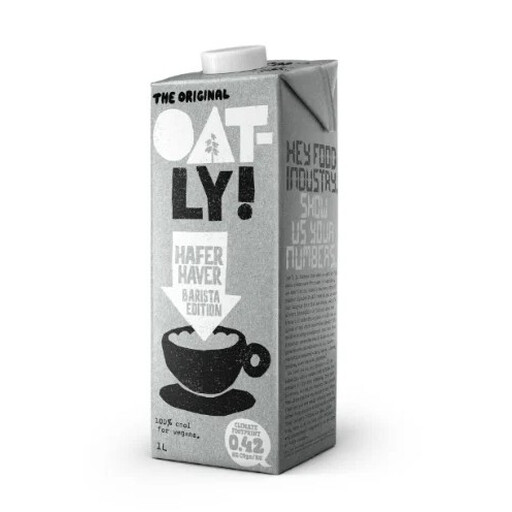
Why this choice suits this profile : This oat drink has been formulated for hot coffees and creating foam, while also suiting people who avoid milk.
The “barista” claim comes with practical heating instructions, including a stated maximum temperature of 65 °C. On its own, it does not guarantee perfect results in every machine.
Oat drink without milk or soya, 1-litre format and 120 mg of calcium per 100 ml according to the supplied labelling.
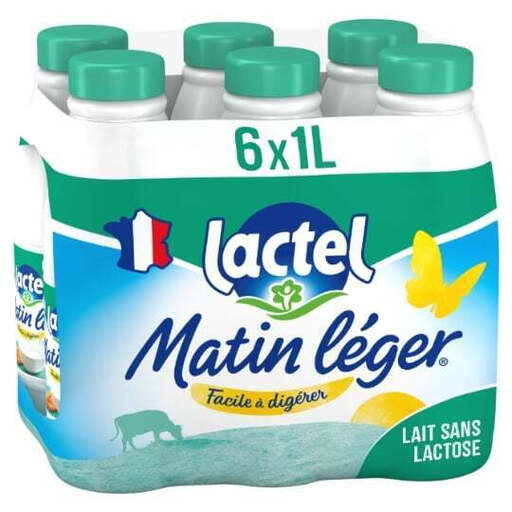
Why this choice suits this profile : This lactose-free UHT skimmed milk can be enjoyed hot or cold and suits households looking for a ready-to-use family pack.
The product information specifies that this is lactose-free milk, not a plant-based drink. You can therefore clearly check for the presence of milk and the storage requirements.
Pack of 6 × 1 litre, 0,1 g of fat and less than 0,01 g of sugars per 100 ml according to the data provided.
We have brought together a complete, real-time updated selection of products that meet these demanding criteria and European safety regulations.
Oat drink is made from water and oats, sometimes with oil, fibre, vitamins and added calcium. Cow’s milk naturally contains milk proteins and lactose, unless it has been treated to remove them. The two products therefore have different nutritional profiles and tastes.
The storage period depends on the instructions shown on the packaging. Several UHT products featured here recommend refrigerating them after opening and consuming them within three to seven days. A drink sold in a small format should generally be consumed immediately after opening. Always follow the instructions printed on the product.
It all depends on the purchase price, the dosage and the amount actually consumed. To work it out, estimate the cost of one litre of reconstituted milk based on the net weight and the manufacturer’s instructions. Also consider the storage period, the space available and the risk of having to throw the product away if it has not been stored correctly.