
Livraison le jour même ou le lendemain

Qualité garantie

Débloquez vos offres de bienvenue: Livraison GRATUITE | Jusqu'à -80 % | 30 jours d'essai gratuits à JoyPlus
Téléchargez l'application
Navigating the milk and plant-based alternative aisle can feel like an obstacle course. Between classic cow's milk, coconut milk for a curry, oat drink for your morning coffee, and unsweetened evaporated milk for a rich sauce, it's easy to get lost. Worse still, some marketing claims are misleading and can lead to purchases you'll instantly regret. As the Head of Product Recommendations at Joybuy, I'm here to help you avoid the pitfalls and choose the product that's perfectly suited to your needs.
Choosing from the shelf is a real headache. Many products look alike, but their composition and uses are radically different. Here are the most common mistakes to avoid?:
To make the right choice, rely on objective criteria rather than marketing slogans.
The fat content is crucial for the texture and final result of your dishes.
Take a closer look at the ingredient list. The shorter, the better.
There's a right product for every use. Here are our recommendations to guide you.
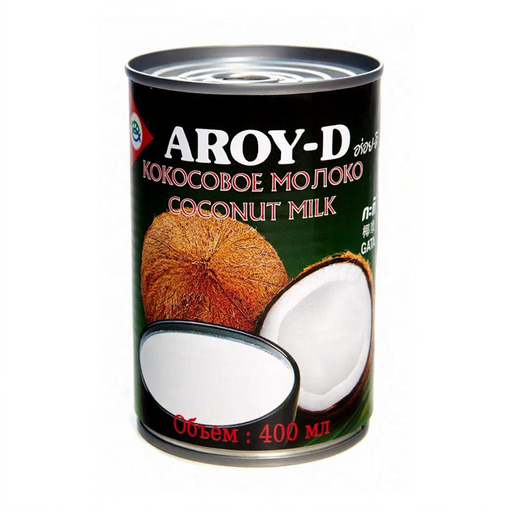
Why it's the right choice: Perfect for purists. Its high fat content (19%) guarantees rich and creamy curries and soups, just like in Thailand.
This isn't a diluted "light" beverage, but a true culinary ingredient—thick, concentrated, and designed for high performance in the kitchen.
A minimalist composition (coconut extract, water) and that's it. No additives or stabilisers, for an authentic taste. BPA-free packaging.
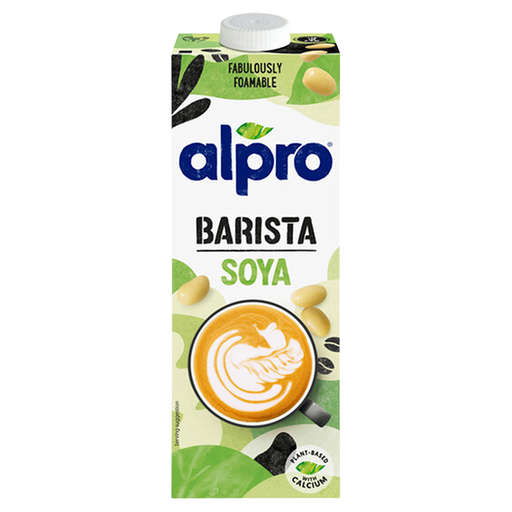
Why it's the right choice: This soya drink is a true all-rounder. Its "Barista" formula makes it perfect for coffee, but its high protein and low sugar content also make it an excellent base for cereals, smoothies, and even some savoury dishes.
It avoids the trap of being a single-use product. Although labelled "Barista," its balanced nutritional profile makes it useful far beyond the coffee machine, justifying the investment.
A source of plant-based protein (3g/100ml), enriched with calcium and vitamins (B2, B12, D2). Guaranteed non-GMO soya.
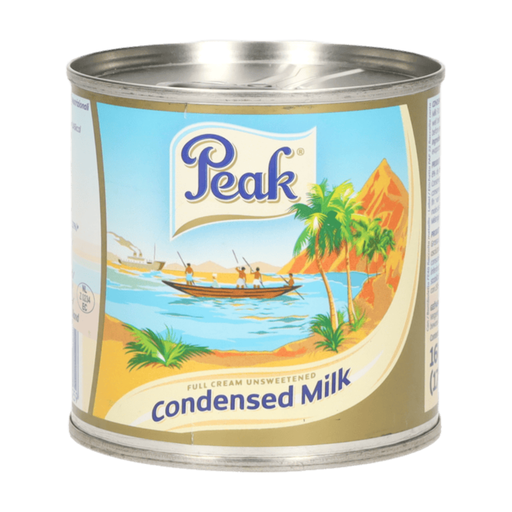
Why it's the right choice: This unsweetened evaporated milk is the dream neutral, rich base for cooks who like to stay in control of their recipes. It adds unparalleled creaminess to sauces, soups, custards, and quiche fillings, without ever imposing a sweet taste.
Not to be confused with sweetened condensed milk. Its lack of sugar makes it an ultra-versatile culinary ingredient, saving it from the trap of being confined to desserts.
Rich, coating texture. Allows for total control over sugar in both sweet and savoury recipes. Enriched with Vitamin D3.
We have curated a complete list of products that meet our strict selection criteria and current regulations.
What's the difference between cooking coconut milk and a coconut drink? It's all about concentration and composition. Cooking coconut milk is thick, high in fat (often 15-22%), and unsweetened; sold in a can or carton, it serves as a base for dishes. The coconut drink, found in large cartons in the chilled or ambient aisle, is much more diluted, lower in fat, often sweetened, and fortified with vitamins. It is designed to be drunk as is.
How do I know if a plant-based drink is suitable for coffee? Look for the "Barista" label on the packaging. These versions are specially formulated with a precise balance of protein and fat, as well as acidity regulators, to guarantee a beautiful foam and prevent curdling when it comes into contact with the coffee's acidity. Oat drink is often an excellent choice for its naturally creamy texture.
Can unsweetened evaporated milk replace cream? Yes, in many recipes. It provides comparable creaminess in soups, gratins, or sauces. Since its fat content is generally lower than that of heavy cream, the result will simply be lighter. It's an excellent long-life alternative to always have in your pantry.