What should you look for?
If you’re considering a soya drink for a child, start with their age and how much soya they already eat. For an adult using it around their running routine, consider endurance fuelling and the drink’s ingredients separately, then compare the recipes for taste and sugar content.
| Criterion |
What to check |
Who is it for? |
| Use for a child |
Consider their age and how often you plan to give it to them, as well as any other soya foods they eat. Don’t replace an infant’s milk feeds with an everyday plant-based drink. |
For my child, I want to know whether this drink has a place in their diet, not just whether they like the taste. Around 45% of consumers would prioritise suitability for their child’s age. |
| Endurance fuelling |
Compare protein and carbohydrate content per 100 ml, and don’t confuse a drink taken with a meal with fuel for a marathon. |
If I’m preparing for a marathon, I need to distinguish my snack from the fuel I’ll need during exercise. Nearly 33% of consumers would put this endurance-related need first. |
| Taste and sugar |
Check the ingredients and the ‘of which sugars’ line per 100 ml for each recipe. |
I’m looking for a mild flavour, but I also want to know how much sugar the recipe contains. Around 22% of consumers would prioritise this comparison. |
A mild taste doesn’t tell you anything about isoflavones. Anses sets a lower toxicological reference value for prepubertal children; whether regular consumption is appropriate depends, among other things, on the child and all their sources of soya.
Soya drinks available on Joybuy
These two drinks suit different uses for adults: an individual Vitasoy carton to take with you, or an Alpro Barista recipe to add to a hot drink or breakfast. Their inclusion here doesn’t mean they’re suitable for regular consumption by children or as your sole source of marathon fuelling.
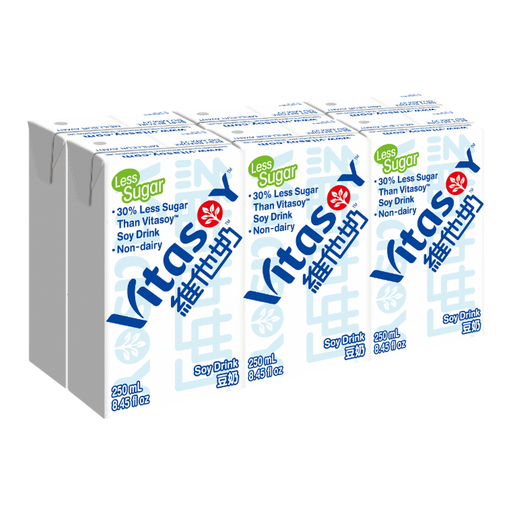 Image unavailable
Vitasoy Soya Bean Milk with Less Sugar, 6 × 250 ml
For adults who prefer an individual portion to take with a meal or snack. The pack contains six 250 ml cartons. The ‘Less Sugar’ wording in the name doesn’t replace checking the total sugars in the nutritional information.
View on Joybuy
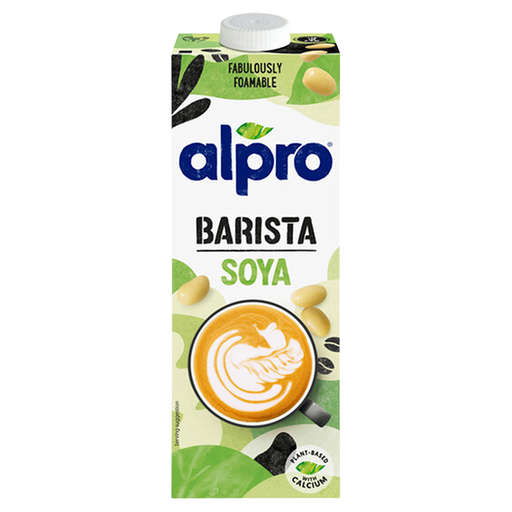 Image unavailable
Alpro Soya Barista, 1 L
For adults looking for a soya drink to use in a hot drink or with breakfast, for example. This Barista variety comes in a 1 L carton. If sugar content is important to you, compare its ‘of which sugars’ figure with those of the other recipes you’re considering.
View on Joybuy
Frequently asked questions
Can a mild soya drink replace an infant’s milk?
No. According to Anses, an everyday drink isn’t suitable as a replacement for breast milk or infant formula for a child under one. Ordinary soya drink isn’t a formula made for infants.
Does vanilla make a soya drink more suitable for a child?
No. A preference for vanilla doesn’t tell you whether regular consumption is appropriate. For a prepubertal child, their age and weight, how often they drink it and their other sources of soya all need to be considered, particularly in light of the toxicological reference value for isoflavones set by Anses.
Is soya drink enough to fuel a marathon?
No. It shouldn’t be considered complete fuelling on its own. INSEP identifies carbohydrates as the body’s main fuel during exercise. Your choice of drinks and food during the race should also take hydration and your individual tolerance into account.
What should you look for on a soya drink label?
Compare the ingredients and nutritional information per 100 ml for the recipes you’re considering, particularly the sugar and protein content. The DGCCRF reminds consumers that allergenic ingredients must be highlighted on food labels, so look for this information on the carton you buy.
How long can you keep a carton once it’s open?
Follow the instructions on the carton in question. For the Alpro ‘Protein’ product described by Auchan, the guidance is to keep it between +1 °C and +7 °C after opening and consume it within five days. Other recipes or pack sizes may have different instructions.


