Everyday meals to reheat
In a studio flat or small kitchen, you mainly want to reheat food, defrost ingredients and prepare simple meals, without giving up space for features you’re unlikely to use.


For reheating and defrosting in a studio flat, start with a solo microwave. Choose a grill model if you also want to brown or crisp food, or a combination microwave if its oven-style cooking modes will genuinely replace another appliance. Before choosing a model, measure the space, door clearance and ventilation gaps specified in the manual: capacity in litres alone won’t tell you how much room you need.
In a studio flat or small kitchen, you mainly want to reheat food, defrost ingredients and prepare simple meals, without giving up space for features you’re unlikely to use.
You already have another way to cook, but would like to brown a portion or grill the top of a reheated dish from time to time.
You’re considering one appliance for both reheating and some oven-style cooking. In that case, the available modes and the space it takes up matter just as much as the cavity capacity.
Choose features based on the dishes you’ll actually make, then check that the appliance will fit where you plan to put it. UFC-Que Choisir groups microwaves into solo, grill and combination models according to these uses.
Choose this if: reheating, defrosting and simple meals cover most of your needs.
Bear in mind: it won’t add a grill for browning or an oven-style cooking mode.
Choose this if: you want to brown or crisp dishes as well as reheat them.
Bear in mind: having a grill doesn’t mean the appliance has an oven mode.
Choose this if: you don’t have a usable oven and plan to use the model’s extra cooking modes regularly.
Bear in mind: according to UFC-Que Choisir, combination models cost more than solo or grill models. Check that the features you choose will genuinely save you from needing a second appliance.
| Priority | What to check | Who it suits |
|---|---|---|
| Everyday meals and available space | External dimensions, door clearance and the gaps specified in the manual; don’t rely on litre capacity alone. | When worktop space is limited, I want to reheat and defrost without getting in the way of meal preparation. Around 45% of consumers would make this their top priority. |
| Occasional browning or grilling | Whether it has a grill, any accessories required and the instructions for using the selected mode. | If I already have a main cooking appliance, I mainly want to brown dishes now and then. This would be the priority for around 22% of consumers. |
| Oven-style cooking | The specific cooking modes, cavity dimensions and accessories suited to the recipes you have in mind. | Without a usable oven, I need one appliance to handle some cooking as well as reheating. Around 33% of consumers would make this their top consideration. |
The litre capacity describes the cavity, not the microwave’s width or the space needed to open its door. For example, Bosch gives the external dimensions of its FFL023MS2 as 260 × 442 × 345 mm, in height, width and depth order.
Measure the available space and compare it with the external dimensions, then allow for the clearances specified in the manual for the model you choose.
Installation requirements vary by appliance. The Bosch FFL023MS2 manual states that this freestanding model is not intended to be installed or used in a fitted cabinet.
For a cupboard or housing unit, look for a model designed for built-in installation. For a freestanding appliance, follow its ventilation instructions and keep the plug accessible as directed.
Extra modes only save space if the combination microwave genuinely replaces an appliance you would otherwise need.
Make a note of the dishes you usually prepare: reheating and defrosting point to a solo model, browning to a grill model, and oven-style cooking to a combination model with the relevant modes.
The Proline CB231 manual warns that an appliance with a damaged door or seal must not be used until it has been repaired by a competent person.
Stop using it and contact the after-sales service team or a qualified professional. Don’t remove the appliance’s protective covers yourself.
These examples can help you compare types of appliance; the features of one model don’t necessarily apply to the brand’s entire range.
The FFL023MS2 is an example of a freestanding microwave to consider when external dimensions are a key factor.
Samsung France separates its range into Solo, Grill and Combination categories, as well as freestanding and built-in models.
The NN-DS59N is an example of a combination option for a kitchen where you want several cooking modes in one appliance.
The models below are suited to everyday reheating with a solo microwave, or to adding a grill. If you want to replace an oven, check separately for the oven-style cooking modes you need.
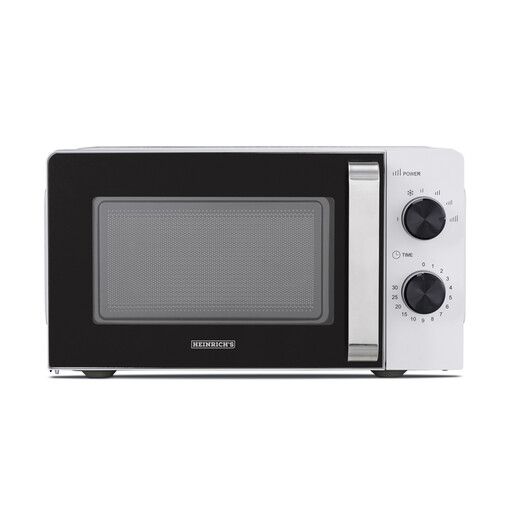 Image unavailable
Worth considering if you mainly need a solo microwave rather than a grill. The product name lists a 20 L capacity, six power levels, a 30-minute timer, a defrost function and 700 W. Check the ventilation clearances and connection requirements in the manual before deciding where to put it.
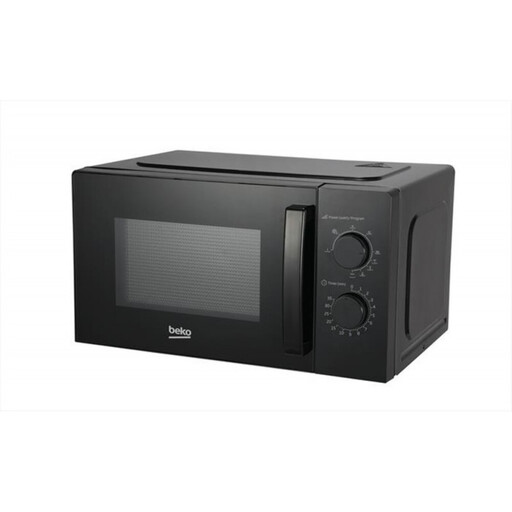 Image unavailable
Worth a look if you want to brown or crisp food as well as reheat it, without expecting the appliance to replace an oven. The product name lists a 20 L capacity and 700 W; check the exact modes, accessories and installation requirements before buying.
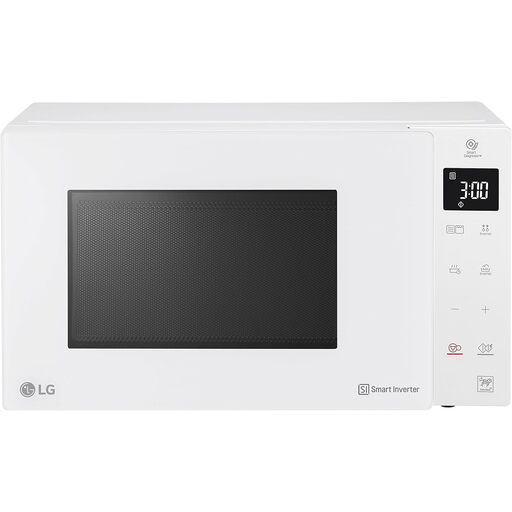 Image unavailable
Worth comparing if you want a grill and a stated 25 L capacity, provided the appliance fits the space available. The product name mentions a digital display. Check the power ratings for the microwave and grill modes separately, along with the installation clearances in the manual.
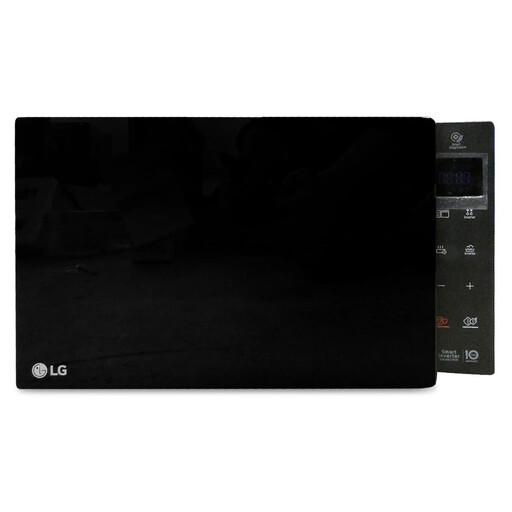 Image unavailable
Worth considering for reheating and browning if the model’s modes suit the dishes you make. The product name lists a 25 L capacity; check which mode the stated power rating applies to, as well as the dimensions and required clearances. The word ‘combo’ alone doesn’t confirm that it has an oven mode.
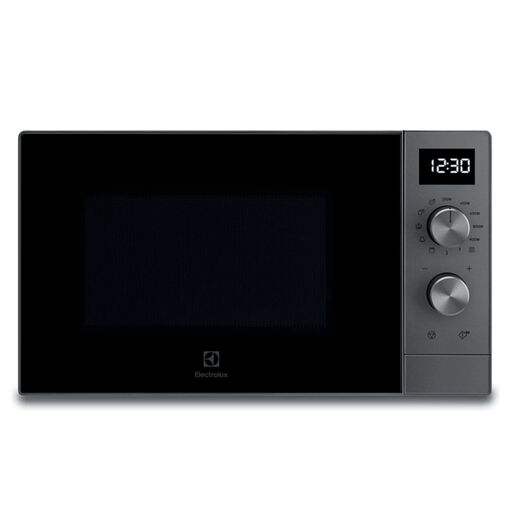 Image unavailable
Worth comparing if a grill meets your needs and you have enough space for a freestanding model. The product name lists a 25 L capacity and 900 W. Check the dimensions, clearances and cooking modes before considering this appliance as an alternative to an oven.
Measure the space available for the appliance, the clearance needed to open its door and the ventilation gaps specified in the manual. Bosch gives the FFL023MS2 dimensions as 260 × 442 × 345 mm; for a different model, the Proline CB231 manual requires at least 30 cm of clear space above it. Follow the instructions for the microwave you choose rather than applying this measurement to every appliance.
Not if its manual rules out this type of installation: the Bosch FFL023MS2 manual states that this freestanding model is not intended to be installed or used in a fitted cabinet. If you have a built-in space, check the requirements for a model designed for built-in installation.
Consider a combination model if you don’t have a usable oven and its specific modes cover the types of cooking you plan to do. If you only want to reheat and defrost, a solo model will do the job; if you want to brown food without other oven-style cooking modes, consider a grill model instead.
Don’t use the appliance until it has been repaired by a competent person. The Proline CB231 manual gives this instruction for a damaged door or seal; contact the after-sales service team or a qualified professional rather than attempting to remove the protective covers yourself.