For everyday reheating
You regularly reheat portions or leftovers and defrost food, but aren’t looking to replace your oven. A straightforward model may suit these needs; compare the reheating and defrosting results for the model you’re considering.


For everyday reheating and defrosting, start with a straightforward freestanding microwave; a grill is useful if you also want to brown food. A combination microwave with convection is worth considering if you plan to cook meals in it too, while a built-in model requires a compatible cabinet niche and installation for the specific model. Whatever you choose, the stated power rating is no substitute for tests of reheating and defrosting performance, or thermal safety.
You regularly reheat portions or leftovers and defrost food, but aren’t looking to replace your oven. A straightforward model may suit these needs; compare the reheating and defrosting results for the model you’re considering.
You’re deciding between using worktop space and making use of an existing cabinet niche. For a freestanding model, check its external dimensions; for a built-in one, you’ll also need to check the niche dimensions and the model’s installation instructions.
You make dishes that need browning, or recipes that need convection, often enough to use these features. A grill is mainly for browning, while a combination microwave with convection offers oven-style cooking.
Start by choosing the features you’ll genuinely use, then check that the format and installation requirements suit your kitchen. A grill and a built-in installation address two different needs: one appliance can offer both.
| Feature | What to check | Who is it for? |
|---|---|---|
| Reheating and defrosting | Defrost settings and independent tests of evenness and speed for the exact model. | If I mainly reheat portions and regularly defrost food, I prioritise these results over an extra cooking feature. Around 33% of consumers would put this need first. |
| Space and installation | Available space, the ventilation requirements in the manual and, for a built-in model, the cabinet niche dimensions. | If I have limited worktop space or need to fit an appliance into a niche, installation compatibility comes before cooking modes. This would be the priority for around 25% of consumers. |
| Browning and a wider range of recipes | Whether it has a grill for browning; convection only if your recipes call for it. | If I occasionally brown dishes but don’t use my microwave as my main oven, I look for the feature that suits those meals. Around 25% of consumers would prioritise this use. |
| Oven-style cooking | Convection mode, room for your dishes, accessories and the model’s cooking test results. | In a small kitchen, I may want to cook dishes that would otherwise go in the oven, without assuming a combination microwave will deliver the same results. This would be the main need for around 17% of consumers. |
UFC-Que Choisir describes tests that assess defrosting, evenness of reheating and thermal safety, among other things. Results are available for individual models: neither the stated power rating nor the name of a programme alone proves how well an appliance performs.
A combination microwave adds cooking modes, but how useful they are depends on the dishes you make. A study by the National Consumer Institute, reported by ADEME, highlights that efficiency varies depending on the dish, model and brand.
Choose convection if you genuinely expect to use it. If you mainly want to reheat food and brown dishes occasionally, consider straightforward or grill models too.
Two appliances with similar-looking fronts may need different cabinet niches. For example, Electrolux specifies a niche measuring 380 × 560 × 550 mm for its CMS4253EMX; these measurements won’t apply to another model.
Measure the entire niche and check it against the installation diagram and ventilation instructions for the model you’re considering.
The rated power doesn’t tell you whether a portion will heat evenly or defrost properly. UFC-Que Choisir’s testing protocol looks separately at temperature measurements, cooking time and thermal safety, among other factors.
If these results matter to your choice, look for an independent test of the exact model.
In France, the statutory legal guarantee of conformity is compulsory for new, second-hand and refurbished goods sold by a business to an individual, as the DGCCRF points out. A retailer’s or manufacturer’s commercial guarantee is separate from this right.
Keep your proof of purchase and check what any commercial guarantee actually adds before you take it out.
The CMS4253EMX is an example of a built-in microwave with a grill. Electrolux’s product information specifies a 25 L capacity and the cabinet niche dimensions.
According to Samsung, the MG23K3513AW/EF is a 23 L freestanding microwave with a grill.
The NN-C69KSM is Panasonic’s example of a 30 L combination microwave with microwave, grill and convection functions.
The MCP349WH is an example of Whirlpool’s freestanding combination microwaves. Its product information lists microwave, grill and fan-assisted cooking in a 25 L appliance.
These freestanding models are designed for everyday reheating and defrosting; some also have a grill for browning food. Check the space and installation requirements for each one. If you’re looking for a built-in model or convection cooking, start by choosing the right feature and format rather than assuming these appliances’ specifications will apply.
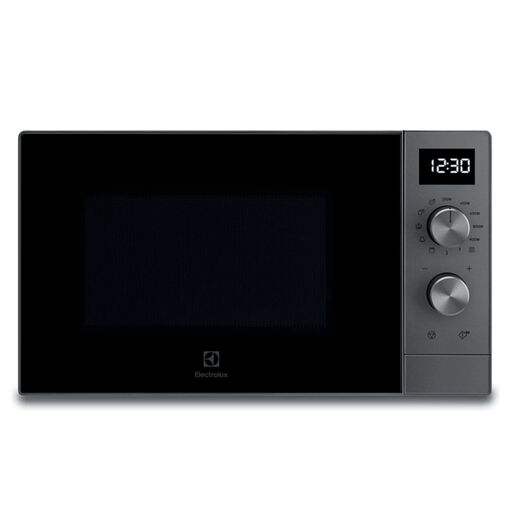 Image unavailable
Worth considering if you reheat and defrost food every day and also want to brown some dishes using the grill.
This freestanding model is listed with a 25 L capacity and 900 W power rating. If you want convection cooking, look for an appliance that specifically offers this mode.
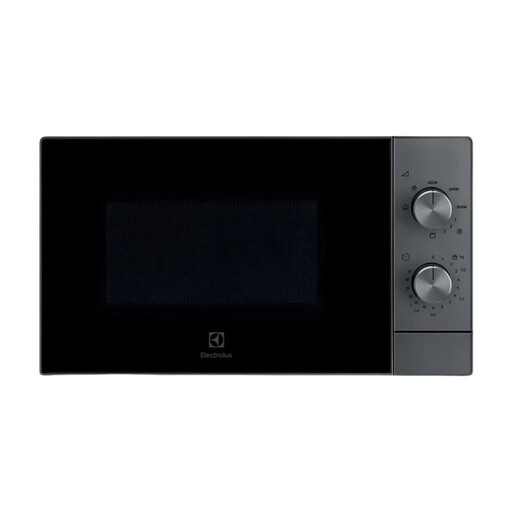 Image unavailable
For reheating meals and regular defrosting. If browning matters too, check which grill modes this model offers.
Its product name specifies a 21 L capacity and 800 W power rating. A grill should not be confused with convection cooking.
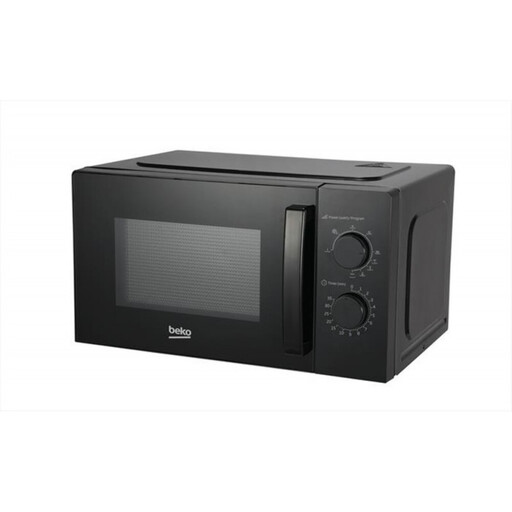 Image unavailable
For reheating or defrosting meals, with a grill for browning food now and then.
This 20 L model is listed at 700 W. Before choosing a spot for it, check the manual for all the required ventilation clearances, particularly above the appliance.
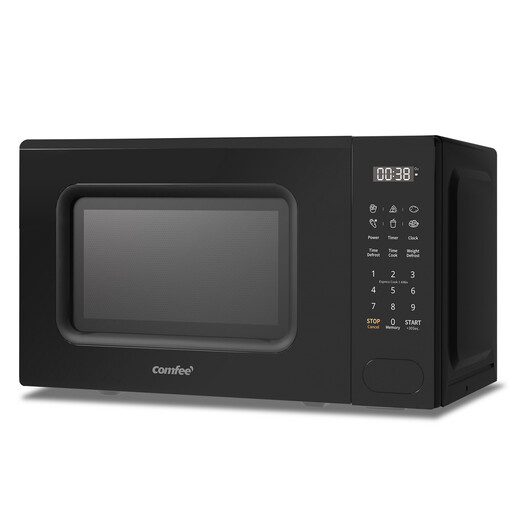 Image unavailable
For reheating and defrosting on the worktop, if browning isn’t a priority for you.
The product description lists six pre-set programmes, a defrost function and express start. Check the manual for the ventilation and power supply requirements for your installation.
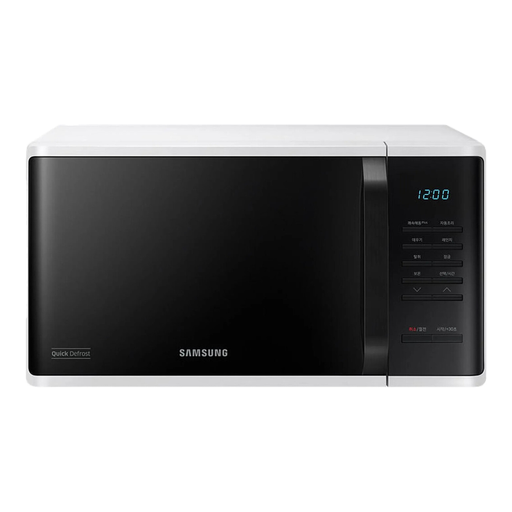 Image unavailable
For everyday reheating and defrosting if you don’t need a grill.
The product name specifies a 23 L capacity and a quick defrost function. Check the MS23K3513 manual for the clearance required around the appliance.
Not for every type of cooking: a grill is mainly for browning, while a combination microwave with convection offers extra oven-style cooking options. Even with this mode, results depend on the dish and the model. The National Consumer Institute study reported by ADEME doesn’t support assuming that a microwave will always replace an oven.
Only if the model’s instructions allow it and you can meet its ventilation clearance requirements. Don’t assume that the dimensions or installation diagram for a built-in model also apply to a freestanding appliance.
Look for independent tests of the exact model that measure how evenly it reheats food and how well it defrosts. UFC-Que Choisir’s testing protocol assesses these separately; the stated power rating alone won’t tell you how well it performs.
For goods sold by a business to an individual in France, the statutory legal guarantee of conformity is compulsory, the DGCCRF points out; this is separate from a commercial guarantee. Keep your proof of purchase and tell the seller how the product you received differs from the stated specifications.