Everyday reheating in a small kitchen
If you mainly reheat leftovers or ready meals and defrost food, the basic functions may be all you need. Still, measure the space available: a freestanding appliance also needs room for ventilation.


A microwave-only model is enough for reheating and defrosting. Choose a grill model if you mainly want to brown dishes, or a combination microwave with convection if it needs to handle some of the cooking you would normally do in an oven. Before choosing, check the appliance’s external dimensions and ventilation clearances against the space available in your kitchen. Then make sure your dishes and containers are suitable for the settings you plan to use.
If you mainly reheat leftovers or ready meals and defrost food, the basic functions may be all you need. Still, measure the space available: a freestanding appliance also needs room for ventilation.
If you already have another way to cook, a grill model can be handy for browning or finishing dishes under the grill from time to time. This doesn’t mean it can cook using convection, though.
If you plan to regularly make bakes, roast vegetables or cook complete meals, look for a model that explicitly lists a convection function. UFC-Que Choisir distinguishes this type of cooking from a grill function alone.
UFC-Que Choisir distinguishes between three functions: microwave for reheating and defrosting, grill for browning, and convection for oven-style cooking. Start with the dishes you want to prepare, then check that the appliance you choose will fit in your kitchen.
Choose this if: you reheat and defrost, but don’t need to brown food regularly.
The trade-off: it has neither a grill nor convection.
Choose this if: you have another way to cook and mainly want to brown or finish dishes under the grill.
The trade-off: a grill alone doesn’t mean the appliance has convection.
Choose this if: you need it to handle some of the cooking you’d normally do in an oven, as well as reheating.
Consider: check the appliance’s overall size and usable cavity against your dishes and available space.
| What to consider | What to check before buying | Who it suits |
|---|---|---|
| Reheating and defrosting | Look for the settings you need for your usual meals, without paying for cooking functions you won’t use. | If I mainly want to reheat meals and defrost food, basic functions matter more than browning; around 30% of consumers would prioritise this need. |
| Occasional browning | Check that it has a grill and find out which settings can be used with the supplied accessory. | If I have another way to cook, I mainly want to brown a few dishes; this would be the priority for around 20% of consumers. |
| Oven-style cooking | Look for an explicit mention of convection, fan-assisted cooking or forced-air heating, then compare the usable cooking area with the dishes you plan to make. | Without access to an oven, I need to be able to cook dishes regularly, rather than just reheat them; around 40% of consumers would put this first. |
| Installation and containers | Compare the external dimensions with the space available and follow the instructions for ventilation. Check the guidance on any packaging used in the microwave. | In a very small kitchenette, I first need to be able to install and use the appliance as directed; this would be a priority for around 10% of consumers. |
The grill is for browning and finishing dishes. If you plan to bake regularly or roast dishes, this function alone may not meet your needs.
Check that the model’s specifications explicitly mention convection, fan-assisted cooking or forced-air heating, as well as its temperature range.
The cavity volume doesn’t tell you whether the appliance will fit on your worktop or whether your dishes will fit inside it.
Measure the space, allow room to open the door and compare the appliance’s external dimensions, usable cooking area and installation instructions.
A microwave may physically fit in a space but still be incorrectly installed if its vents are blocked.
Whirlpool France advises keeping the ventilation grilles clear and not placing anything on the appliance. Check the manual for the clearances required for your model.
According to Anses, overheating food can increase the migration of substances from some packaging into food.
Follow the power and heating-time instructions on the packaging. If it doesn’t say that it’s microwave-safe, transfer the food to a suitable container.
These example models can help you compare features and installation requirements. Their specifications shouldn’t be taken to apply to every appliance from the same brand.
The MC32J7035AW/EF is an example of a freestanding combination microwave with microwave, grill and convection functions.
The NN-C69KSM is an example of a combination microwave for anyone looking for convection cooking without a separate oven.
The specific functions matter more than the word ‘combination’ on its own.
The EMS4203TMX is worth considering if your kitchen has a suitable space for a built-in appliance.
These Joybuy appliances are suited to reheating and defrosting, and three of the models shown also have a grill. If you also need to cook dishes as you would in an oven, check separately for a convection function.
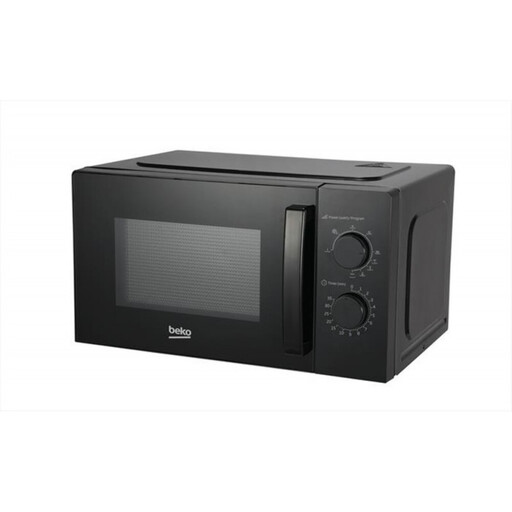 Image unavailable
Worth considering if you want to reheat and defrost food, and occasionally brown dishes. The model name indicates a microwave power of 700 W. Check the ventilation requirements before setting aside space for it on your worktop.
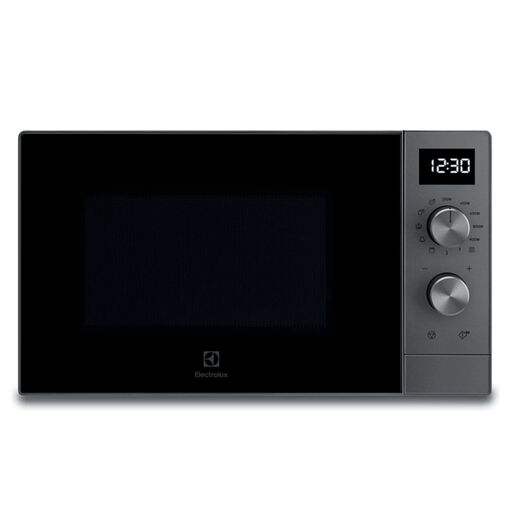 Image unavailable
For reheating and defrosting, with a grill for occasional use. The model name indicates a microwave power of 900 W. If you need it to handle oven-style cooking, confirm that it has a convection function before choosing.
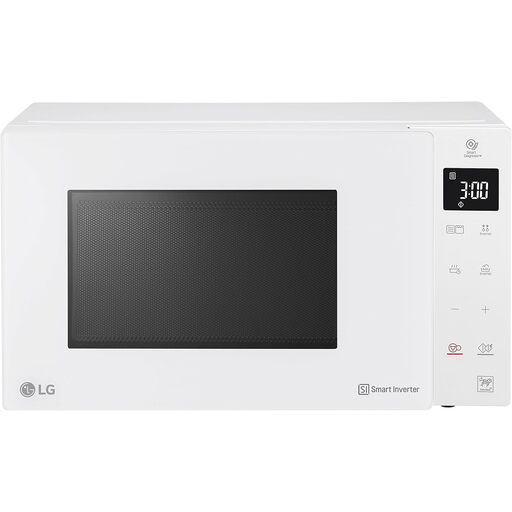 Image unavailable
One to consider for reheating, defrosting and browning dishes. Check the grill power in the model’s specifications and the ventilation clearances in its manual before deciding where to put it.
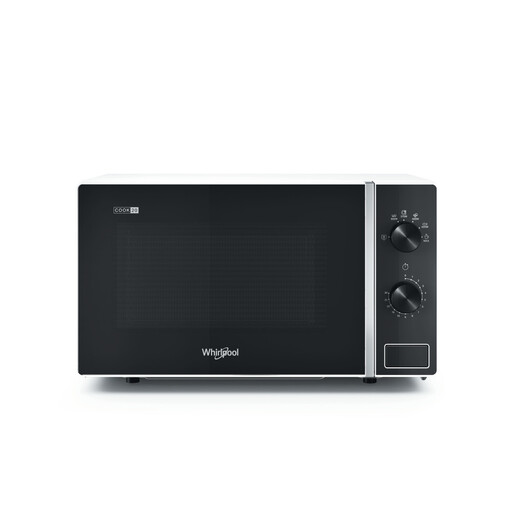 Image unavailable
For reheating meals and defrosting food when you don’t need to brown dishes. The model name indicates 700 W; check the manual to make sure you allow enough space for ventilation.
Choose a cavity that fits the dishes you use, but don’t rely on the litre capacity alone. Also compare the internal cooking area, external dimensions, door opening and the space needed for ventilation.
It can handle some oven-style cooking if the model has a genuine convection function. UFC-Que Choisir distinguishes this from the grill, which is for browning, so check the settings listed for the specific appliance you’re considering.
Keep the vents clear and check the clearances in the model’s manual before deciding where to put it. Whirlpool France also advises against placing anything on a microwave oven.
No. Only use packaging in the microwave as directed, particularly when it comes to power and heating time. Anses says that overheating increases the risk of substances migrating from some types of packaging. If you’re unsure whether the packaging is microwave-safe, transfer the food to a suitable container.