Households serving individual portions
To quickly reheat a plate of food, soup or leftovers without preheating, start by looking at a microwave. Check that your containers fit inside and that the settings suit the dishes you reheat.


For a quick serving of leftovers, start by comparing solo microwaves: UFC-Que Choisir describes a microwave as a quick way to reheat food. If you also want to brown pizzas or gratins regularly, consider a mini oven or combination microwave instead. A compact multicooker is suited to a different purpose: reheating food in its cooking pot and keeping it warm, provided its capacity and cleaning requirements work for your meals.
To quickly reheat a plate of food, soup or leftovers without preheating, start by looking at a microwave. Check that your containers fit inside and that the settings suit the dishes you reheat.
If pizza, quiche or gratin regularly features on your menu, compare a fan-assisted mini oven with a combination microwave that has a grill. These functions meet a different need from simply reheating a plate of food, so make sure you have the space and time to use them too.
For soups, rice or saucy dishes that need to be served at different times, a compact multicooker with reheat and keep-warm functions may be a good fit. Compare its cooking pot capacity with your usual portions and check how it needs to be cleaned.
Consider it: when quickly serving portions or soup matters more than browning a dish.
Limitation: on its own, it won’t give some dishes the browned finish you’re looking for.
Consider it: if you often reheat dishes that you’d like to brown and have a suitable worktop space.
Limitation: you may need to preheat it, which is worth bearing in mind when you’re in a hurry.
Consider it: if you’d like to switch between microwave reheating and finishing food under the grill or with hot air in one appliance.
Limitation: check which modes on your chosen model work separately or together; they aren’t interchangeable for every dish.
Consider it: if you mainly cook meals in a pot and keeping food warm is important to how you organise mealtimes.
Limitation: it won’t do the same job as an oven when you want to make a dish crispy.
| Priority | What to check | Consumers prioritising this |
|---|---|---|
| Serve a portion quickly | Power settings and turntable diameter compared with the plates you use. | When a plate of food or soup needs to be served between activities, I prioritise an appliance that’s simple to start. Around 33% of consumers would put speed first. |
| Brown a dish | Whether it has a grill or fan-assisted cooking, and whether the internal dimensions suit your dishes. | For pizza, quiche or gratin, I care more about the finish than immediate reheating. Around 27% of consumers would have this priority. |
| Balance space and functions | External dimensions, door opening and the modes actually available on a combination model. | If my worktop space is limited, I look to combine the functions I need without choosing an appliance that can’t be installed properly. Around 20% of consumers would put this compromise first. |
| Manage dishes cooked in a pot | Reheat and keep-warm functions, cooking pot capacity and cleaning instructions. | For saucy dishes prepared in advance, I prefer to be able to reheat them and then keep them warm until serving. This would be the top priority for around 20% of consumers. |
The maximum power won’t tell you whether your plate will fit inside, whether you can adjust the setting to suit your food or whether the appliance has a grill.
Compare the usable dimensions and the functions you’ll actually use, then measure your usual containers.
Anses says that excessive microwave reheating increases the risk of substances from packaging migrating into food.
Follow the power and timing instructions on the packaging. If the container isn’t suitable for microwave use or there are no instructions, transfer the meal to a microwave-safe dish.
External dimensions don’t always include the space needed to open the door and allow the ventilation specified by the manufacturer.
Before ordering, measure the space and check the required clearances in the instructions for your chosen model.
A multicooker’s reheat and keep-warm functions are designed for meals cooked in its pot, not necessarily for dishes you want to brown under a grill.
If you often want this kind of finish, look at the functions offered by a mini oven or combination microwave instead.
A brand to consider for a solo microwave for everyday portions and defrosting.
A brand to consider if you’re choosing between a fan-assisted mini oven and a combination microwave.
A brand to consider for meals cooked in a pot, particularly if keeping food warm is part of your serving routine.
These models cover microwave reheating, including solo appliances and models that also offer a grill or other modes. Compare their capacity and controls with your usual portions. Mini ovens and multicookers have different features to consider, as outlined above.
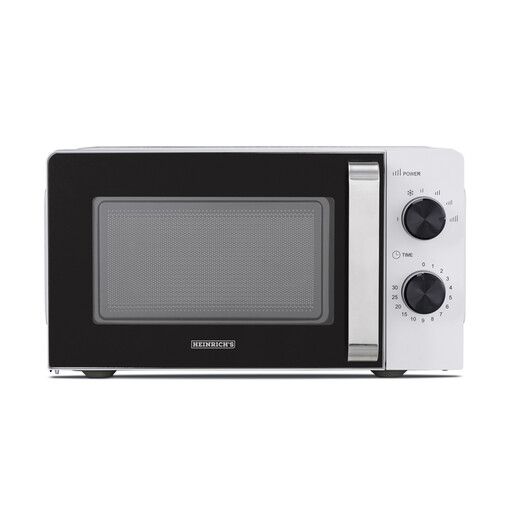 Image unavailable
Worth considering for reheating or defrosting portions using simple controls. The model title lists 700 W, six power levels and a 30-minute timer. Check the installation clearances in the instructions.
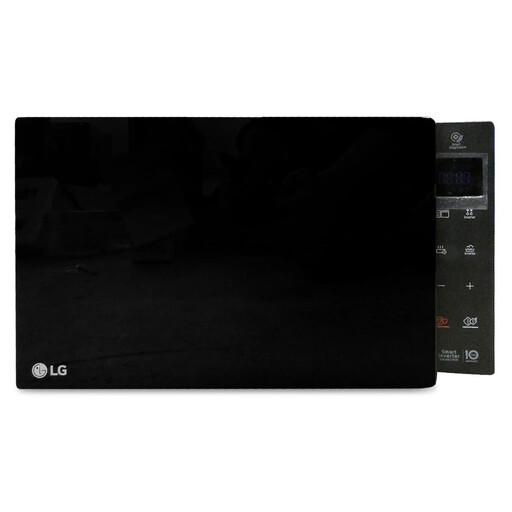 Image unavailable
Worth considering if you’d like to combine microwave reheating with another cooking function. It has a stated capacity of 25 L. Check the available modes, their settings and the ventilation space needed before choosing this combination model.
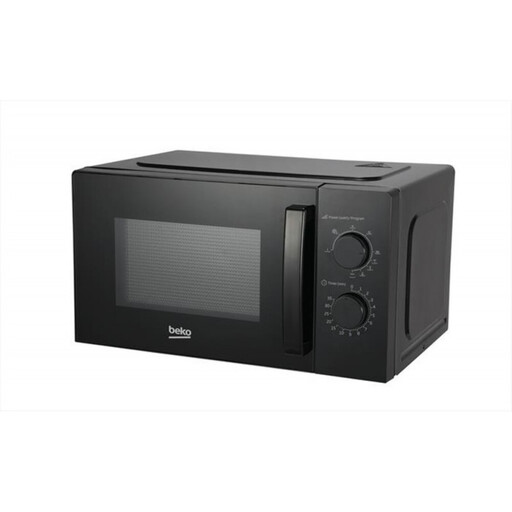 Image unavailable
Worth considering if you reheat leftovers and would also like to use a grill for some dishes. The title lists a 20 L capacity and 700 W. Check your containers against the internal dimensions and follow the clearances in the instructions.
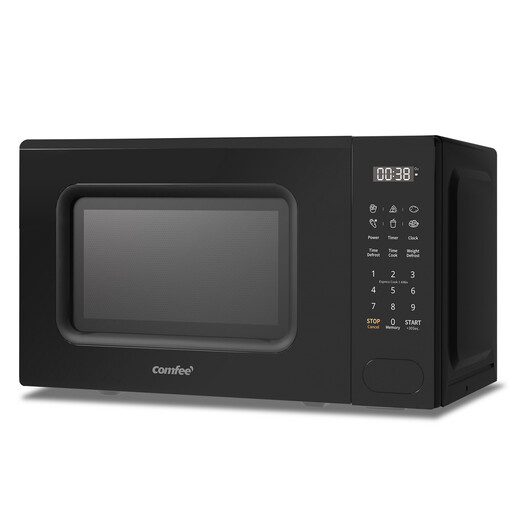 Image unavailable
Worth considering if you prefer digital controls for reheating and defrosting. The title lists 700 W, eleven power levels and six pre-set menus. Compare the turntable size with your plates and check the installation instructions.
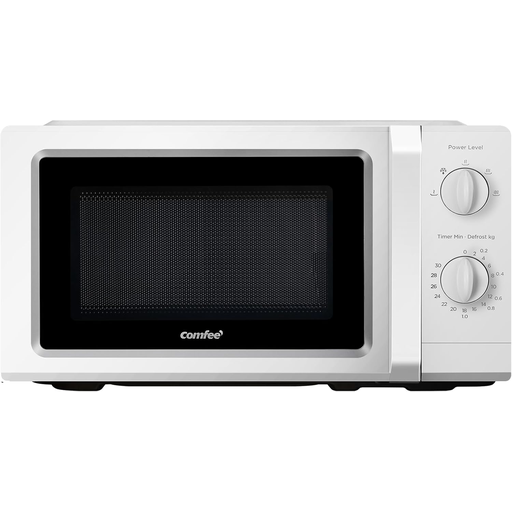 Image unavailable
Worth considering for portions that fit on its stated 245 mm turntable. The title lists 700 W, five power levels, a defrost function and a 30-minute timer. Measure the space you’ll need for installation before buying too.
No. Power alone won’t tell you whether your plates will fit inside or whether the settings are right for your meals. Also compare the turntable, usable capacity, power levels and defrost function.
Yes, but only if the packaging is microwave-safe and you follow its power and timing instructions. Anses warns that excessive reheating increases the risk of substances from the packaging migrating into food. If there are no suitable instructions, transfer the meal to another dish.
Measure the available width, depth and height, as well as the space needed to open the door. Then check the model’s instructions for ventilation clearances: you can’t work these out from the external dimensions alone.
A multicooker may be a good fit if you reheat these dishes in its cooking pot and want to keep them warm. Check its capacity, that it has these functions and the cooking pot’s washing instructions. If you mainly want to reheat a plate of food quickly, compare microwaves too.