If you often reheat a single portion
If you regularly reheat a meal, first check whether your containers are microwave-safe and whether you also want your food to brown.


For small portions you prepare regularly, start by choosing an appliance to suit what you cook: a microwave for reheating or defrosting, a hob for cooking in a saucepan or frying pan, and a mini oven or your existing oven for roasting, baking or browning. To compare energy use, consider the quantity, preheating and cooking time for the same dish, rather than looking only at the stated power. A study by ADEME and the National Consumer Institute found that the efficiency of combination ovens varies by dish and model, with no clear advantage for every type of cooking.
If you regularly reheat a meal, first check whether your containers are microwave-safe and whether you also want your food to brown.
For one or two portions that need dry heat, grilling or browning, compare a mini oven’s settings and size with what your existing oven can do.
For boiling, frying or cooking in a sauce, a portable hob gives you the option of cooking directly in a pan. If it uses induction, first check that your cookware is compatible.
Start with the dishes you make regularly, then check the space available and the cookware you’ll need. ADEME’s published annual energy use figures are based on different types of use and numbers of cycles for each appliance. On their own, they don’t tell you which option will use the least energy for a particular dish.
Consider one if: you mainly reheat or defrost ready-prepared portions.
Limitation: a basic model won’t automatically replace an oven for dry-heat cooking or browning.
Consider one if: you regularly need to roast, bake or grill small dishes.
Limitation: its compact size doesn’t guarantee energy savings for every recipe.
Keep using it for this if: you cook several portions at once or need a large oven cavity.
Limitation: for a single small dish, consider factors such as preheating and cooking time.
Consider one if: you mainly cook in a saucepan or frying pan. A portable hob means you won’t need to plan a permanent installation.
Limitation: induction requires compatible cookware and won’t brown food like an oven.
| What matters | What to check | Who it matters to |
|---|---|---|
| Reheating and defrosting | Available functions and space for your usual containers; check that they’re microwave-safe. | If I reheat a cooked meal almost every day, I want to avoid a long wait without needing a crispy finish. Around 36% of consumers put reheating or defrosting at the top of their list. |
| Browning and oven cooking | Whether it has a grill or fan-assisted cooking, and whether its usable dimensions suit your dish. | For my small tarts or gratins, the finished result matters more than simply warming food through. Around 29% of consumers prioritise cooking that browns food. |
| Cooking several portions in the oven | The size of your dishes, the number of portions and how often your recipes really need your existing oven. | When I cook several portions at once, I want to know whether my current oven already meets my needs. This is a priority for around 21% of consumers. |
| Cooking in a saucepan or frying pan | The number of cooking zones and, for induction, whether your pans are compatible. | If I mainly make pasta, sauces or stir-fried food, I want to be able to keep an eye on it and stir as it cooks. Around 14% of consumers make this type of direct cooking their main priority. |
The stated power doesn’t tell you how much energy a dish will use on its own. Cooking time, quantity and preheating all play a part. ADEME’s annual figures are also based on different types of use for each appliance.
Make a note of the dishes you cook often, then compare appliances using similar quantities and the same sort of finished result.
A mini oven is best suited to dishes that need dry heat, grilling or browning. The study by ADEME and the National Consumer Institute also found that combination ovens vary in efficiency depending on the dish and model.
Decide whether you mainly want to reheat food quickly or achieve a browned finish, then choose the settings your recipes actually need.
Your dish or container must be suitable for the type of heating you plan to use. The DGCCRF recommends using items designed for food contact and following their instructions. Induction also requires compatible cookware.
Check your usual containers and pans before choosing an appliance.
You may need to replace cookware that isn’t compatible.
A worktop hob and a project involving fixed electrical wiring aren’t the same thing. Installing or modifying a fixed circuit involves more than simply choosing a portable appliance.
If you’re not planning any building work, look for a model specifically described as portable and follow its instructions. For a built-in hob, have the installation assessed before you buy.
Whirlpool France’s range of freestanding microwaves includes basic, grill and combination models to consider if reheating is your main use.
Moulinex mini ovens are worth considering if you cook small dishes in the oven rather than simply reheating them.
Bosch built-in ovens are worth considering if you already use an oven that can cook on several levels.
Tefal’s Everyday Slim portable induction hob is one option to consider for cooking directly on a hob without planning a built-in installation.
These appliances suit three of the uses covered here: reheating in a microwave, cooking on a portable induction hob or preparing a dish in a mini oven. If you already have an oven, first check what you can cook in it before considering an additional appliance.
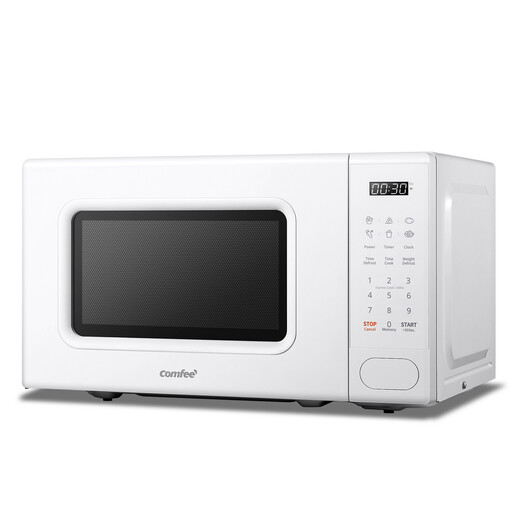 Image unavailable
Worth considering if you mainly reheat or defrost ready-prepared portions.
Stated power of 700 W, 11 power levels and six pre-set programmes. These figures don’t measure the energy used to cook a recipe.
Check that your containers are suitable, and confirm the voltage and plug before use.
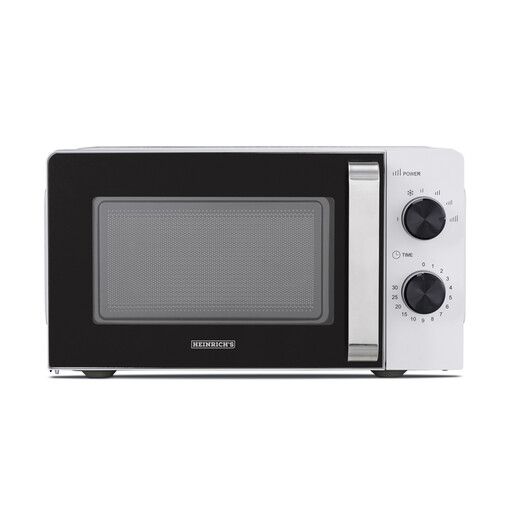 Image unavailable
An option to consider for reheating or defrosting when you don’t need food to brown in the oven.
Stated power of 700 W, six power levels and a 30-minute timer.
Check its external dimensions against your available space, and use microwave-safe containers.
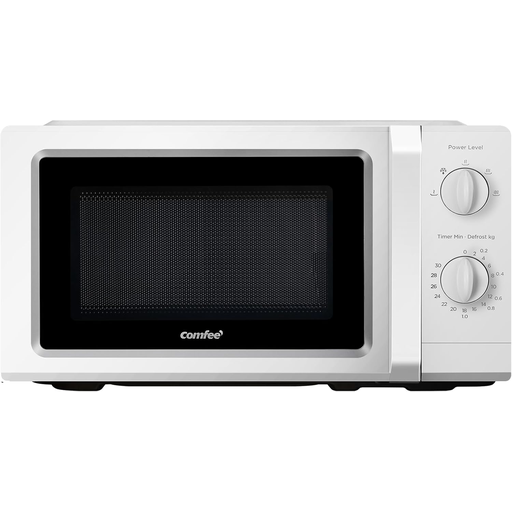 Image unavailable
Worth considering if you mainly reheat and defrost food on a regular basis.
Stated power of 700 W, five power levels, a 30-minute timer and a 245 mm turntable.
Compare its external dimensions with the space available, and confirm the voltage and plug before buying.
 Image unavailable
Worth considering if you mainly cook in a saucepan or frying pan and aren’t planning a permanent installation.
This model lists ten power settings and six functions. Its stated power doesn’t tell you how much energy it uses per dish.
Use induction-compatible cookware, keep the ventilation openings clear, and check the voltage and plug.
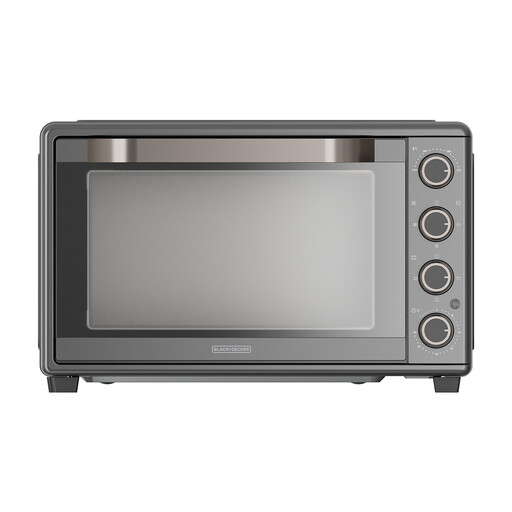 Image unavailable
Worth considering for dishes that need oven cooking or grilling rather than simply reheating.
Its stated 45 L capacity may be more than you need for a single portion. Measure your dish and available space, and allow for the required ventilation clearance.
Follow the instructions for handling hot accessories, and check the voltage and plug before buying.
No. They aren’t enough to tell you how much energy a particular dish will use. Cooking time, quantity and preheating also matter. ADEME’s annual figures are based on different types of use for each appliance. Compare the same portion and the finished result you’re looking for.
No. Choose a container that’s suitable for food contact and for the type of heating you’re using. The DGCCRF recommends following the instructions for use. Check that it’s labelled as microwave-safe, and don’t put a container in the oven unless it’s designed for that purpose.
A portable hob is designed to be used on a worktop, unlike a built-in hob, which may involve fixed electrical installation. Follow the instructions for your portable model and check that your cookware is compatible. Have any plans to alter your installation assessed separately.
Check that its voltage, plug and operating requirements are suitable for your installation, then read the safety and ventilation instructions. The DGCCRF notes that electrical equipment can pose risks including electric shock, fire and burns. Also check for any official product recalls that may apply to your model.
Yes, if it can be repaired safely and appropriately. The Ministry of the Economy explains that the repair bonus applies to certain products that are out of warranty and taken to an approved repairer. Check whether your model is eligible and have the fault assessed before deciding to replace it.