Students and people with a kitchenette
If worktop space is limited and you mainly reheat or defrost meals, a basic microwave may be enough. Consider a grill or fan-assisted cooking if you actually prepare dishes that need those functions.


If you mainly reheat and defrost meals, start with a basic microwave. A model with a grill can also be useful if you occasionally want to brown or crisp food. If you regularly cook oven-style dishes without adding several appliances, consider a combination microwave with fan-assisted cooking. If golden, browned results matter more to you than microwave functions, compare a mini oven or an air fryer instead. UFC-Que Choisir distinguishes between these cooking methods, but your choice also depends on the dishes the appliance can fit and the space you need to install it.
If worktop space is limited and you mainly reheat or defrost meals, a basic microwave may be enough. Consider a grill or fan-assisted cooking if you actually prepare dishes that need those functions.
For occasional meals, start with the dishes you plan to prepare. Gratinating food calls for different functions from regular oven-style cooking. Also check that the appliance can remain installed in line with its instruction manual.
Compare the space needed for a combination microwave with that of two separate appliances. The cooking-method descriptions from UFC-Que Choisir and Moulinex show that an air fryer and a microwave serve different purposes. Let the dishes you usually cook guide your choice.
Start by identifying how you usually cook, then check that the functions you need suit your dishes and the space available.
| Priority | What to check | My needs |
|---|---|---|
| Cooking functions | Know the difference between microwave, grill and fan-assisted cooking. According to UFC-Que Choisir, a grill can brown or crisp food; a combination model may also offer fan-assisted cooking. | Do I mainly reheat portions, or do I also need to brown food, bake cakes and cook oven-style dishes? |
| Space and capacity | Compare the external dimensions with the clearances required in the instruction manual. Check the size of the cavity, turntable or drawer against the dishes you use. | Will the appliance fit on my worktop and accommodate the plates, dishes or portions I use? |
| Results and controls | Check the model-specific information on reheating and defrosting, and, where relevant, browning and temperature control. UFC-Que Choisir assesses these factors separately in its testing process. | If I use the same appliance every day, I want to be able to set and clean the functions I actually use with ease. |
| Containers | Check the container’s instructions for each cooking mode, as well as the power level and time recommended for packaging intended for reheating. DGCCRF and Anses stress the importance of following usage instructions. | I sometimes reheat a packaged meal. Is its packaging suitable for the selected mode, or should I transfer the meal to a suitable container? |
Having a grill and fan-assisted cooking doesn’t guarantee that all your dishes will fit inside or that you’ll be happy with the cooking results. UFC-Que Choisir assesses factors such as browning and temperature control across different models.
Make a note of the dishes you cook regularly, then check the functions, usable space and cooking specifications of the model you’re considering.
The stated capacity tells you neither the external dimensions nor the shape of the cooking area. An appliance may be less accommodating for your usual dishes than its volume suggests.
Measure your worktop and dishes, then check the appliance dimensions and the clearances required in its instruction manual.
A container intended for microwave use isn’t automatically suitable for the grill or fan-assisted cooking. Anses also notes that reheating food at an excessively high microwave setting can increase the migration of substances from some types of packaging.
Follow the instructions for both the container and the appliance, especially those covering the cooking mode, power level and reheating time.
An air fryer cooks by circulating hot air in a compact compartment, as Moulinex explains. This cooking method doesn’t automatically provide the reheating and defrosting functions you’d expect from a microwave.
Choose according to the dishes you usually prepare, and check the appliance’s exact functions if you plan to keep just one.
The FEL023MS2 is an example of a freestanding microwave with a grill that’s worth considering for a kitchenette.
The MWF259SG is an example of a freestanding microwave that combines microwave and grill functions.
The brand offers useful points of comparison for hot-air cooking, with a mini oven and air fryers.
These models let you compare solo microwaves, models with a grill and combination microwaves for a kitchen without a conventional oven. If your meals mainly need hot-air cooking, include a mini oven and an air fryer in your comparison too.
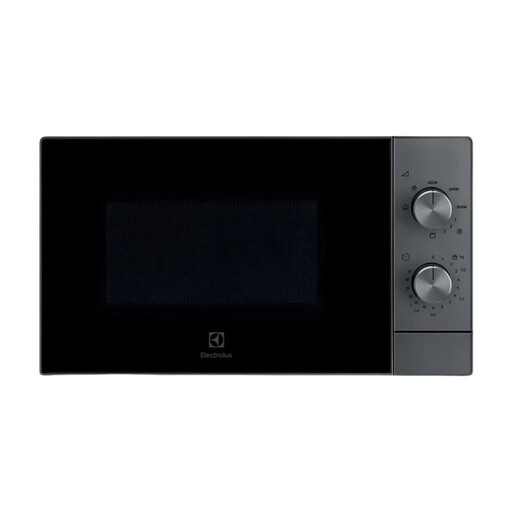 Image unavailable
Worth considering for reheating or defrosting portions when space is limited. If you’d also like to brown or crisp food, check the functions and installation clearances specified for the EMZ421MMTI.
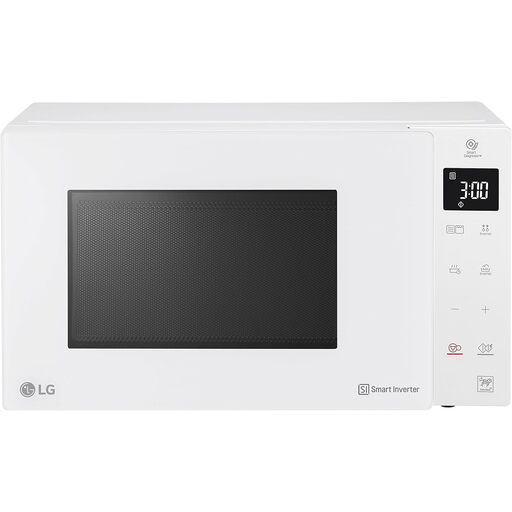 Image unavailable
The grill is worth considering if you want to brown or crisp food as well as reheat meals. Before comparing the settings, check this model’s dimensions, ventilation requirements and stated grill power.
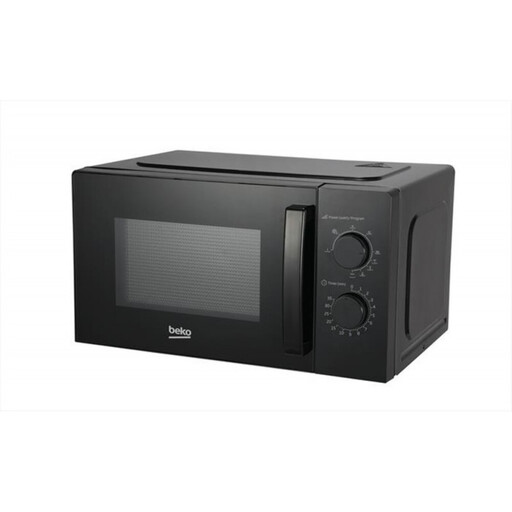 Image unavailable
This model combines a microwave and grill for reheating meals and the occasional gratin. Compare your dishes with the cooking space, and check the required clearances, particularly above the appliance.
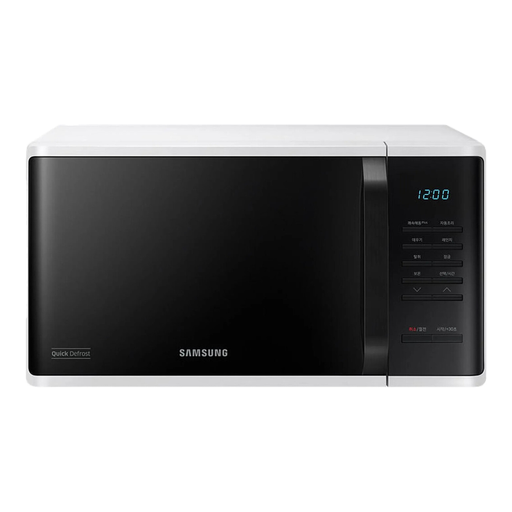 Image unavailable
A solo model suits those who mainly want microwave cooking and defrosting, without relying on a grill. Check the space needed for installation and the size of the dishes you plan to use.
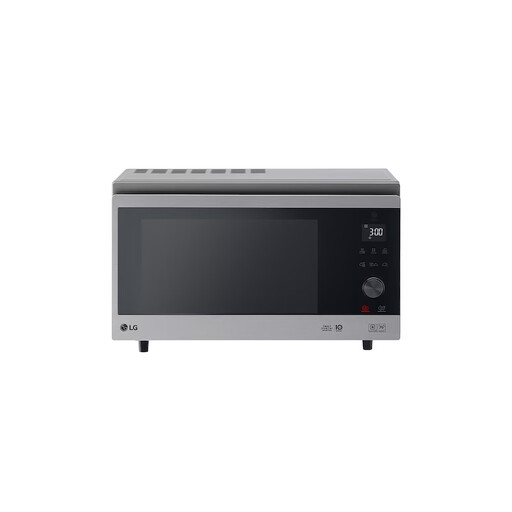 Image unavailable
Worth comparing if you want one appliance to handle reheating and some oven-style cooking. Its stated capacity of 39 L doesn’t guarantee it will fit in a kitchenette. Check its dimensions, installation type, ventilation requirements and the functions your dishes need.
No. According to UFC-Que Choisir, a combination microwave may add grill and fan-assisted cooking functions, but check that its cavity can fit your dishes and that its cooking results suit your needs. Its testing process assesses reheating and fan-assisted cooking separately, among other factors.
No. Use a container designed for microwave use and follow its instructions. For packaging intended for reheating, also stick to the recommended power level and time. Anses notes that reheating food at an excessively high microwave setting can increase the migration of substances from some types of packaging.
Not necessarily. Check the modes and temperature limits specified for the container, then follow the appliance’s instructions before using the grill or fan-assisted cooking.
Measure the available width, height and depth, then compare these with the appliance’s external dimensions and the ventilation clearances specified in its instruction manual. Also check that your dishes fit in the cooking area. Don’t build in a freestanding appliance unless the manufacturer provides instructions for this type of installation.