What is each type of oven best suited to?

Households that cook with an oven regularly

For casseroles, baking or cooking several dishes, start by considering the size of your dishes and how many shelves you use. Capacity and cleaning requirements matter more than a long list of features you’ll never use.

People with limited space

A mini oven or freestanding combination microwave could suit your needs, as long as your dishes fit inside. Check the external dimensions too, along with the clearances specified in the instruction manual.

Households that want to reheat and cook with one appliance

A combination microwave is worth considering if you regularly reheat or defrost food and also want to grill or use an oven-cooking mode. Check its precise functions and the size of dishes it can accommodate before relying on it as your main oven.

What should you check before choosing?

Built-in oven

Worth considering: as a main oven for regular use, particularly if you prepare large dishes or cook on several shelves.

Consideration: the model must fit your kitchen unit and meet its installation requirements.

Mini oven

Worth considering: if you want a freestanding appliance and your usual dishes fit in a smaller cavity.

Consideration: usable capacity and accessories vary by model, so don’t assume it will fit your larger dishes.

Combination microwave

Worth considering: if you regularly reheat and defrost food, as well as using some cooking functions.

Consideration: check the cavity, any turntable and which containers are suitable for each function.

CriterionWhat to checkThink about your needs
Capacity and space Compare the dimensions of your dishes with the cavity and its usable height. Check the housing dimensions for a built-in model, or the appliance footprint and clearances specified in the manual for a freestanding one. I often prepare several dishes, so I need enough room for the cookware I use, without choosing an appliance that won’t fit in my kitchen.
Cooking modes Look for the modes you need, such as conventional cooking, fan cooking or a grill. For a combination microwave, check the microwave and oven functions separately. If I regularly brown dishes under the grill, I’ll check that it has one. If I mainly reheat meals, the microwave functions will matter more to me.
Energy consumption For an oven covered by the energy label, check the capacity and energy consumption in kWh per cycle for the modes listed. The European Commission excludes small ovens and appliances with a microwave heating function from the scope of this label. I want to compare figures for the same cooking modes, rather than applying the energy rating of a labelled oven to a mini oven or combination microwave.
Cleaning Check the cleaning system for the exact model, any removable accessories and the instructions in the manual. Bear in mind that an assisted-cleaning function doesn’t replace the regular cleaning you’ll still need to do. I cook often, so I want to know what day-to-day cleaning involves rather than choosing a feature I’m unlikely to use.

What mistakes should you avoid?

  • Comparing all three types using only the energy rating

    According to the European Commission, small ovens and appliances with a microwave heating function are not covered by the energy label for domestic ovens. The rating of a labelled oven therefore isn’t a direct way to compare these different types of appliance.

    For ovens covered by the label, check the capacity and consumption per cycle for the modes listed. For other appliances, consult the manufacturer’s energy information and consider their capacity and functions too.

  • Choosing a built-in oven before measuring your kitchen unit

    Compatibility depends on the model. Electrolux specifies a housing size of 590 × 560 × 550 mm for its Y4POF06BK. These dimensions don’t apply to every built-in oven.

    Measure your housing and compare it with the installation diagram and manual for the model you’re considering before placing your order.

  • Assuming a combination microwave will fit the dishes from your current oven

    Whirlpool specifies a 25 L cavity and a 280 mm turntable for the MCP349WH. A dish that fits in another oven may not fit inside it or may not be suitable for microwave use.

    Measure the dishes you use most often, then check the cavity, turntable, accessories and guidance on suitable containers.

  • Choosing features without thinking about the meals you usually cook

    A wide range of modes is no substitute for checking the capacity, the cooking functions you need and how much cleaning you’re prepared to do.

    Make a list of the dishes you cook regularly, then check the modes and cleaning instructions for the specific model.

A few brands and models to consider

These examples show configurations to compare with your dishes and available space. Their specifications don’t apply to every model from each brand.

Electrolux

The Y4POF06BK is an example of a main built-in oven to consider if your kitchen unit can accommodate it.

  • Electrolux specifies a 65 L cavity and housing dimensions of 590 × 560 × 550 mm for this model.
  • Compare these dimensions with your housing; don’t assume they apply to another Electrolux model.

Moulinex

The Optimo 39 L OX485810 is an example of a freestanding mini oven to consider if you want to keep cooking with an oven without needing a built-in unit.

  • Moulinex describes this 39 L model as a fan oven that can hold two dishes at once.
  • Check the size of your dishes, the space around the appliance and whether its accessories suit your needs.

Whirlpool

The MCP349WH is an example of a freestanding combination microwave for households that use a microwave and want additional cooking functions too.

  • Whirlpool specifies a 25 L cavity for this combination model.
  • Check its precise functions, the space available and whether your dishes will fit before considering it as your main oven.

Bosch

Bosch’s buying guide features built-in and compact options to consider depending on your available space and the types of cooking you plan to do.

  • The brand includes a compact 60 × 45 cm format among its suggestions for a couple. This is its recommendation, not a size that suits every household.
  • You’ll still need to check the usable capacity and housing dimensions of your chosen model.

Built-in ovens to explore on Joybuy

These two models suit the scenario of using a built-in oven as your main appliance. Check their specifications and whether they’ll fit your kitchen unit; they don’t represent the mini oven or combination microwave options mentioned above.
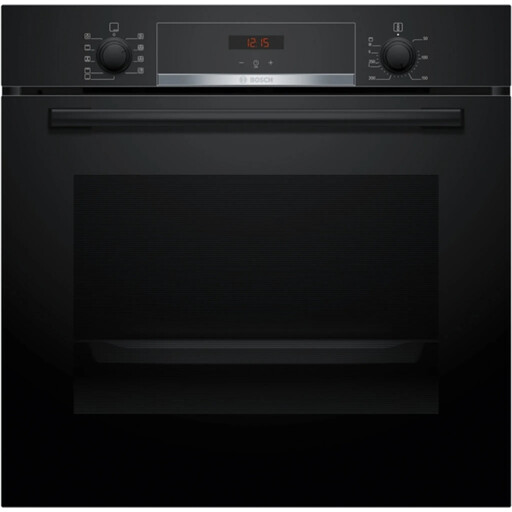
Bosch HBA514BB3 built-in oven, 71 L

Bosch HBA514BB3, 71 L built-in oven

Worth considering if you cook with an oven regularly and have a kitchen unit suitable for a built-in model.

The product title lists a capacity of 71 L and the 3D Hot Air function. It also mentions “Double oven”, while the associated information describes a single compartment. Confirm the exact configuration before ordering.

Check the housing dimensions in the model documentation. To compare energy consumption per cycle, make sure you identify the figures for conventional and fan-assisted modes.

View on Joybuy
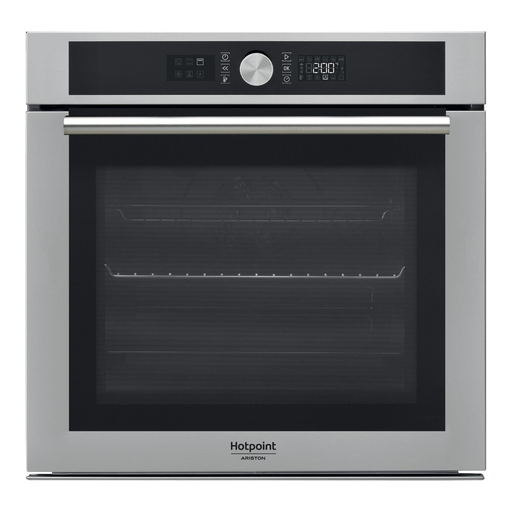
Hotpoint FI4485PIX built-in oven, 71 L, pyrolytic

Hotpoint FI4485PIX, 71 L built-in oven with pyrolysis

Worth considering as your main oven if you’re looking for a 71 L cavity and want to explore a model with pyrolysis cleaning.

The product title specifies an A+ rating. To check whether it will fit your kitchen unit and compare energy consumption, consult the housing dimensions and per-cycle figures for the exact model. The rating alone isn’t enough.

View on Joybuy

Frequently asked questions

Which type should I choose if I cook with an oven several times a week?

Start by considering a built-in oven if you prepare large dishes or cook on several shelves and have a suitable kitchen unit. If space is limited, check that your dishes will fit in a mini oven. A combination microwave is better suited to you if reheating and defrosting are important too.

How can I compare the energy consumption of these appliances?

For an oven covered by the energy label, compare the capacity and energy consumption per cycle for the modes listed. According to the European Commission, small ovens and appliances with a microwave heating function are excluded from the scope of this label. So don’t compare their energy use directly using the rating of a built-in oven.

Do I need pyrolysis cleaning if I use my oven frequently?

No. Choose a cleaning system that suits how you want to clean your oven and the instructions for the model. Pyrolysis is an option to consider, not a requirement for regular oven cooking.

What should I check before buying a built-in oven?

Measure the housing and compare it with the installation dimensions and manual for your chosen model. If you’re unsure about the kitchen unit or existing installation, ask a qualified professional for advice rather than attempting to fit or connect the oven yourself.

Can a combination microwave be used as a main oven?

It may suit this purpose if its cooking functions and cavity are right for the dishes you usually prepare. Check the size of any turntable and which containers are suitable too. Saving space doesn’t guarantee that it will accommodate the same dishes as your current oven.