Households that mainly reheat meals
If you reheat leftovers and defrost food without needing to brown or crisp dishes, start by comparing solo microwaves. Check that the capacity, turntable and dimensions work for your dishes and kitchen.


A solo microwave is a good choice if you mainly reheat and defrost food. Choose a model with a grill if you also want to brown dishes, or a combination microwave with convection if you plan to use it for cooking. A combination microwave won’t automatically replace an oven: in a comparison of four combination ovens and ten convection ovens published by ADEME and the Institut national de la consommation, the models tested showed no clear advantage. If steaming is important to you, check the specific model’s function and whether it requires an accessory or water tank.
If you reheat leftovers and defrost food without needing to brown or crisp dishes, start by comparing solo microwaves. Check that the capacity, turntable and dimensions work for your dishes and kitchen.
A microwave with a grill lets you brown or crisp food as well as reheat it. Check which settings are available and which accessories are designed for your chosen model; a grill doesn’t provide the same functions as convection.
A combination microwave with convection is worth considering if you’ll use its cooking functions regularly. Measure the space and check the installation requirements before relying on it for some of the jobs you’d usually do in your oven.
Consider one if: reheating and defrosting make up most of your microwave use.
Limitation: a solo microwave won’t meet your needs if you regularly want to brown food or cook using convection.
Consider one if: you mainly reheat food but would also like to brown or crisp dishes from time to time.
Limitation: having a grill doesn’t mean the appliance has convection.
Consider one if: you’ll genuinely use convection to cook meals as well as reheat food.
Limitation: ADEME and the Institut national de la consommation found no clear advantage for the four combination ovens they tested compared with the ten convection ovens in their study.
| Feature | What to check | What I need |
|---|---|---|
| Cooking functions | Check the instructions for microwave, grill, convection and combination settings separately. Don’t assume you know what an appliance can do from its product name alone. | Do I mainly reheat cooked meals, or do I also need to brown dishes and cook food using convection? |
| Available space | Compare the external or housing dimensions, cavity size and turntable size. Follow the clearances specified in the instructions and don’t block the ventilation openings, as Whirlpool France advises. | My dishes need to fit inside, and the appliance needs to fit in my kitchen without obstructing ventilation. |
| Using a combination microwave | Check that it has the functions you need for your dishes and review the installation requirements. The comparison by ADEME and the Institut national de la consommation, which covered four combination ovens and ten convection ovens, found no clear advantage for the combination models tested. | If I plan to use my oven less, the combination microwave needs to handle the dishes I cook regularly, not just reheat food. |
| Steam cooking | Check that the model has a steam programme, then find out whether it needs an accessory or water tank and whether its capacity suits your portions. The models described by Whirlpool France and Panasonic France don’t necessarily use the same equipment. | Will I use steam often enough to check how it works and whether there’s room for the portions I want to cook? |
| Packaging | Check that the packaging is suitable for microwave reheating, then follow the stated power level and time. Anses warns that prolonged heating increases the risk of substances migrating from certain types of packaging. | I sometimes reheat food in its packaging and want to be able to follow the instructions for doing so. |
A grill browns food, while a combination microwave with convection offers other cooking functions. A grill alone may not be suitable for the meals you want to prepare.
Make a note of the dishes you cook regularly, then check the model’s instructions to see which cooking functions it offers.
In its comparison of four combination ovens and ten convection ovens, ADEME and the Institut national de la consommation found no clear advantage for the combination models tested.
Assess a combination microwave based on the dishes you cook, its functions and its capacity, rather than assuming it will replace everything you use your oven for.
An appliance may fit on a worktop or in a cupboard even if the installation requirements for that model aren’t met. Whirlpool France advises against blocking the ventilation openings.
Compare the available width, height and depth with the model’s dimensions, then follow the requirements in its instructions, especially for built-in installation.
According to Anses, prolonged heating increases the risk of substances migrating from certain types of packaging into food.
Only use the packaging if it’s suitable for this purpose, and follow the stated power level and heating time.
This selection includes solo microwaves, a model with a grill and combination appliances. Compare their specific functions with your needs before choosing.
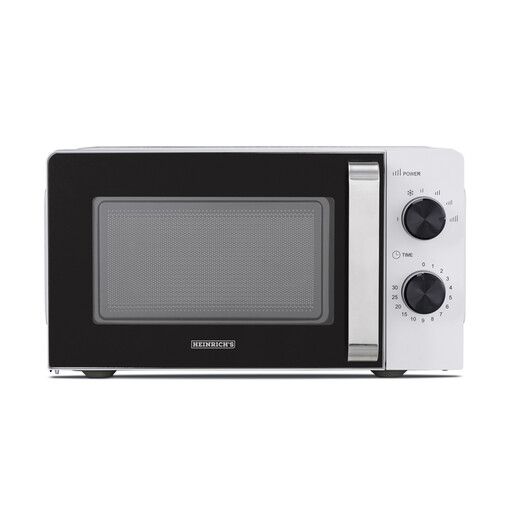 Image unavailable
For everyday reheating and defrosting: the product title lists six power levels, a 30 min timer and a turntable. Check the dimensions and clearance requirements in the instructions before deciding where to put it.
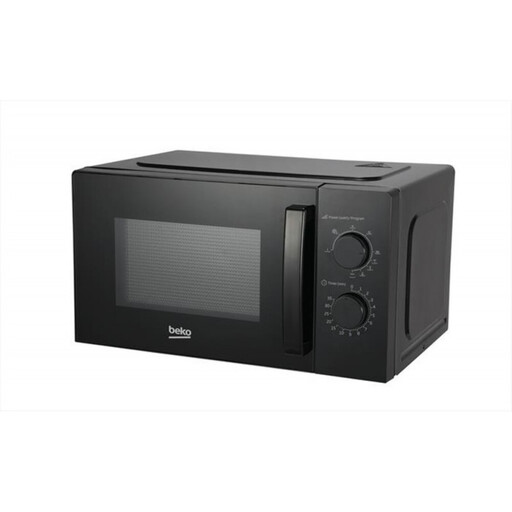 Image unavailable
Worth considering if you’d like to brown dishes as well as reheat them. Check which microwave and grill combination settings are available, which accessories are included and how much space you’ll need for installation; the 700 W in the product title doesn’t specify the grill’s power.
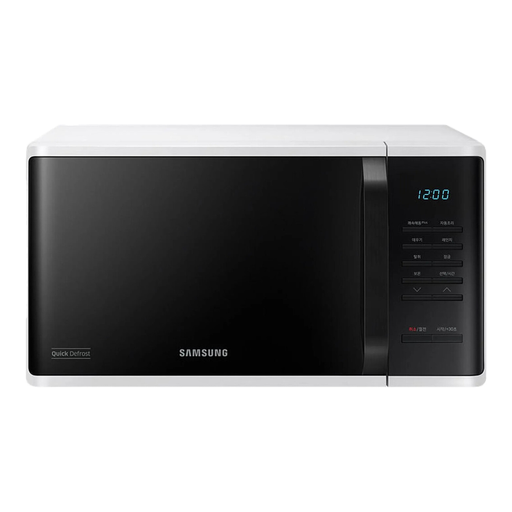 Image unavailable
A solo model to consider for reheating and the quick defrosting mentioned in its product title. It lists 1150 W but doesn’t specify what this power rating refers to here. Check the product details, and consult the instructions for the dimensions and ventilation requirements.
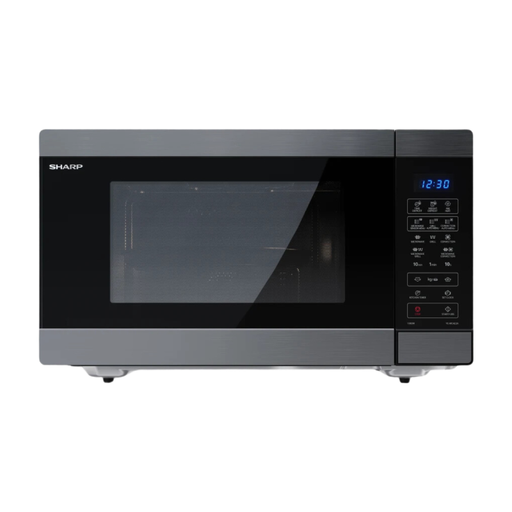 Image unavailable
Worth a look if you want to prepare meals as well as reheat them. Check the instructions to find out what the three functions are, what size dishes it can accommodate and what ventilation the installation space requires.
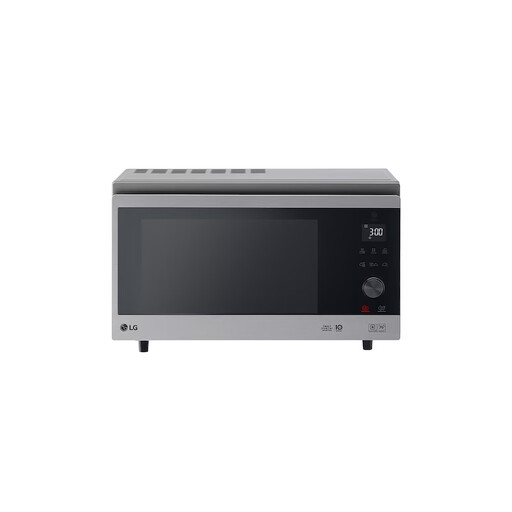 Image unavailable
If you’re looking for different ways to cook as well as reheat, compare this combination microwave’s functions with the meals you usually make. For steam cooking, confirm that it has a steam programme and check which accessory is required. Also check the installation requirements in the instructions.
It can handle some cooking tasks if its functions and capacity suit the dishes you make, but whether it’s a good replacement depends on how you use your oven. In a comparison of four combination ovens and ten convection ovens, ADEME and the Institut national de la consommation found no clear advantage for the combination models tested.
A solo microwave is mainly for reheating and defrosting; a grill gives you the option to brown food. Depending on the model, a combination microwave may offer other functions, including convection. Check the list in the instructions rather than relying on the term ‘combination’ alone.
Compare the appliance’s dimensions with the available space, then follow the installation and ventilation instructions. For a built-in model, check the housing dimensions too. Whirlpool France advises that the ventilation openings must not be blocked.
Yes, if the packaging is suitable for this purpose and you follow its instructions. Anses recommends sticking to the stated power level and heating time: prolonged heating increases the risk of substances migrating from certain types of packaging into food.
No. You’ll need to check each model to see whether it has a steam function. The appliances described by Whirlpool France and Panasonic France show that steam cooking may require an accessory or water tank. Check that the capacity is suitable for your portions, too.