Studio-flat tenant cooking individual portions
To reheat and defrost without cluttering your worktop, start by comparing the external dimensions, the usable space inside the cavity and the ventilation clearances.


For reheating and defrosting individual portions, a freestanding solo microwave is generally the simplest and most space-saving choice. Add a grill if you regularly brown or gratinate dishes, and only consider a combination model if you genuinely cook without a practical oven, after measuring the appliance, door opening and required clearances.
To reheat and defrost without cluttering your worktop, start by comparing the external dimensions, the usable space inside the cavity and the ventilation clearances.
A grill model is suitable if you want to brown certain dishes while keeping everyday reheating as its main purpose, without automatically opting for a combination model.
A combination model is worth considering when its cooking functions genuinely replace an inaccessible or unavailable oven, provided your furniture can accommodate its size and ventilation requirements.
| Priority | What to check | Your needs |
|---|---|---|
| Space and ventilation | Measure the width, height, depth and door swing. Add the clearances specified in the manual and do not block the vents. | I want to position the appliance without losing all my worktop space or restricting airflow. |
| Everyday reheating | Compare the reheating and defrosting modes and the number of power levels. Choose controls that suit your routine. | My meals, drinks and frozen portions should be easy to heat without unnecessary settings. |
| Containers and portions | Compare the turntable diameter with your plates and dishes. For a cavity without a turntable, check the internal dimensions and included accessories. | My usual dish must fit and turn properly, not merely match the stated capacity in litres. |
| Cooking functions | A grill is used to brown or gratinate food. Check the combination model’s functions, dimensions and weight before choosing it as an alternative to an oven. | I only want to pay for a grill or combination model if I will regularly use the additional cooking functions. |
A microwave may fit on a shelf while still lacking enough room for proper ventilation.
Before ordering, measure the width, depth, height, door opening and ventilation clearances, then follow the manual for your chosen model.
A dish that is too wide for the turntable may stop it rotating and make everyday use more difficult.
Measure your main plate or dish and compare its diameter with the turntable or the published internal dimensions.
A combination model may be deeper and heavier than a compact solo microwave, without improving everyday reheating in a small space.
List the dishes you will genuinely cook without an oven : if you only rarely reheat, defrost and gratinate, compare a solo and a grill model first.
Metal materials or certain unsuitable papers can cause sparks inside the cavity.
Use containers explicitly labelled as microwave-safe and remove any metal elements before heating.
The range reviewed includes freestanding solo, grill and combination models, making it useful for comparing capacity, dimensions and cooking functions.
Samsung separates its standard, grill and convection models, with installation guidance for freestanding microwaves.
The GE2626W is an example of a freestanding, mid-capacity grill microwave for larger dishes.
These Joybuy options include solo and grill microwaves for reheating, defrosting and occasionally preparing small portions in a compact kitchen.
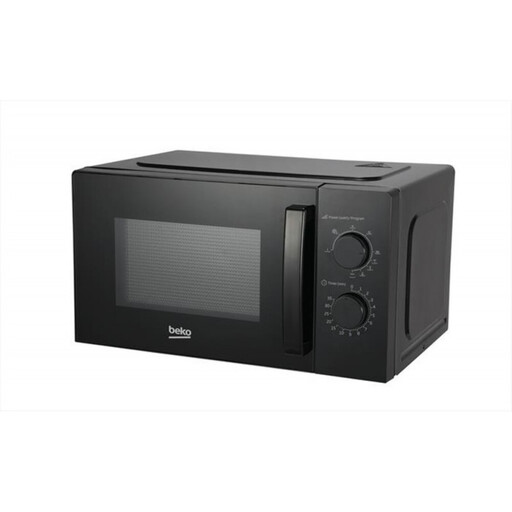 Image unavailable
For everyday reheating and defrosting, with a grill function for occasional browning.
20 L, 700 W, 800 W grill, 245 mm turntable, 9 power levels and dimensions of 45,2 × 35,3 × 26,2 cm. Compare the turntable with your usual dish and check the manual for the required clearance above the appliance.
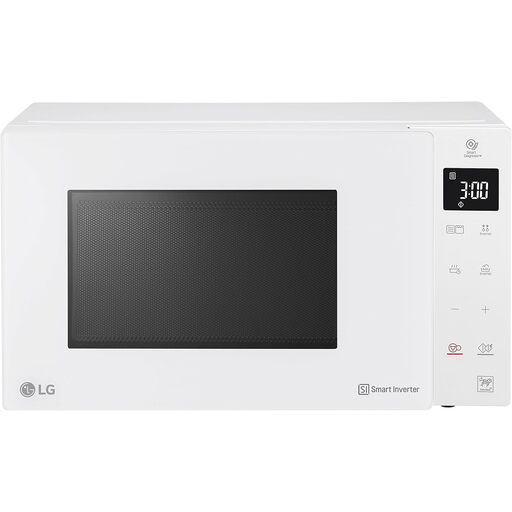 Image unavailable
A freestanding option for reheating, defrosting and gratinating, with guided settings.
25 L, 29,2 cm turntable, 950 W quartz grill, automatic programmes and dimensions of 47 × 26 × 37 cm. Measure the space and check the model’s ventilation and connection requirements.
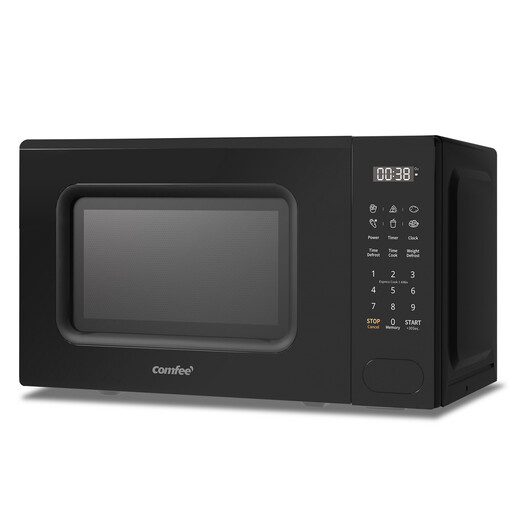 Image unavailable
A solo model for reheating or defrosting individual portions in a compact space.
20 L, 700 W, 6 pre-set menus, 11 power levels, express start and dimensions of 440 × 319 × 259 mm. Check the internal dimensions, turntable and installation instructions before deciding where to place it.
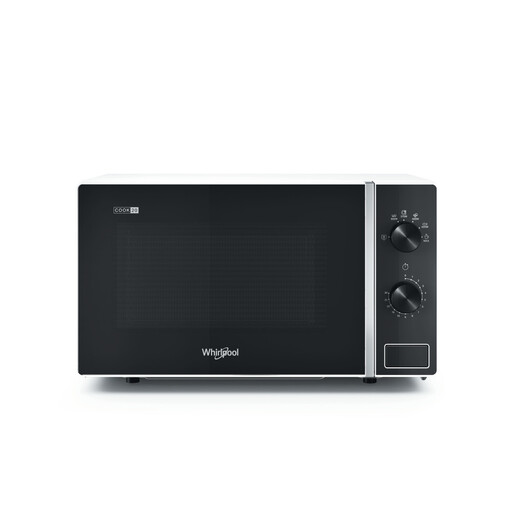 Image unavailable
A solo option for reheating meals and drinks with simple mechanical controls.
20 L, 700 W, 245 mm turntable, six power levels, 30-minute mechanical timer and dimensions of 452 × 362 × 262 mm. Leave 10 cm of free space around the appliance and check the manual if defrosting is essential.
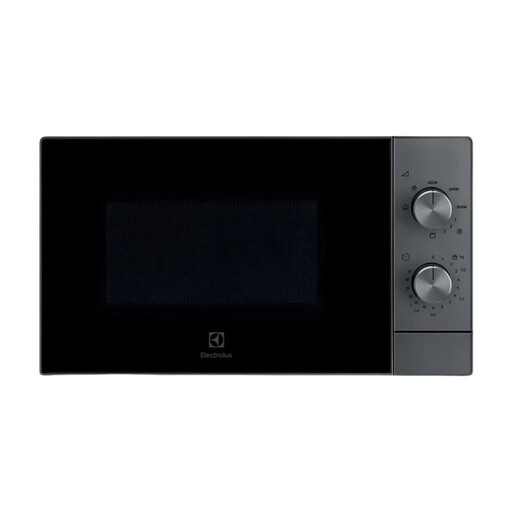 Image unavailable
For reheating, defrosting and occasional gratinating when there is sufficient clear space on the worktop.
21 L, 800 W, 1 000 W grill, 24,5 cm turntable, eight programmes and dimensions of 55 × 42 × 34 cm. Check the stability of the support, allow 10 cm on the sides and 20 cm above, and make sure the earthed socket is accessible.
First, follow the distances specified in the manual for your chosen model. Samsung France recommends leaving at least 10 cm at the back and on the sides, as well as 20 cm above ; the vents must remain unobstructed.
No : capacity does not guarantee that a container will fit properly. Check the turntable diameter and, where published, the internal dimensions ; for example, the Whirlpool MWP201SB reviewed has a 24,5 cm turntable.
In particular, avoid metal dishes, aluminium foil, paper bags, metal ties and materials labelled as unsuitable for microwave use. Also check the instructions for both the container and the appliance.
A grill meets the need to brown or gratinate food. A combination model becomes worthwhile if you will regularly use oven-like functions ; otherwise, its additional size may be difficult to justify in a studio flat.
Yes. Check that the socket is compatible and follow the appliance manual’s instructions. Promotelec reminds us that an earth connection is an essential protective feature in a communal electrical installation ; do not attempt to alter an installation that appears faulty yourself.