Student who mainly reheats single portions
If you mainly use your microwave for reheating and defrosting, a solo model lets you focus on dish size and easy-to-use controls rather than extra cooking functions.


If you mainly want to reheat and defrost portions, start by looking at a solo microwave. A grill model is worth considering if you regularly want to brown or crisp food; a combi microwave only makes sense if you’ll also use the fan oven function. In a small home, measure the space, allow for the clearances specified in the manual and check your accommodation’s rules before choosing.
If you mainly use your microwave for reheating and defrosting, a solo model lets you focus on dish size and easy-to-use controls rather than extra cooking functions.
If you reheat meals but also regularly cook dishes you want to brown, consider a grill model. According to Que Choisir, this function adds browning to microwave cooking.
If you often cook using oven-style heat, a combi microwave may be worth considering. Check it will fit on your worktop and, if you live in student accommodation, check the rules for the appliance you’re considering.
For a studio flat or small home, start with the meals you actually make: reheating, browning and fan-assisted cooking all call for different functions.
Choose this if: reheating and defrosting cover most of your meals.
Bear in mind: it doesn’t have a grill for browning or a fan oven function.
Choose this if: you also want to brown or crisp your food regularly.
Bear in mind: a grill doesn’t mean the appliance has a fan oven function.
Choose this if: you don’t have an oven and will actually use the fan oven function.
Bear in mind: its external dimensions and ventilation requirements can make it tricky to fit in a small kitchen.
| What to consider | What to check | Who it matters to |
|---|---|---|
| Reheating and space | Compare the external dimensions, turntable diameter and size of your dishes; allow for the ventilation specified in the manual. | I mainly reheat single portions and want to keep space for preparing meals; around 36% of consumers would prioritise this need. |
| Containers and accommodation rules | Check the information on your containers, then check your accommodation’s rules for the type of appliance you’re considering. | Before choosing extra functions, I need to be able to use my containers and install the appliance where I live; around 29% of consumers would make this their priority. |
| Browning | Check that the microwave has a grill and read the instructions for its accessories and different settings. | I want to brown some dishes without needing fan-assisted cooking; around 21% of consumers would prioritise a grill for this reason. |
| Oven-style cooking | Check the cooking functions, external dimensions and ventilation clearances. | Without a conventional oven, I plan to use the fan oven function regularly; around 14% of consumers would prioritise this over reheating alone. |
A combi microwave offers cooking functions you’re unlikely to use if you mainly reheat portions. Que Choisir also highlights the difference in cost compared with a basic microwave.
Make a note of the dishes you usually cook. Choose a grill or combi model if browning or fan-assisted cooking meets a genuine need.
The cavity capacity doesn’t tell you whether the appliance, your dishes and the required clearances will fit. For example, Whirlpool gives the external dimensions of its 25 L MCP349WH combi microwave as 52 × 30,1 × 49,4 cm.
Measure the space and your dishes, then compare them with the model’s external dimensions, turntable and ventilation instructions.
According to Anses, reheating food at too high a power or for too long can increase the transfer of substances from packaging into food.
Follow the container’s label, including its microwave compatibility and instructions for use. If it isn’t marked as microwave-safe, transfer the food to a suitable container; don’t use metal cookware in a microwave.
The range includes freestanding, grill and combi microwaves, so you can compare them based on the cooking functions you need.
Samsung France’s buying guide distinguishes between standard, grill and combi models.
The brand offers grill microwaves that combine reheating with browning.
These models are suited to reheating meals in a small home; some also have a grill if browning food is part of your routine. Compare their dimensions and installation requirements before choosing one.
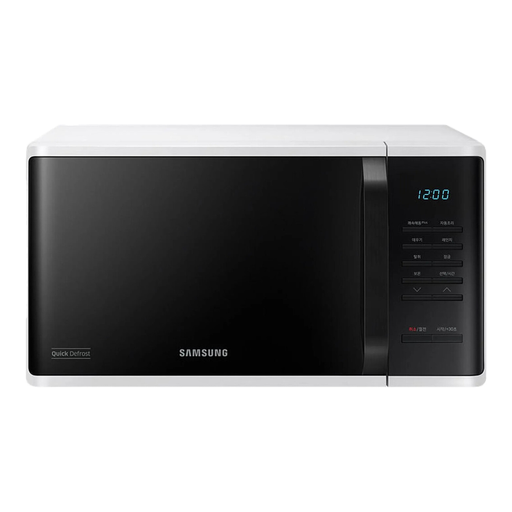 Image unavailable
For reheating and defrosting portions without needing a grill. The model name indicates a capacity of 23 L and an LED display; check how much space you’ll need to install it.
 Image unavailable
For reheating meals when you also want to brown some dishes. The model is listed with a grill and a capacity of 20 L; if you live in student accommodation, check that this appliance complies with the applicable rules.
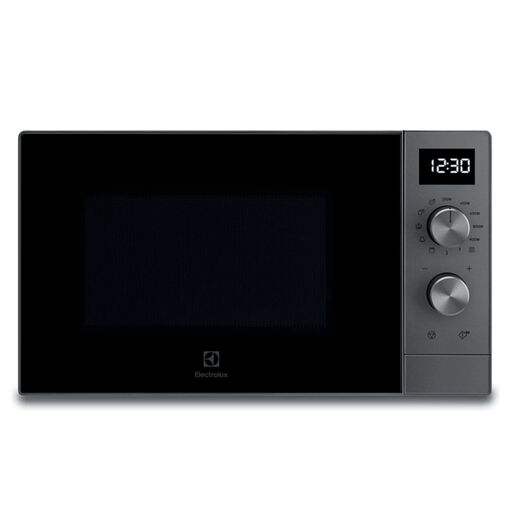 Image unavailable
For combining reheating and browning if you have enough space. The model name indicates a grill and a capacity of 25 L; don’t assume that the grill function also means it has a fan oven function.
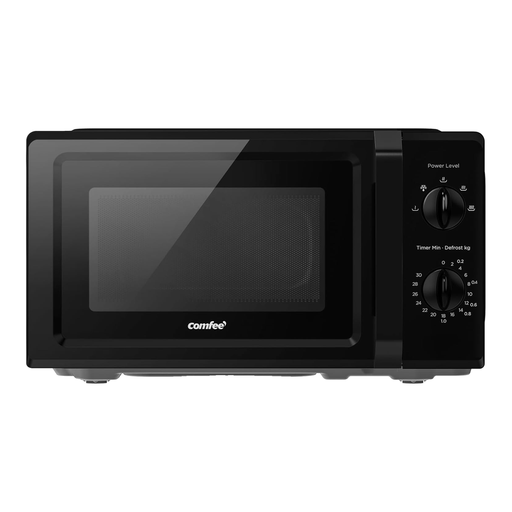 Image unavailable
For reheating and defrosting portions, with several power settings. The model is listed with five power levels, a 30 min timer and a 245 mm turntable; check its external dimensions, ventilation requirements and electrical compatibility before deciding where to put it.
The rules published by Crous allow microwaves in Crous accommodation. However, read the rules you agreed to in your tenancy agreement before installing your chosen model, particularly if it has a grill or other cooking functions.
No. Check that the container is microwave-safe and follow its instructions on power and heating time. Anses warns that excessive reheating can increase the transfer of substances from packaging into food.
Measure the space available for the appliance’s external dimensions and the ventilation clearances required by its manual. Also check that your plates and dishes will fit in the cavity and on the turntable.
Yes. According to the French Ministry of the Economy, the legal guarantee of conformity applies to new, second-hand and refurbished goods sold by a retailer to a private customer in France. Keep your proof of purchase and the product description if the item doesn’t match what was advertised.