Student or renter who mainly reheats food
You mostly heat up or defrost portions. A simple model lets you focus on the space you have and controls suited to the way you’ll use it, without paying for cooking modes you don’t need.


If you mainly reheat and defrost meals, choose a simple microwave; a model with a grill is useful if you occasionally want to brown or crisp the top of a dish. If you don’t have a conventional oven, a combination microwave with convection can also handle some oven-style cooking, provided you’ll actually use that setting and have room for the appliance, with the door open and vents unobstructed.
You mostly heat up or defrost portions. A simple model lets you focus on the space you have and controls suited to the way you’ll use it, without paying for cooking modes you don’t need.
You reheat meals every day, but would sometimes like to toast a slice of bread or brown the top of a dish. A microwave with a grill is suited to this, without confusing browning with convection cooking.
If oven cooking is a regular part of your meals, it’s worth considering a combination microwave with convection. Measure the space carefully and check its cooking modes before relying on it for these dishes.
Choose this: when reheating and defrosting account for most of your meals.
Bear in mind: this type of appliance doesn’t do the job of a grill or a convection oven.
Choose this: if you’d also like to brown or crisp the top of a dish occasionally.
Bear in mind: the grill doesn’t replace convection for oven-style cooking.
Choose this: if you don’t have a conventional oven and plan to cook dishes that need this setting regularly.
Bear in mind: there are more functions to get to grips with, and you’ll need to check the dimensions of the specific model.
If you don’t have a conventional oven and your kitchen is small, start with the way you’ll use the appliance most. Then compare the dimensions and features of the model you’re considering with the meals you usually make.
| What you need | What to check | Who it’s for |
|---|---|---|
| Reheating and defrosting | Defrost programmes and enough room for the plates you usually use. | I want to heat up everyday portions and defrost food without lots of different cooking modes; around 40% of consumers are said to prioritise these uses. |
| Occasional browning or crisping | Grill setting, suitable accessory and usable space beneath the grill. | I mainly want a grill for finishing a gratin or browning a slice of toast now and then; this would be the priority for around 30% of consumers. |
| Cooking without a conventional oven | Convection and available temperatures; external dimensions and ventilation instructions. | Without a conventional oven, I need to cook dishes regularly, not just reheat food; around 30% of consumers would put this need first. |
The internal capacity doesn’t tell you the external dimensions or the size of the turntable. Two appliances with similar capacities can take up different amounts of worktop space.
Compare the height, width, depth and turntable diameter, then measure the space available, including the room needed to open the door.
Convection is mainly useful if you plan to cook oven-style dishes. If you’ll mainly be reheating food, these extra functions may end up going unused.
Think about the meals you make regularly. If you’re unlikely to brown food or cook using convection, start by looking at simple models that fit your space.
Whirlpool says that blocked ventilation openings can cause the appliance to overheat.
Keep the vents clear and follow the installation instructions in the manual for the model you choose.
UFC-Que Choisir assesses reheating and defrosting separately in its testing process. The stated power rating alone doesn’t tell you how well an appliance performs in these areas.
If these results matter to you, look for tests of the exact model that assess how evenly it reheats or defrosts food.
The range includes models with a grill and combination models with convection.
The range includes freestanding microwaves as well as combination models.
The range lets you compare standard, grill and combination microwaves.
These models are suited to reheating and defrosting, with or without a grill for occasional browning or crisping. For each one, check the installation requirements for the space you have in mind.
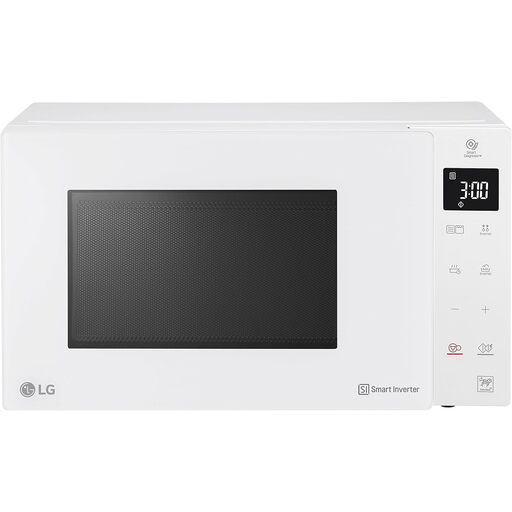 Image unavailable
For reheating, with a grill for the occasions when you want to brown or crisp a dish.
Stated capacity: 25 L; stated power: 1,000 W. Check the manual for ventilation clearances and the space needed to open the door.
 Image unavailable
For everyday microwave use, with the option to brown or crisp food occasionally.
Stated capacity: 20 L; stated power: 700 W. Also measure the space available to open the door.
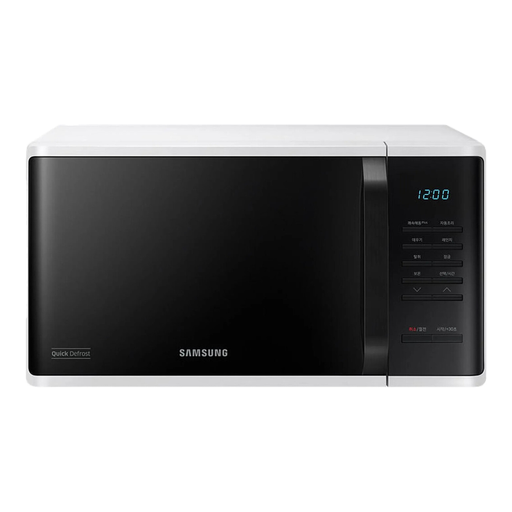 Image unavailable
For prioritising reheating and defrosting over browning or convection cooking.
Stated power: 1,150 W; LED display. Before installation, check the manual for ventilation clearances and measure the space needed to open the door.
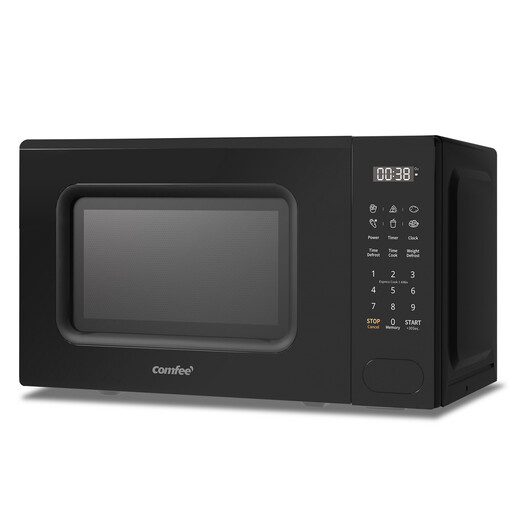 Image unavailable
For reheating and defrosting with digital controls in a small kitchen.
Stated capacity: 20 L; stated power: 700 W; 11 power levels and six preset menus. Check the required ventilation clearances before installation.
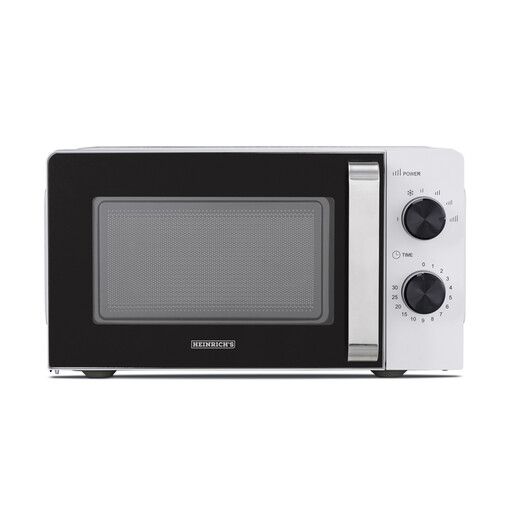 Image unavailable
For a studio flat where reheating and defrosting are the main requirements.
Stated power: 700 W; six power levels and a 30-minute timer. Measure the space and check the manual for ventilation clearances.
Yes, if you mainly need to reheat and defrost food, or make simple dishes in the microwave. If you regularly want to roast food or bake, consider a combination model with convection instead, and check its cooking modes and dimensions.
No. A grill browns or crisps the top of a dish, while convection is a different cooking mode. Choose based on what you plan to cook, and check the features of the specific model.
Measure the available height, width and depth, and don’t forget to allow room to open the door. Also follow the clearance and ventilation instructions in the manual for the model you choose.
No. The stated power rating alone doesn’t tell you how evenly an appliance reheats or how well it defrosts food. If these factors are important, look for tests of the exact model; UFC-Que Choisir assesses them separately in its testing process.