Student or studio flat dweller
If you mainly reheat and defrost food, a solo model may be all you need. Be sure to measure your worktop and allow for the ventilation clearance specified in the instructions.


If you mainly want to reheat and defrost food in a small kitchen, choose a solo microwave; add a grill if you’d also like to brown or crisp food from time to time. A combination microwave with convection is worth considering if you genuinely plan to cook meals in it instead of using an oven, provided its dimensions and installation requirements suit your home.
The right range of features depends first on the meals you prepare and how much space you can give the appliance.
If you mainly reheat and defrost food, a solo model may be all you need. Be sure to measure your worktop and allow for the ventilation clearance specified in the instructions.
For occasional meals, start with the dishes you usually prepare: a grill is useful for browning or crisping food, while a combination microwave with convection suits cooking needs more like those of an oven.
If you also need to cook or brown dishes, look at the cooking modes on a combination microwave. Check that its dimensions, weight and cavity suit the space available and the dishes you use.
First choose the cooking modes you’ll actually use, then check how much room the appliance needs and what’s required for installation.
Choose this if: you mainly reheat and defrost food, and don’t expect it to brown food or cook with convection.
Limitation: it won’t replace an oven for dishes that need browning.
Choose this if: you’d like to brown or crisp food from time to time as well as reheat meals.
Limitation: the grill doesn’t provide convection for recipes that require it.
Choose this if: you plan to use convection regularly because you don’t have a practical oven.
Consideration: check the model’s depth and weight carefully before deciding where to put it.
| Consideration | What to check | What I need |
|---|---|---|
| Cooking modes | Check which functions are available: microwave, grill and convection. UFC-Que Choisir explains that a grill is used to brown or crisp food, while a combination model adds convection cooking. | Do I mainly reheat meals, or do I genuinely need to brown and cook them as I would in an oven? |
| Available space | Compare the appliance’s external width, depth and height, then check the cavity or turntable size against the dishes you use. Also consider its weight if you’ll need to move it. | My worktop needs to fit the appliance without making it difficult to use my usual plates and dishes. |
| Installation | Check the model’s instructions for clearances and electrical supply requirements. Whirlpool France reminds users to keep the ventilation openings clear. | In a narrow kitchen, I need to be able to position the microwave without blocking its vents or assuming it will fit in an enclosed cupboard. |
| Everyday use | Check the modes that suit your recipes, the controls, access to the cavity and guidance on containers. Don’t assume that more programmes automatically mean better cooking results. | I’d rather have controls suited to the meals I prepare than features I won’t use. |
A microwave with a grill can brown or crisp food, but that doesn’t give it the convection cooking mode found in a combination model, as UFC-Que Choisir points out.
Make a note of the recipes you want to cook without another oven. If they need a controlled cooking temperature and convection, make sure the model you’re considering explicitly offers that mode.
The cavity capacity doesn’t tell you how much worktop space the appliance will take up. External dimensions and ventilation requirements matter too, especially in a small kitchen.
Measure the width, depth and height of the space, then check the model’s instructions to make sure its vents can remain clear.
A container suitable for microwave use isn’t necessarily suitable for the grill or convection. UFC-Que Choisir advises using plastic only in microwave mode.
Check the guidance for both the container and the appliance for each mode, and don’t use a sealed container.
These examples show how features and formats can differ; a feature of one particular model won’t necessarily apply to every product from that brand.
The freestanding range includes solo and combination models, making it worth comparing if you’re choosing between straightforward reheating and cooking with several modes.
The EMZ421MMK is an example of a freestanding microwave with a grill, worth considering if you want to brown or crisp food occasionally.
The NN-E20JW and NN-C69K are useful examples for comparing a solo model with a combination microwave.
These freestanding microwave options on Joybuy are designed for reheating and defrosting in a small home; some models also include a grill. Check the modes and installation instructions for each model before choosing.
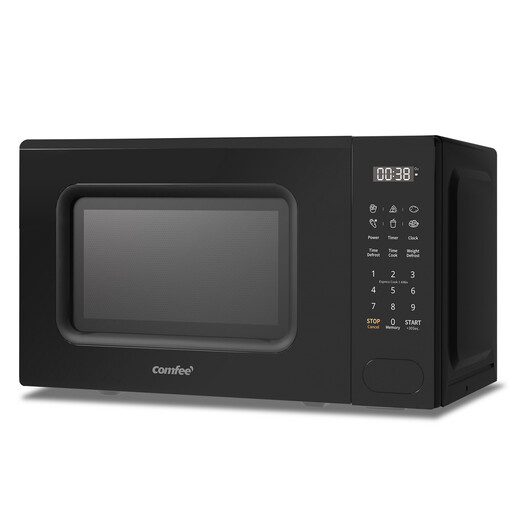 Image unavailable
Worth considering if you mainly need to reheat and defrost food. This solo model is listed as having a 20 L capacity and 700 W of power; measure the space available and check the ventilation instructions before installation.
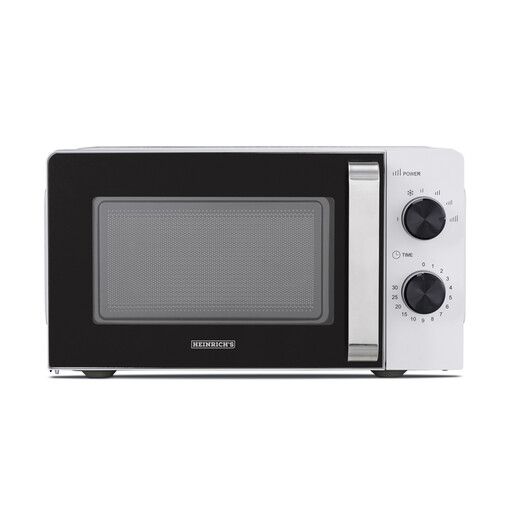 Image unavailable
For a temporary kitchen where you mainly reheat and defrost food, this solo model is listed as having a 20 L capacity, 700 W of power, six power levels and a 30-minute timer. Check the instructions to confirm the ventilation clearance it needs.
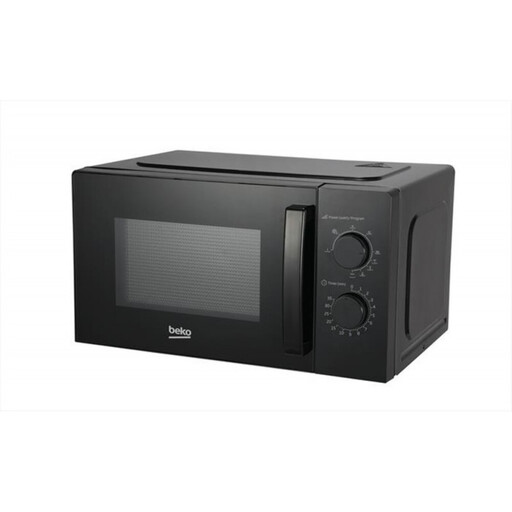 Image unavailable
Worth considering if you’d like to brown or crisp food occasionally as well as reheat meals. The model name lists a 20 L capacity and 700 W of power; check the instructions for ventilation clearances and the electrical requirements for your installation.
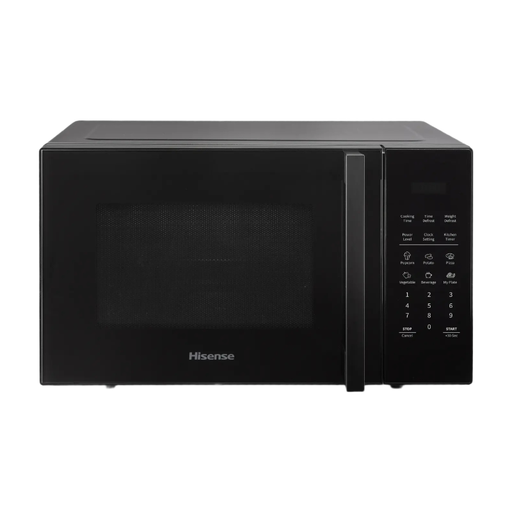 Image unavailable
Its listed 25 L capacity may appeal if you use larger dishes. Before choosing it for browning or crisping food, check the H25MOBS7H’s modes in the instructions and measure the clearance needed around the appliance.
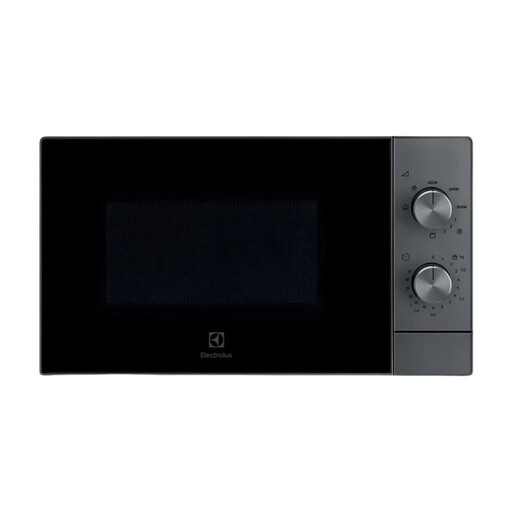 Image unavailable
This freestanding model combines reheating with browning or crisping: the Joybuy France product page lists a 21 L capacity, 800 W microwave power and a 1 000 W grill. A grill doesn’t mean it offers convection cooking; check its dimensions and required clearances too.
It can handle some oven-style cooking if the model has convection and its cavity is large enough for your dishes. If you mainly reheat and defrost food, you may not need those extra features; check the available space before choosing a combination model too.
Don’t assume you can: installation must follow the instructions for the exact model, and its vents must remain clear. Whirlpool France specifically advises against blocking the ventilation openings.
Check the voltage, amperage, total power and connection instructions for the exact model. For the EMZ421MMK specifically, Electrolux France lists 230 V and 10 A; these figures don’t apply to other models.
No, being suitable for microwave use doesn’t automatically make a container suitable for other modes. UFC-Que Choisir says plastic should only be used in microwave mode, not under the grill or with convection; check the container’s instructions too.