For everyday reheating
If you mainly heat leftovers and drinks or defrost meals, a solo microwave lets you focus on these uses and the space you have available.


If you’ll mainly be reheating and defrosting, choose a solo microwave. A grill model is worth considering if you want to brown dishes from time to time; a combination model may be a good option if you’ll genuinely use its other cooking modes. Whichever type you choose, compare its external dimensions with your available space and check the manual for the required clearances.
If you mainly heat leftovers and drinks or defrost meals, a solo microwave lets you focus on these uses and the space you have available.
If reheating is still your main use, but you’d also like to brown some dishes without adding another appliance, consider models with a grill.
In a studio flat or holiday home, a combination microwave can offer a wider range of cooking options. However, its dimensions and installation requirements must suit the space you have in mind.
In a small kitchen, start with the function you’ll use most, then check how much space the appliance needs, including room to open the door and allow ventilation.
| What you need | What to check | Who it suits |
|---|---|---|
| Simple reheating and defrosting | Compare the external dimensions and how easy the controls are to use; don’t judge the space it takes up by its capacity in litres alone. | If I mainly need to reheat or defrost meals, I’d rather avoid cooking functions I’m unlikely to use. Around 50% of consumers would put simplicity first. |
| Browning dishes from time to time | Check that it has a grill and which containers are suitable for this mode: a container that’s microwave-safe may not necessarily be suitable for grilling. | If I sometimes want to brown a dish, a grill meets that need without me necessarily having to look for a fan oven. Around 30% of consumers would prioritise browning. |
| Other types of cooking | Check that it has the cooking modes you want, and look at its full dimensions and the clearances specified in the manual. | Without a separate oven, I’d also like to cook some dishes in a multifunction appliance, provided it fits in my kitchen. Around 20% of consumers would prioritise these additional cooking options. |
Capacity describes the inside of the microwave, not its external depth, how far the door opens or the space needed for ventilation. An appliance may therefore be too large for your chosen spot, even if its capacity suits you.
Measure the space, compare the model’s full dimensions and check the manual before installing it in an alcove or under a cupboard.
According to UFC-Que Choisir, plastic that’s suitable for microwave mode may melt when used with the grill or convection function.
Only use it in microwave mode if it’s labelled as suitable; for other modes, follow the manual and the instructions on the container.
Anses says that heating food for too long, particularly at an excessively high power, increases the risk of substances from the packaging migrating into the food.
Only microwave the packaging if it’s intended for that use, and follow the stated power, time and conditions.
A combination model offers more cooking modes, but it may also take up more space and require more settings than a solo microwave.
Think about which dishes you’d genuinely cook using its extra functions, then compare the space needed for a grill model and a combination model.
The freestanding EMZ421MMK is an example of a microwave with a grill for browning dishes from time to time.
The freestanding range includes solo, grill and combination models; the MG23K3515AK/EF is an example of a grill model.
The brand offers a range of freestanding solo, grill and combination models for different cooking needs.
The combination NN-C69KSM is an example of an appliance that brings together microwave, grill and convection cooking.
These models are suited to reheating and defrosting, with or without a grill for browning dishes from time to time. Before setting aside a space for your chosen model, check its dimensions and installation instructions.
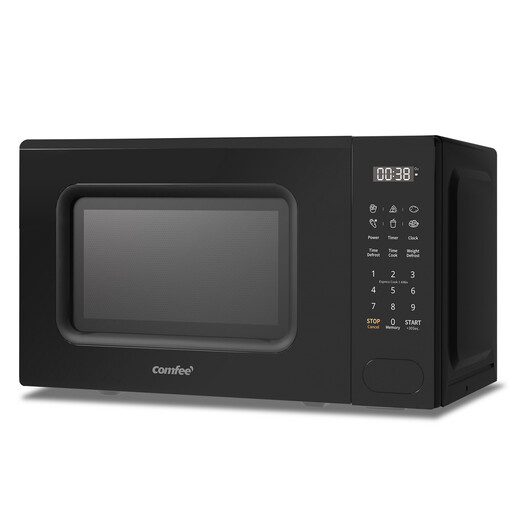 Image unavailable
For reheating and defrosting, without the need for a grill function. The product name lists a power rating of 700 W, six pre-set menus and eleven power levels. Check the manual for the space needed to install it.
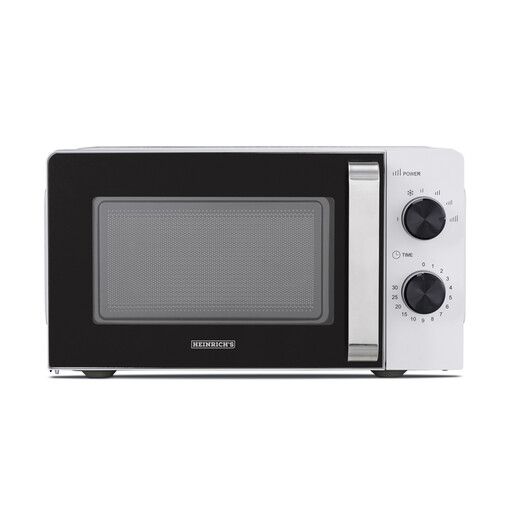 Image unavailable
For everyday reheating and defrosting. The product name lists 700 W, six power levels and a 30-minute timer. Check the manual for installation requirements.
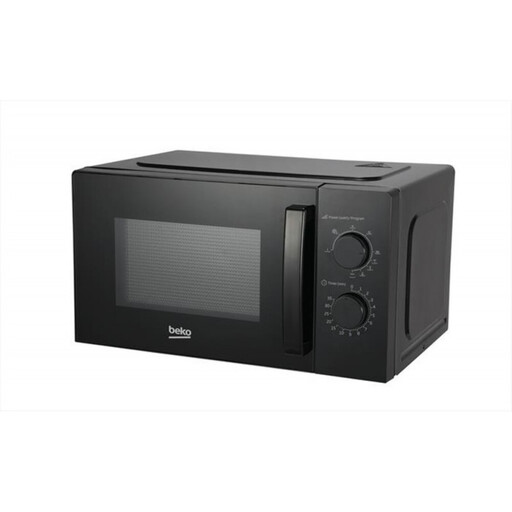 Image unavailable
Adds occasional browning to everyday microwave use. The product name lists a microwave power rating of 700 W. Check the full clearance requirements and door opening space in the manual.
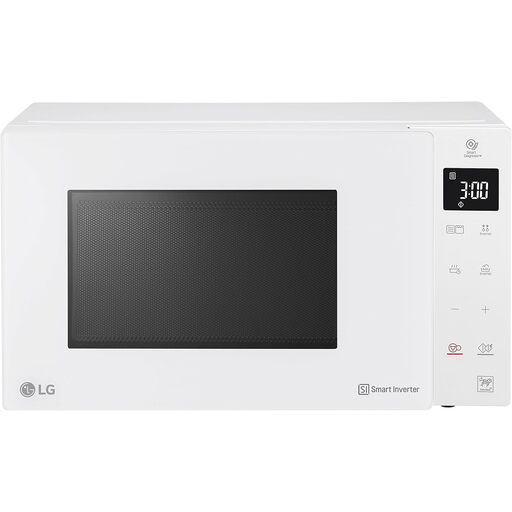 Image unavailable
For a grill as well as reheating and defrosting. The product name mentions a digital display; if the grill’s power rating matters to you, check it with the manufacturer. Also check the installation requirements in the manual.
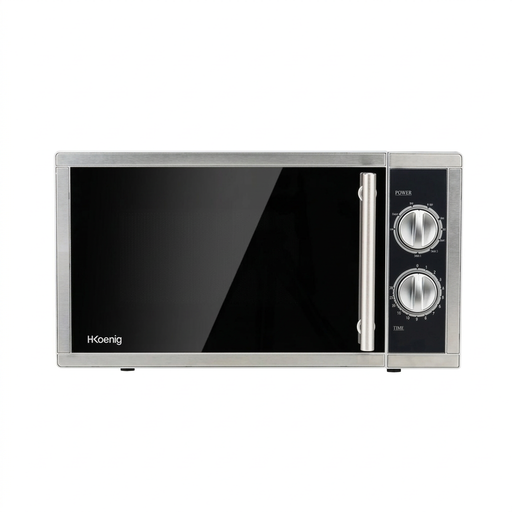 Image unavailable
For reheating and defrosting, with a grill function to consider if you’d also like to brown dishes. The product name lists 900 W. Before placing it on a worktop, check the manual for the required clearances.
Not necessarily. UFC-Que Choisir says that plastic suitable for microwave use should not be used with the grill or convection function. Check the appliance manual and the container instructions for each mode.
Yes, if the packaging explicitly says it’s suitable for this use and you follow its instructions. Anses recommends sticking to the stated power and heating time, as heating food for too long increases the risk of substances migrating into it.
No: it describes the cavity, not the total space required. Measure the space and allow room to open the door, then check the model’s external dimensions and ventilation clearances in its manual.