If you mainly reheat portions
In a studio flat, kitchenette or holiday home, you mainly want to reheat and defrost food and prepare a few simple dishes without taking up too much space.


If you mainly reheat and defrost everyday portions, start by comparing solo microwaves that fit your space. A grill is useful for the occasional golden finish; if you regularly want to cook without a conventional oven, look for a combination microwave with convection. In every case, check the dimensions, the ventilation clearance required and the electrical specifications of the exact model.
In a studio flat, kitchenette or holiday home, you mainly want to reheat and defrost food and prepare a few simple dishes without taking up too much space.
Reheating is still your everyday use, but you’d also like to brown some dishes. According to UFC-Que Choisir, a grill meets this need, but does not provide the convection cooking of a combination microwave.
You also need to cook dishes in the style of an oven. A combination microwave with convection is worth considering, provided it suits the available space and power supply.
According to UFC-Que Choisir, the grill is useful for browning food, while a combination microwave also offers convection cooking. First, choose the functions you genuinely need, then check that your preferred model will fit the space.
Consider it: if reheating, defrosting and simple cooking cover your needs.
Limitation: it cannot brown food or cook using convection.
Consider it: if you’d also like to brown dishes occasionally.
Limitation: a grill alone cannot replace convection cooking.
Consider it: if you regularly need to cook dishes in the style of an oven but don’t have access to a conventional oven.
Limitation: space and installation requirements need particularly careful checking.
| Criterion | What to check | Who is this important for? |
|---|---|---|
| Space and installation | Compare the external dimensions with the space available and check the manual for ventilation clearances. | In a kitchenette, I want the appliance to fit on the worktop without blocking its vents. Around 40% of consumers put this requirement first. |
| Occasional browning | Check that it has a grill setting, and find out which accessories and containers are suitable for this mode. | If I mainly reheat meals but sometimes want to brown a dish, a golden finish matters more to me. Around 30% of consumers put this need first. |
| Oven-style cooking | Look specifically for convection; also check the total electrical power and installation requirements. | Without access to a conventional oven, I need to cook regularly using more than just the microwave function. Around 30% of consumers put this capability first. |
Capacity doesn’t tell you whether the appliance will fit in its intended spot, whether your dishes will fit on the turntable or whether the vents will be left clear.
Measure the space available, then check the external dimensions, door clearance, turntable size and clearances specified in the manual.
According to UFC-Que Choisir, a grill browns food, while a combination microwave also offers convection cooking. These functions therefore serve different cooking needs.
If you regularly plan to cook dishes in the style of an oven, look specifically for “convection” in the model’s specifications.
UFC-Que Choisir points out that plastic suitable for microwave use isn’t necessarily suitable for the grill or convection mode.
Check the container’s markings and the appliance manual for the cooking mode you intend to use.
The built-in dimensions and total electrical power of a combination microwave can differ considerably from those of a freestanding solo microwave.
Before choosing a model, compare its specifications and manual with the space and power supply available.
Panasonic France lists solo, grill and combination models. Compare the specifications of each model rather than assuming the whole range offers the same functions.
Whirlpool France provides information on freestanding microwaves and their installation requirements.
The Electrolux France specifications cited here are for built-in grill and combination models, which are best suited to kitchens designed for this type of installation.
These solo and grill models are mainly suited to reheating, defrosting and simple cooking; the grill model can also brown food occasionally. If you regularly need to cook as you would in an oven, look for a model that specifically offers convection.
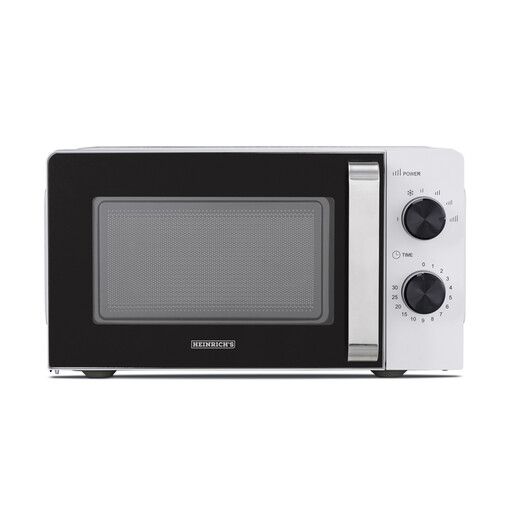 Image unavailable
Worth considering if you mainly reheat and defrost and don’t need a grill function. The product description lists six power levels, a 30-minute timer and a defrost function. Check the manual for the clearances required in your chosen location.
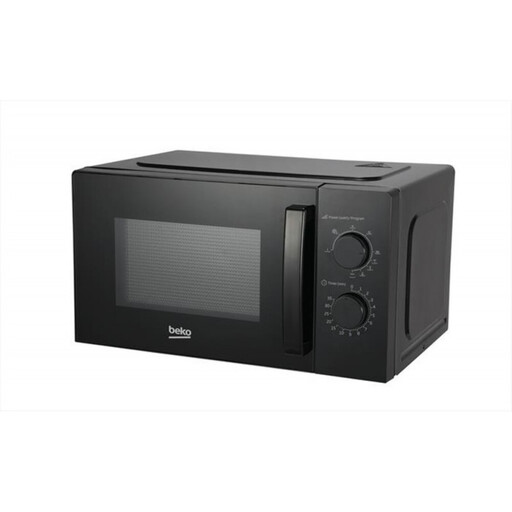 Image unavailable
The grill is useful for occasional browning as well as everyday microwave cooking. The product description lists this model at 700 W; if you need convection, make sure this function is explicitly listed before you buy.
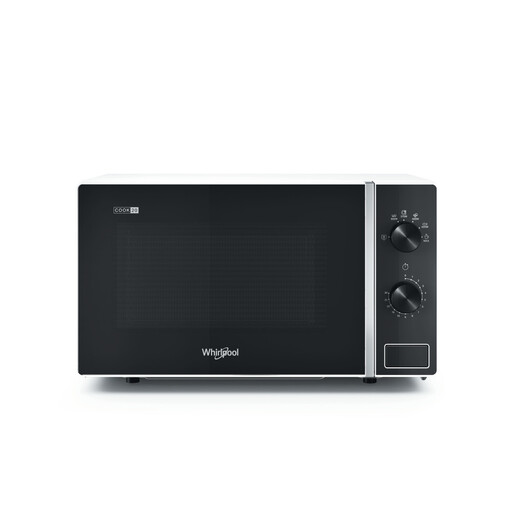 Image unavailable
A solo model to compare if reheating and defrosting are your main uses. The product description lists it at 700 W; check the manual to see how much space to leave around the appliance.
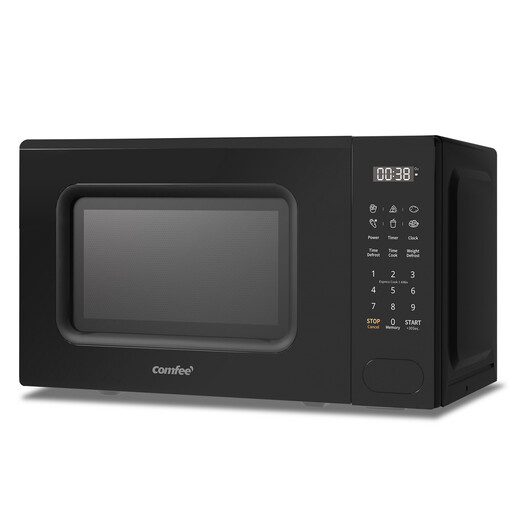 Image unavailable
Worth considering if you’d like preset settings and menus for quick meals. The product description lists 700 W, six automatic menus, eleven power levels and a defrost function. Before choosing, compare the size of your dishes with the internal dimensions.
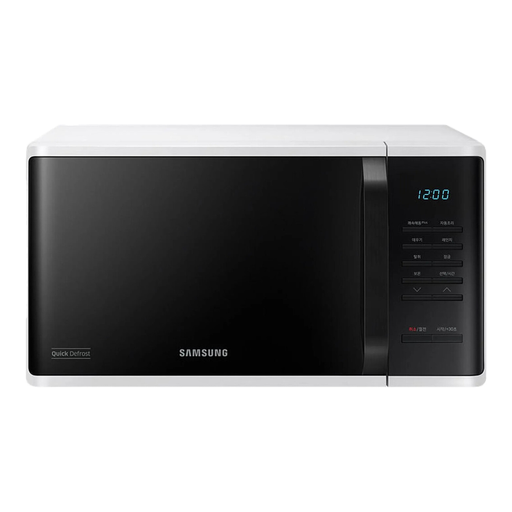 Image unavailable
Compare this solo model if you’re looking for a 23 L capacity and a quick defrost function. Make sure its dimensions and the specified clearances suit your chosen location.
Yes, if you mainly plan to reheat and defrost food and prepare a few simple dishes, without needing to brown anything. Then compare its dimensions and turntable size with your available space and crockery.
A grill can brown food, but it can’t replace convection cooking on its own. According to UFC-Que Choisir, convection is one of the functions offered by combination microwaves. If your cooking depends on it, check that it’s explicitly listed.
Yes. As Whirlpool France points out, its vents must be kept clear. The required clearances vary by model, so check the manual before deciding where to put it.
Check the voltage, plug type and total electrical power of the exact model, then make sure your installation meets its requirements. The specifications for a solo microwave don’t tell you what’s required for a combination model, particularly a built-in one.