You mainly reheat meals
Leftovers, ready meals and food to defrost make up most of what you use it for. A basic microwave is worth considering before oven-cooking functions that you’re unlikely to use often.


For regularly reheating leftovers and defrosting food, a basic microwave covers the essentials. A model with a grill is worth considering if you also want to brown dishes. If you don’t have a usable oven, compare a combination microwave with a genuine oven-cooking mode against an electric mini oven. The former retains microwave functions, while the latter is better suited to regular oven cooking but can’t reheat food using microwaves. In all cases, check the space needed for installation and the cooking modes available on the model you choose.
Leftovers, ready meals and food to defrost make up most of what you use it for. A basic microwave is worth considering before oven-cooking functions that you’re unlikely to use often.
If you also want to cook or brown dishes, compare the modes on a combination microwave with those on a mini oven. The space available and the dishes you want to make will help you decide between them.
In a kitchenette or holiday home, measure the space before choosing a capacity in litres. The appliance’s external dimensions and the clearances required in the instructions will determine whether it can be installed there.
UFC-Que Choisir distinguishes between basic microwaves, models with a grill and combination microwaves according to the types of cooking you need. If reheating is still your main use, only choose oven functions that suit dishes you genuinely plan to make.
Choose this: for reheating and defrosting, if you don’t usually plan to brown dishes or cook them in the oven.
The trade-off: it doesn’t offer browning with a grill or convection cooking.
Choose this: if you want to keep microwave reheating and regularly brown certain dishes.
The trade-off: a grill alone doesn’t give the appliance a fan-assisted cooking mode.
Choose this: if you don’t have a usable oven and want to keep microwave functions while also doing some oven-style cooking.
The trade-off: it’s only a partial replacement, depending on the model’s modes, capacity and accessories.
Consider this: if you cook in the oven more often than you reheat portions.
The trade-off: it can’t reheat or defrost food using microwaves.
| Criteria | What to check | Who is it for? |
|---|---|---|
| Reheating and defrosting | Power settings, the defrost function and enough room for your plates. | If I mainly prepare portions or leftovers, I want to reheat and defrost them without choosing an appliance for cooking methods I’ll rarely use; around 29 % of consumers would put this need first. |
| Browning | Whether it has a grill, modes that combine the grill and microwave, and which accessories are approved. | For the occasional gratin, I want to brown the top without switching to an appliance designed for all types of oven cooking. This would be the priority for around 18 % of consumers. |
| Oven-style cooking | Convection or fan-assisted mode, available temperatures and room for the dishes you plan to make. | Without a usable oven, I sometimes need to cook things other than portions to reheat; around 24 % of consumers would prioritise this partial replacement. |
| Space and installation | External dimensions, installation type and the clearances specified in the instructions; the electrical requirements of the model. | If the appliance needs to fit in a kitchenette, I need to be able to install and ventilate it properly before choosing its cooking modes. Around 29 % of consumers would make this their first consideration. |
According to UFC-Que Choisir, combination microwaves can handle basic functions of a conventional oven, but the cooking options depend on the modes available on each model. A grill on its own is for browning and doesn’t confirm that the appliance has convection.
Start with the recipes you want to make, then compare the modes, temperature range, capacity and accessories of the model you’re considering.
An appliance may fit in the space you’ve measured but still lack the clearances needed for installation. A built-in model, meanwhile, needs a housing unit that meets its specific installation dimensions.
Measure the width, depth and height, then allow for the clearances given in the instructions. Don’t apply the built-in dimensions for one model to a freestanding appliance.
The stated capacity won’t tell you whether your plate or baking dish will fit inside, or whether the appliance will fit on your worktop.
Also compare the external dimensions and, depending on the model, the internal dimensions or turntable diameter.
Anses says that heating food too intensely can increase the migration of substances from certain types of packaging into food. Instructions may also differ depending on the container and the mode you use.
Follow the power and timing instructions on the packaging, remove any metal parts when using the microwave mode, and check the appliance instructions before using unusual accessories.
Models with a grill and combination microwaves that let you move from reheating to other cooking modes.
A range that includes freestanding and built-in combination microwaves.
Microwaves with a grill, including models designed to be built in.
One to consider if your meals mainly call for mini-oven cooking.
These Joybuy models are aimed at reheating in a small home, with some adding a grill for browning. If you want to cook regularly as you would in an oven, check that the model has a suitable cooking mode rather than assuming that a grill alone will do the job.
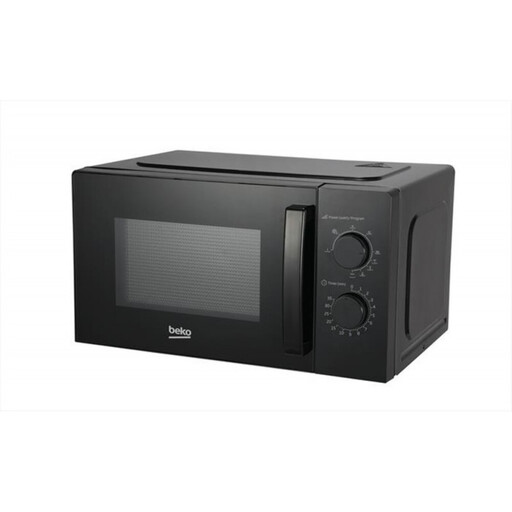 Image unavailable
For reheating portions and occasionally browning a dish in the same appliance. The product name states a microwave power output of 700 W; check the modes if you also want to cook using fan-assisted heat.
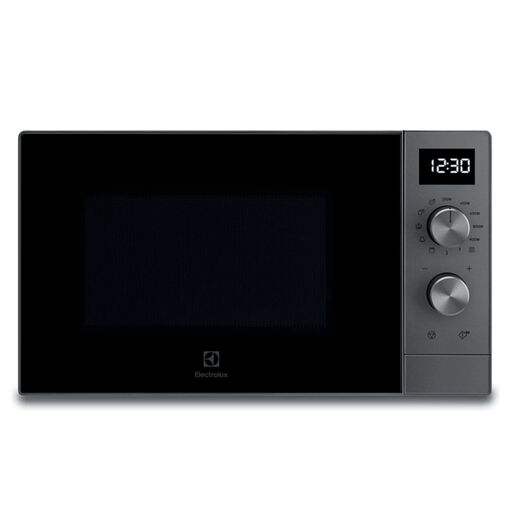 Image unavailable
A freestanding option to consider if you want to reheat food and use a grill too. The product name states a microwave power output of 900 W; check that the 25 L size suits your space and that it has the modes your recipes need.
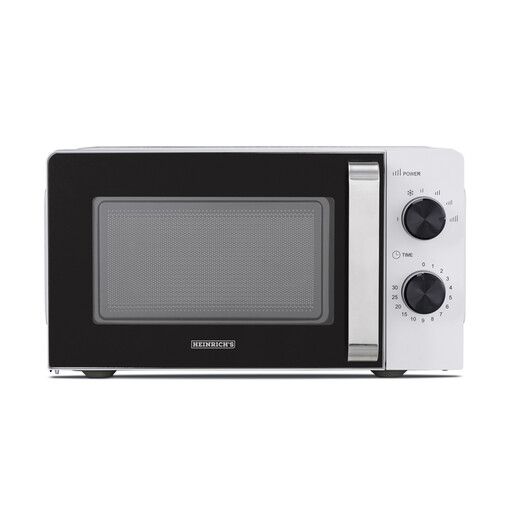 Image unavailable
For prioritising reheating and defrosting over browning. The product name lists six power levels, a 30-minute timer and a defrost function; check that there’s enough room for your plates and that the appliance can be installed properly.
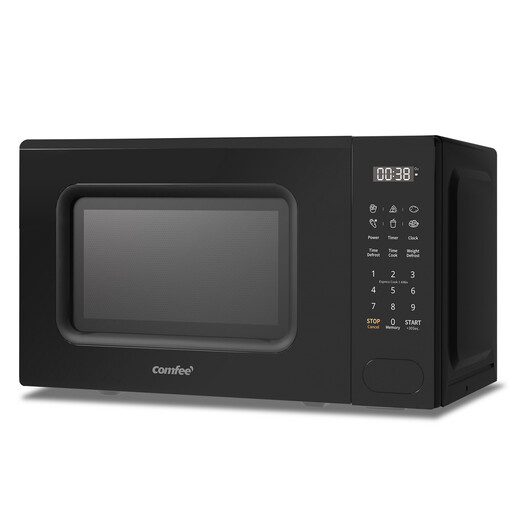 Image unavailable
For reheating and defrosting with a choice of settings, rather than choosing an appliance for its grill function. The product name lists 700 W, six pre-set programmes and eleven power levels; check how much clearance the appliance needs before installing it.
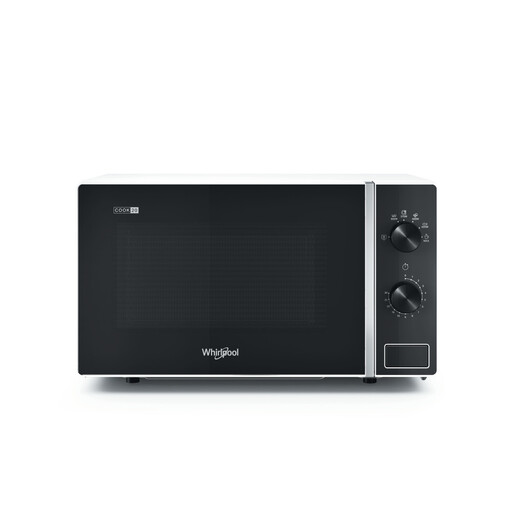 Image unavailable
Worth considering if you mainly want to reheat portions. If you regularly defrost food, check which settings this model offers before buying.
It can replace some of an oven’s functions if the model has the cooking modes you need and enough room for your dishes. UFC-Que Choisir describes combination microwaves with grill and fan-assisted cooking functions. If you regularly cook in the oven, compare the capacity and modes of an electric mini oven too.
Follow the clearances specified in the instructions for the model you choose. Samsung France recommends leaving at least 10 cm at the back and sides, and 20 cm above, while noting that requirements may vary by appliance.
Check that the container is suitable for the mode you’re using and follow its power and timing instructions. Anses warns that heating food too intensely can increase the migration of substances from certain types of packaging; also remove any metal parts when using the microwave mode and follow the appliance instructions.