Student reheating individual portions
If meals mostly involve reheating and defrosting, a solo microwave is a good starting point. But first, measure your worktop and check that your plates will fit inside the appliance.


If you mainly reheat and defrost individual portions, start by comparing solo microwaves; a model with a grill can also be useful when you want to brown or crisp food occasionally. If oven-cooked recipes matter more, look at a mini oven or a microwave that explicitly lists a convection function. In a small kitchen, always check the dimensions, door clearance and ventilation requirements against the space you have available.
If meals mostly involve reheating and defrosting, a solo microwave is a good starting point. But first, measure your worktop and check that your plates will fit inside the appliance.
Before adding another appliance, work out what the existing equipment can actually do. If you also cook dishes that need browning or other oven recipes, these uses may point you towards something beyond a solo microwave.
For tarts, gratins and other oven recipes, compare a mini oven with a microwave that is confirmed to have a convection setting. A grill alone does not mean the appliance has this function.
Start with the meals you prepare most often, then check that an appliance suited to those uses will fit in the space you have in mind.
| Criteria | What to check | My needs |
|---|---|---|
| Available space | Compare the appliance’s external width, height and depth with the space available. Allow room to open the door and meet the ventilation clearances specified in the model’s manual. | I want to be able to open the door and use my worktop without squeezing the appliance into a space that’s too tight. |
| Cooking functions | Know the difference between a solo microwave, a grill and convection. If you plan to cook oven recipes, check the exact function in the product details and manual: a grill is mainly used for browning or crisping, as explained by UFC-Que Choisir. | If I mainly reheat portions, a solo microwave will meet my main need. For gratins, I’ll look at grill models; for oven recipes, I’ll check for convection or compare a mini oven. |
| Space for dishes | Check the cavity dimensions and, if there’s a turntable, its size. Compare them with the plates and dishes you actually use rather than relying on the capacity in litres alone. | My usual dishes need to fit and be suitable for use according to the manual. |
| Everyday settings | Look at the power levels, defrost setting and how to set the timer. Choose controls that will work for the portions you usually prepare. | For reheating a plate of food or defrosting something, I’d prefer settings that are easy to find and use every day. |
| Packaging | Check that the container is microwave-safe and follow the packaging instructions for power and cooking time. Anses warns that overheating food can increase the migration of substances from some food packaging. | I want to be able to reheat meals by following the instructions on the packaging or using a suitable container. |
A microwave with a grill can brown or crisp food, but this doesn’t confirm that it has a convection setting for oven recipes.
If you plan to bake tarts or cakes regularly, look specifically for “convection” in the model’s documentation.
The stated capacity doesn’t tell you whether your dishes will fit inside the cavity or how much space the appliance will need when its door is open.
Measure your dishes and the space available, then compare the internal and external dimensions as well as the clearances required in the manual.
According to Anses, overheating food in a microwave can increase the migration of substances from some food packaging.
Follow the instructions for cooking time and power. If the packaging isn’t suitable for microwave use, transfer the food to a suitable container.
A mini oven with oven-cooking functions won’t necessarily offer the microwave reheating you may need for individual portions.
Before choosing one appliance over the other, compare how often you cook oven recipes with how often you reheat meals.
These models are examples of features you can compare; the specifications of one model don’t necessarily apply to every appliance from the same brand.
The range includes models to consider for different microwave uses.
The freestanding EMZ421MMK is a useful reference when comparing the space needed for a microwave.
The Optimo 33L CT is a mini oven to consider if oven cooking matters more to you than microwave reheating.
This Joybuy selection includes solo microwaves for reheating and defrosting, as well as grill models if you’d also like to brown or crisp food. For recipes that need convection, check that the model you’re considering has this function rather than assuming it does because it has a grill.
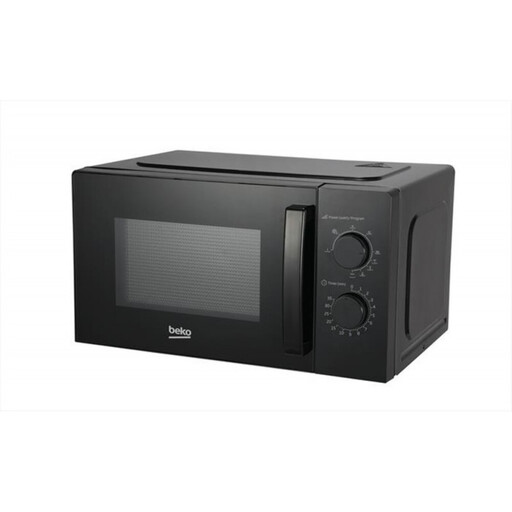 Image unavailable
Worth considering if you reheat portions and would also like a grill for browning or crisping food. The model is listed with a capacity of 20 L and microwave power of 700 W. Check the dimensions and ventilation requirements for your space.
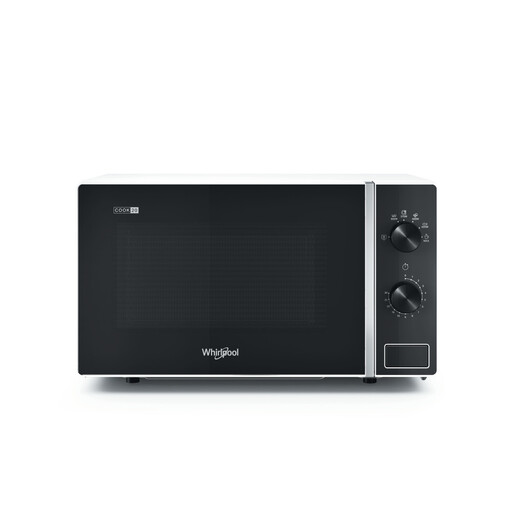 Image unavailable
An option to compare for reheating and defrosting if you don’t need a grill. It’s listed with a capacity of 20 L and power of 700 W. Check how much space the appliance needs and make sure your dishes will fit inside the cavity.
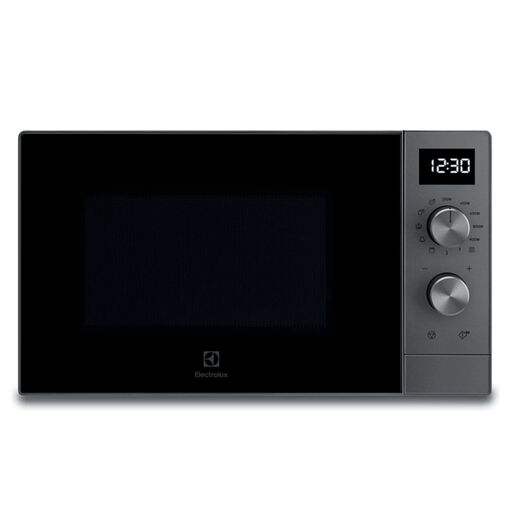 Image unavailable
Worth comparing if you want to reheat food and use a grill from time to time. This freestanding model is listed with a capacity of 25 L and microwave power of 900 W. The grill alone doesn’t confirm that it can cook using convection. Check that it will also fit on your worktop.
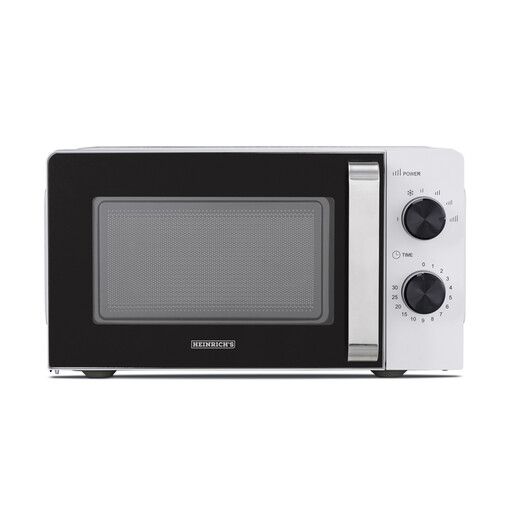 Image unavailable
An option for reheating and defrosting without a grill function. The title lists a capacity of 20 L, power of 700 W, six power levels, a defrost function and a 30-minute timer. Compare the appliance dimensions with your dishes before choosing where to put it.
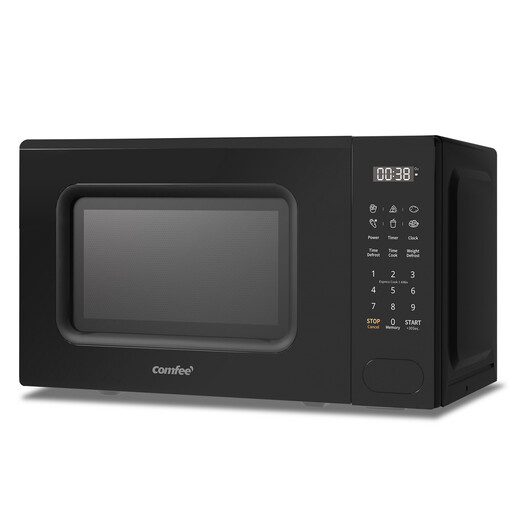 Image unavailable
Worth considering if you prefer digital controls for reheating or defrosting. The title lists a capacity of 20 L, power of 700 W, 11 power levels and a defrost function. Check the cavity dimensions and installation instructions for your kitchen.
Not for every type of cooking. A grill can brown or crisp food, but it doesn’t confirm that the appliance has a convection function. If you plan to cook oven recipes, check for this setting in the product details and manual, or compare a mini oven.
Measure the available width, height and depth, and remember to allow room to open the door. Then compare these measurements with the appliance dimensions, the cavity size for your dishes and the ventilation clearances specified in the manual.
Only if the packaging instructions say it’s suitable for microwave use, and you follow the specified cooking time and power. Anses warns that overheating food can increase the migration of substances from some food packaging. If the packaging isn’t suitable, use a suitable container instead.