Students who mainly reheat meals
If your meals are already prepared or portioned, reheating and defrosting matter more than oven functions. UFC-Que Choisir lists these as common uses for a microwave.


If you mainly reheat portions and defrost food, choose a solo microwave. If you regularly cook and brown simple dishes, look at the functions offered by a mini oven instead. A microwave with a grill or fan-assisted cooking can cover some of both needs, provided its settings, size and installation requirements suit your studio flat.
If your meals are already prepared or portioned, reheating and defrosting matter more than oven functions. UFC-Que Choisir lists these as common uses for a microwave.
If you regularly make quiches, gratins or roasted vegetables, look for oven cooking modes rather than a basic microwave setting. Functions vary between models, so check that the one you choose has the settings you need for the dishes you plan to make.
Your appliance needs to fit on the worktop while leaving the clearances specified in its instructions. Before buying, also check its total electrical power and the connection options available in your accommodation.
Start with the meal you make most often: reheating, occasional browning and oven cooking all require different functions. Then measure the available space before choosing a model.
Choose this if: you mainly need to reheat or defrost ready meals.
Bear in mind: it won’t replace an oven for dry-heat cooking or browning.
Choose this if: reheating is still your priority, but you’d like to brown food occasionally.
Bear in mind: having a grill doesn’t mean the appliance has a fan-assisted cooking function.
Choose this if: you’d like to switch between microwave, grill and oven-style cooking in one appliance with the relevant settings.
Bear in mind: check the external dimensions and required clearances for the specific model you choose.
Choose this if: you mainly want to bake, roast or brown small dishes.
Bear in mind: it won’t reheat or defrost food as quickly as a microwave.
| Criterion | What to check | Who is this for? |
|---|---|---|
| Reheating and defrosting | Check the defrost settings and the usable interior capacity for your containers. | When meals are already prepared, I mainly want to reheat or defrost them without installing an oven just for that; around 36 % of consumers would put this need first. |
| Cooking and browning | Check which cooking modes are actually available, particularly fan-assisted or conventional heat, and check the internal dimensions. | If I often make quiches or gratins, I need a setting suited to cooking the dish, not just reheating it; this would be the priority for around 29 % of consumers. |
| Several functions in one appliance | Tell the difference between a grill and a fan-assisted cooking function, and check the external dimensions. | I want to reheat portions and brown food from time to time without buying several appliances; around 14 % of consumers would make this versatility their top criterion. |
| Space and power supply | Measure the space available and the clearances specified in the instructions; check the total power and available connection. | I have limited worktop space and few sockets: an appliance that suits my meals also needs to fit safely; around 21 % of consumers would put this constraint ahead of the functions. |
The litre capacity describes the cavity, not the space the appliance takes up on your worktop. Electrolux and Whirlpool product specifications show why you should check the external dimensions of each model.
Measure the width, height and depth, then allow room for the door to open and for the clearances specified in the instructions.
A grill is for browning; fan-assisted or fan cooking requires a separate setting. So a microwave with a grill doesn’t automatically have the functions you need to cook oven dishes regularly.
If quiches or roasted dishes are regular features of your meals, check the model’s exact settings rather than relying on the word ‘grill’.
A container that’s safe to use in microwave mode may not be suitable for the grill or convection settings. UFC-Que Choisir notes, in particular, that whether you can use plastic depends on the mode selected.
Check the container’s markings and the appliance instructions before switching modes; don’t use metal cookware in microwave mode.
Promotelec warns that an overloaded extension lead can overheat and pose an electrical risk.
Use a suitable wall socket where possible. If you’re considering an extension lead, check its maximum power rating and the ratings of any appliances being used at the same time; don’t plug extension leads into one another.
Worth considering if you’re looking for a freestanding microwave with a grill and want to compare its electrical specifications with your setup.
A range worth exploring to compare microwaves with a grill against combination models with additional cooking functions.
A brand to consider if cooking small dishes in a mini oven matters more to you than reheating food in a microwave.
These models are primarily suited to reheating meals in the microwave; the Beko also has a grill for occasional browning. If you mainly plan to cook oven dishes, compare the cooking settings and installation requirements of a mini oven before choosing.
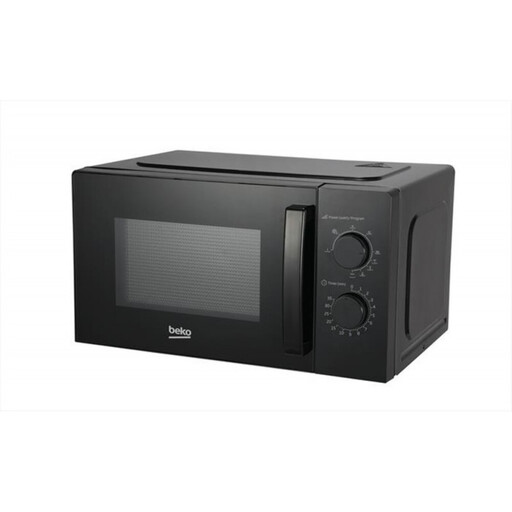 Image unavailable
Worth considering if you mainly reheat meals but would also like to brown food from time to time.
The model name lists a capacity of 20 L and a power rating of 700 W. Check the instructions for its settings, required clearances and total electrical power before deciding where to place and plug it in.
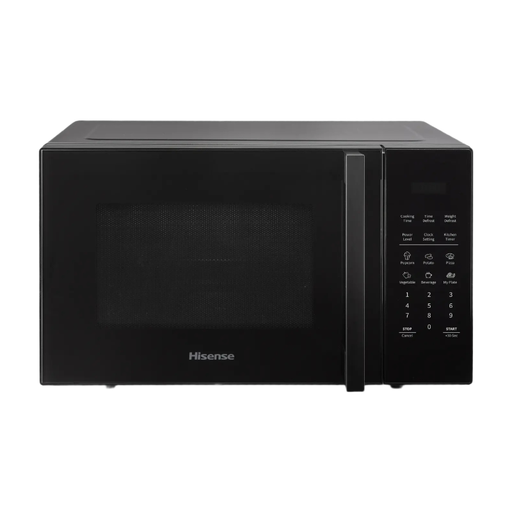 Image unavailable
Worth comparing if you want a 25 L capacity for reheating portions.
The product name lists a power rating of 900 W. If browning or oven-style cooking matters to you, check the exact settings in the instructions: the ‘Solo’ designation doesn’t confirm that these functions are available.
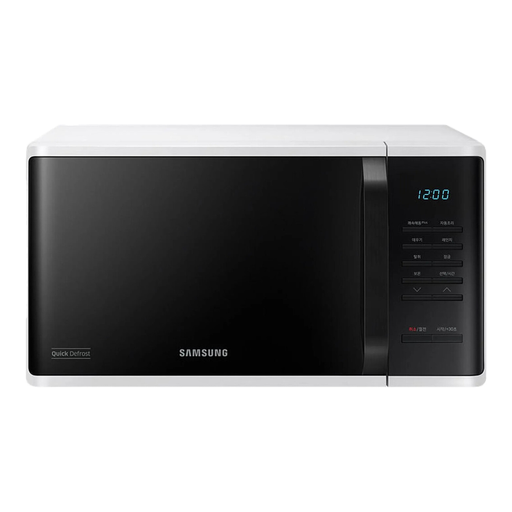 Image unavailable
Worth considering if reheating and defrosting matter more to you than browning.
The product name mentions Quick Defrost, a capacity of 23 L, 1150 W and an LED display. Check the instructions to understand the stated power rating and ventilation clearance required before installing it.
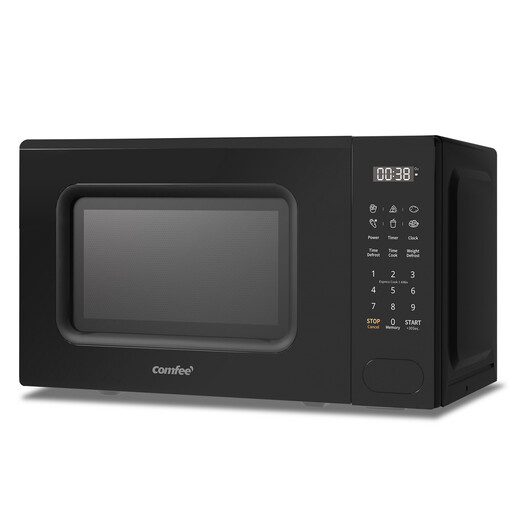 Image unavailable
Worth considering if you want digital settings for reheating and defrosting meals.
The product name lists six automatic programmes, 11 power levels and a defrost function. Before buying, check the dimensions and ventilation instructions against the space you have available.
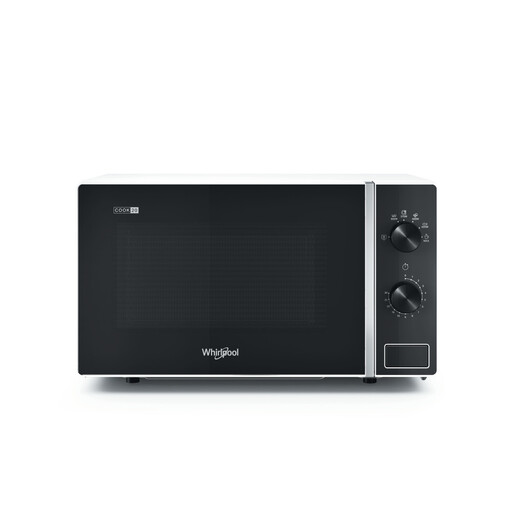 Image unavailable
Worth considering if your main need is to reheat portions in the microwave.
The product name lists a capacity of 20 L and a power rating of 700 W. If you often defrost food, check the functions of this specific model in the instructions before choosing it.
A solo microwave is a good fit if these are your main needs. UFC-Que Choisir lists reheating and defrosting among its common uses; check that the model’s functions and capacity suit your food and containers.
Not for every task: a grill can brown food, but that doesn’t mean the appliance has a fan-assisted cooking function. If you regularly make oven dishes, look for the relevant cooking setting on the model you’re considering.
Don’t decide without checking the extension lead’s maximum power rating, the ratings of appliances being used at the same time and the guidance for your accommodation. Promotelec warns that overloading can cause overheating; use a suitable wall socket where possible and avoid plugging extension leads into one another.
Follow the ventilation clearances in the instructions for your chosen model rather than relying on a general rule. Also measure the space needed to open the door and check that the surface and installation conditions meet the manufacturer’s requirements.