Everyday reheating in a studio flat
If you have limited cooking equipment, your main priority is likely to be reheating or defrosting portions. Que Choisir cites student accommodation as one example of when a microwave can be useful.


If you mainly reheat and defrost portions, choose a straightforward microwave; a grill model is a good option if you also want to brown food from time to time. If you regularly cook without a built-in oven, consider a combination microwave with a fan oven if you also need a microwave, or a mini oven if oven-style cooking is your priority. In either case, measure the space and check the manual for clearance, power supply and suitable cookware.
If you have limited cooking equipment, your main priority is likely to be reheating or defrosting portions. Que Choisir cites student accommodation as one example of when a microwave can be useful.
Reheating is still your main use, but you’d also like to brown a dish now and then without having to install an appliance dedicated solely to oven cooking.
You also need to cook meals, not just reheat portions. The space available and the cooking functions you need will help you choose between a combination microwave and a mini oven.
Start with the meals you prepare most often, then check whether the appliance you have in mind will actually fit in your kitchen. Que Choisir distinguishes between microwave reheating and the grill and fan oven functions available on some models.
Consider this if: reheating and defrosting portions matter more to you than oven cooking.
Bear in mind: a model without a grill or fan oven won’t meet your needs for browning food or cooking as you would in an oven.
Consider this if: you mainly reheat meals, but sometimes want to brown a dish.
Bear in mind: having a grill doesn’t mean the appliance also has a fan oven.
Consider this if: you want one appliance for both reheating and fan oven cooking.
Bear in mind: the internal capacity alone won’t tell you how much space the appliance takes up or what size dishes it can fit.
Consider this if: you mainly prepare meals that need oven-style cooking.
Bear in mind: it doesn’t offer microwave reheating or defrosting.
| Need | What to check before buying | Who this suits |
|---|---|---|
| Reheating and defrosting | Check the defrost functions and make sure there’s enough room for your usual dishes. | If I mainly eat portions that need reheating or food that needs defrosting, I prioritise this over browning. Around 29% of consumers give this need priority. |
| Browning food occasionally | Check that it has a grill and find out which accessories are suitable for use with it. | I’d like to brown a small dish from time to time while still using the microwave every day. This is the top priority for almost 21% of consumers. |
| Combining several functions | Check for a fan oven, the usable height inside the cavity and the available cooking modes. | Without a built-in oven, I want to reheat meals and cook dishes using the same appliance, even if it takes up more space. Almost 29% of consumers put this versatility at the top of their list. |
| Oven-style cooking | Compare the heating modes, cooking levels and size of dishes the appliance can accommodate. | I regularly bake cakes or cook oven dishes; microwave reheating is less important to me. Around 21% of consumers prioritise this type of cooking. |
The cavity capacity won’t tell you whether the appliance will fit on your worktop or whether your dish will fit inside the usable space.
Measure the space and the dishes you use most often, then compare the external dimensions, cavity size and clearance distances specified in the manual.
Blocked ventilation can cause overheating. The clearance required around the appliance depends on the model.
Place it on a level surface, keep the vents clear and follow the manual for the specific model you choose rather than relying on measurements for another appliance.
A grill lets you brown food, but its presence doesn’t confirm that the microwave offers fan oven cooking.
If you regularly cook oven-style dishes, check the listed cooking modes and the size of dishes the appliance can accommodate.
Metal isn’t suitable for microwave mode, and not all plastics are designed for this use. Anses recommends following the preparation instructions for food products intended for microwave use.
Check the container’s markings and the instructions on the packaging or dish before choosing the mode, time and power level.
These examples show different formats and features to compare; their specifications don’t apply to every appliance from each brand.
A range of freestanding microwaves that includes grill and combination models.
Worth considering if you’re looking for a freestanding microwave for reheating and defrosting.
Options for comparing a combination microwave and a mini oven separately.
These models are suitable for microwave reheating, browning with a grill or using a combination microwave. When choosing for a small kitchen, compare the space required for installation and the modes listed for each model.
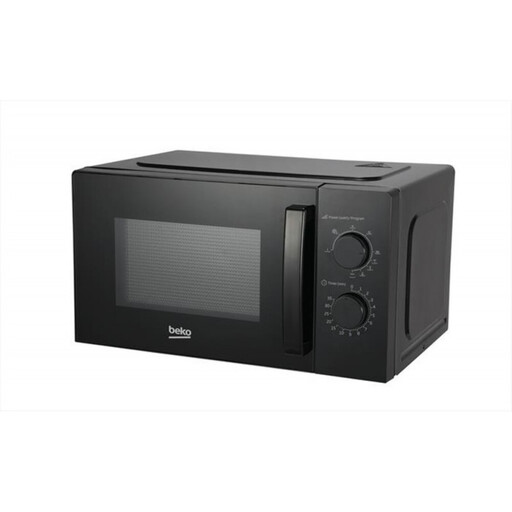 Image unavailable
Worth considering if you want to reheat meals and brown a dish from time to time.
Stated capacity: 20 L; power listed in the product name: 700 W. Check the ventilation clearances in the manual before deciding where to put it.
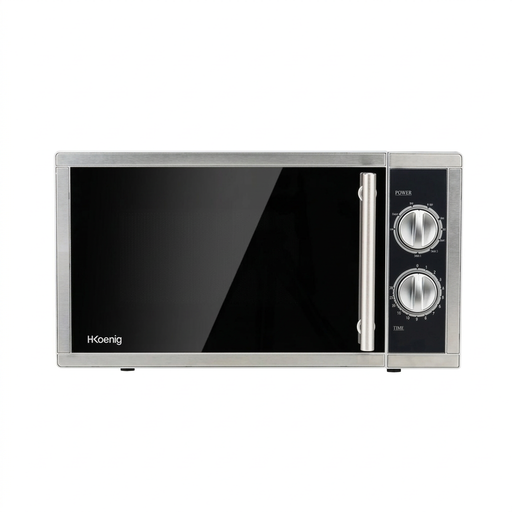 Image unavailable
Worth a look for reheating portions in a kitchen where the appliance needs to sit on a surface.
The product name lists a capacity of 23 L and power of 900 W. If you also want to brown food, check the model’s product information for a grill function and compatible accessories. Consult the manual for the dimensions in their exact order and the required clearances.
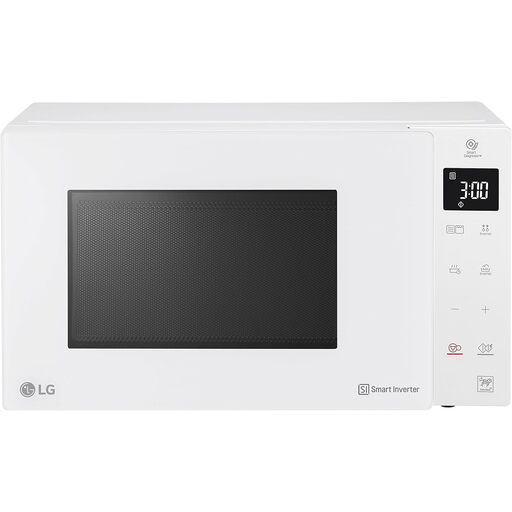 Image unavailable
The grill is useful for occasional browning as well as reheating.
Stated capacity: 25 L. Check the grill’s power on the product page or in the manual for the exact model, along with the clearances required for installation.
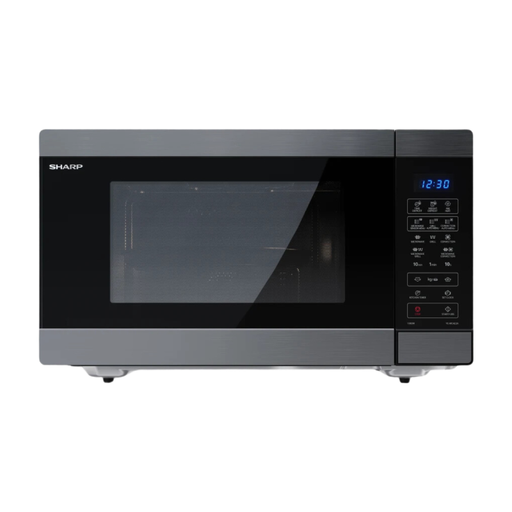 Image unavailable
Worth considering if you want one appliance to handle several types of cooking without a built-in oven.
Stated capacity: 42 L. Before choosing, check the exact cooking modes, the size of dishes it can accommodate, the weight limit for the supporting surface and the installation instructions.
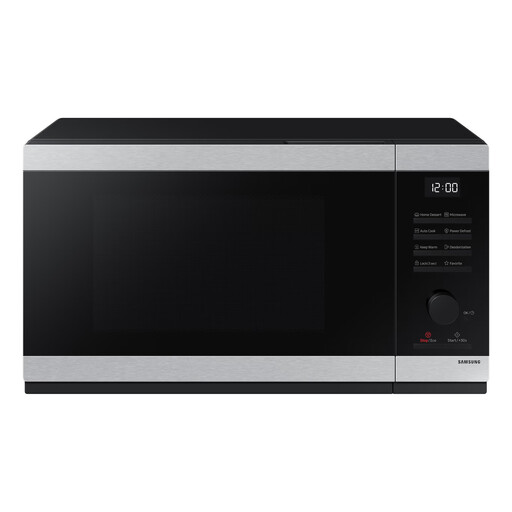 Image unavailable
Worth considering if reheating is more important to you than oven-style cooking.
The product name lists a capacity of 32 L and power of 1 000 W. Measure the available space and check the manual for clearance requirements. If you want to brown food, check separately whether it has a grill.
No. Its ventilation openings must remain clear, and it should be placed on a level surface. Whirlpool recommends an ambient temperature of 5 to 35 °C in its installation guidance. For clearance distances, the plug socket and any other requirements, follow the manual for the model you choose.
Use containers specifically marked as suitable for microwave use, and don’t put metal inside. For food packaging, also follow the preparation instructions: Anses recommends following the instructions for products designed to be heated in a microwave.
It can handle some oven-style cooking if it has the necessary functions, particularly a fan oven, but whether it can replace an oven depends on what you cook. Check the usable height, the size of dishes it can accommodate and the modes available on the model you’re considering. If oven cooking is more important than reheating, compare mini ovens too.
If you buy a new item from a professional seller in France, the statutory guarantee of conformity gives you two years to make a claim if the item does not conform to the contract. According to the French Ministry of the Economy, consumers don’t have to prove during this period that the defect existed on the date of sale. Any commercial guarantee is in addition to this and doesn’t replace it.
Take it to a collection or recycling scheme for electrical and electronic equipment rather than putting it in household rubbish. The French Ministry for Ecological Transition notes that this equipment can contain components that are hazardous to the environment and has recycling potential. Ask the seller, your local authority or a collection point about take-back options.