Student in a studio flat without an oven
If you reheat portions and defrost food, start with a basic microwave. A grill is worth considering if you also make dishes that need browning and have enough room for the appliance.


If you mainly reheat and defrost meals in a studio flat or temporary accommodation, a basic microwave will do the job. Choose a grill model if you’d also like to brown the tops of some dishes. If you regularly cook quiches, pizzas or pastries, compare the specific settings on a combination microwave with those on a mini oven rather than assuming both can replace a conventional oven in the same way. In either case, check how much room the appliance needs, including space for ventilation, and make sure your dishes fit and are suitable for the cooking mode.
If you reheat portions and defrost food, start with a basic microwave. A grill is worth considering if you also make dishes that need browning and have enough room for the appliance.
A freestanding appliance could suit you if you only cook occasionally. Measure the space, allow room to open the door and follow the ventilation clearances in the manual for your chosen model.
If quiches, pizzas or pastries regularly feature on your menu, compare the settings on a combination microwave with those on a mini oven. The word ‘combination’ alone doesn’t mean a model will suit every recipe.
Start with the meals you make, then compare the features you need with the space available and the dishes you already use.
| What to consider | What to check | Your needs |
|---|---|---|
| Reheating and defrosting | Look for a defrost function and controls suited to your usual portion sizes. A mini oven with a defrost setting still doesn’t work like a microwave. | I mainly reheat ready-made meals, so I don’t need to choose an appliance just for its extra cooking functions. |
| Cooking and browning | UFC-Que Choisir distinguishes between basic, grill and combination microwaves. Check the settings on the specific model; for a mini oven, see whether it has a fan oven function. | I’m interested in browning dishes, or I regularly make quiches and pizzas: these require different cooking features. |
| Available space | Compare the external width, height and depth, door clearance, cavity dimensions and turntable size. The capacity in litres alone won’t tell you what size dishes will fit. | My worktop space is limited, but my plates and dishes also need to fit inside the appliance. |
| Ventilation | Check the manual for the required clearances and any restrictions on where the appliance can be placed. Don’t assume the clearances for another appliance will apply. | I want to position the appliance without blocking its air vents or restricting movement around the kitchen. |
| Containers | Check that your containers are suitable for the mode you’re using: microwave, grill or convection. Anses recommends following the cooking instructions on food packaging designed for microwave use. | I’d like to use my usual containers, but I’ll check they’re suitable before switching cooking modes. |
A capacity of 23 L tells you neither how much worktop space the appliance will take up nor what size dishes will fit inside.
Measure the space and the dishes you use most, then compare the exact model’s external dimensions, cavity and turntable.
Required clearances vary by model. For example, the Schneider SCMWN20SMW manual calls for 30 cm above the appliance and 20 cm between it and each wall. These measurements aren’t a general rule for other microwaves.
Check the manual for your chosen appliance before deciding where to put it, and keep its air vents clear.
UFC-Que Choisir says a combination microwave can replace a conventional oven for some uses, but that doesn’t mean every model is suitable for every recipe.
Make a note of the dishes you cook often, then compare the combination microwave’s settings, cavity and accessories with those of a mini oven.
According to UFC-Que Choisir, plastic suitable for microwave use shouldn’t be used with the grill or convection function. Heating a sealed container can also be dangerous.
Check the container manufacturer’s guidance for the mode you’ve selected. If food is in its packaging, follow the cooking instructions too, as recommended by Anses.
These models have different configurations, and their features won’t necessarily apply to other models from the same brand.
The MS23K3614AW/EF is an example of a freestanding solo microwave. Samsung France lists a capacity of 23 L and microwave power of 800 W.
According to Electrolux France, the EMZ421MMK combines microwave, grill and microwave-with-grill settings.
Whirlpool France describes the MCP349WH as a 25 L freestanding combination microwave, with a grill function that can be used alongside the microwave.
The Optimo 39 L is an example of a mini oven. Moulinex France lists fan-assisted cooking, conventional cooking, a grill and a pastry setting among its features.
These Joybuy models cover reheating and defrosting, with grill options for meals that also need browning. Compare their features with the dishes you usually make before choosing.
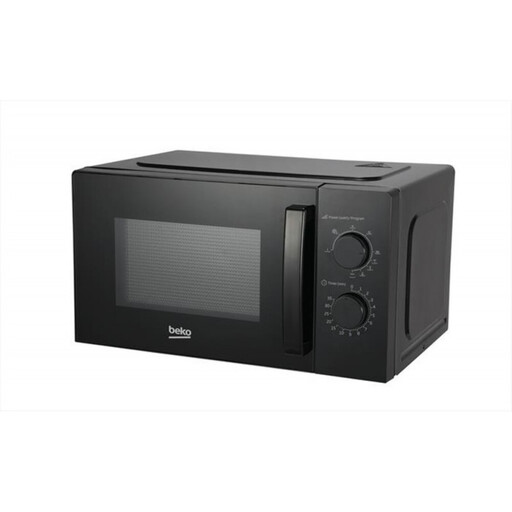 Image unavailable
Worth considering if you reheat and defrost portions but would also like to brown some dishes. The product name lists a capacity of 20 L and power of 700 W. Allow for the clearances specified for this model, including 10 cm at the sides and rear, and check the usable cavity size and whether your containers are suitable for the grill.
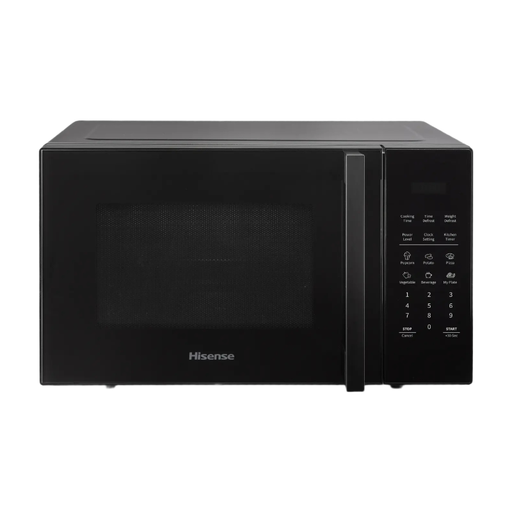 Image unavailable
For reheating and defrosting in a small home, this model is listed as having a capacity of 25 L and power of 900 W. Before relying on it for grilling, check the settings on the H25MOBS7H and which containers they accept. Also make sure there’s room for the specified clearances, including 20 cm at the sides and 30 cm at the rear.
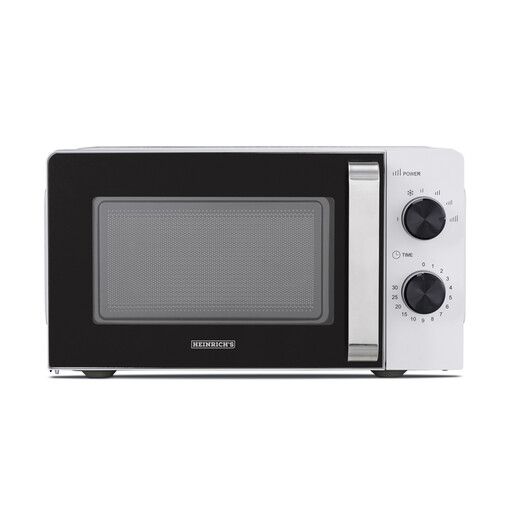 Image unavailable
An option for reheating and defrosting if you don’t need a grill function. The product name lists a power output of 700 W, six power levels and a 30-minute timer. Before installing it in France, check the required clearances, cavity size and electrical connection compatibility.
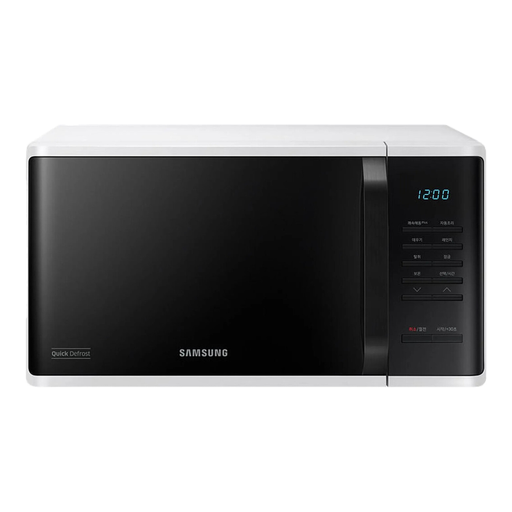 Image unavailable
This solo model is suited to those who mainly want to reheat and defrost, rather than use a grill. The product name lists a capacity of 23 L. Before setting it up in temporary accommodation, check the required clearances in the manual and compare the cavity dimensions with your dishes.
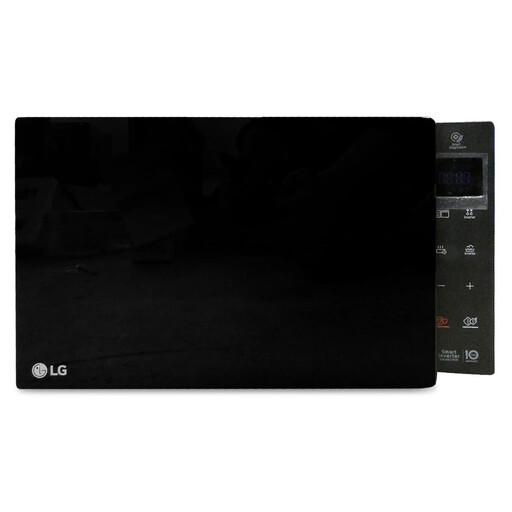 Image unavailable
Worth comparing if you’d like to reheat and defrost while having a grill for some dishes. The product name lists a capacity of 25 L. Confirm the grill power for the exact model, then check the ventilation clearances, cavity size and containers suitable for this function.
Measure the available space, including room to open the door, then compare it with the model’s external dimensions. Check that the cavity and turntable will fit your dishes, and check the clearances in the manual too, as these vary by appliance.
Yes, for some uses, but not necessarily for every recipe. UFC-Que Choisir says a combination microwave can replace a conventional oven; however, compare the settings, cavity dimensions and accessories of the specific model with the dishes you regularly make.
Only after checking that it’s suitable for each mode. According to UFC-Que Choisir, plastic suitable for microwave use shouldn’t be used with the grill or convection function, and containers shouldn’t be heated while sealed. For food in packaging designed for microwave use, follow the cooking instructions, as recommended by Anses.
Don’t do so unless the manual for that specific model explicitly allows it. The manuals for some Bosch freestanding microwaves state that they aren’t designed to be installed or used in a built-in cupboard. Check the installation guidance and clearances for the appliance you’re considering.