Reheating in a studio flat
If you mainly reheat portions and defrost food, a solo model covers those needs without making browning a deciding factor.


If you mainly reheat and defrost ready-made portions, choose a solo microwave. A grill model is handy when you occasionally want to brown or crisp a dish; a combination microwave is worth considering if you regularly plan to cook dishes that need an oven function. Before choosing, check the available space and the installation requirements for the specific model.
If you mainly reheat portions and defrost food, a solo model covers those needs without making browning a deciding factor.
If you occasionally want to brown a toasted sandwich or crisp up a gratin, a grill model adds this option to reheating. According to UFC-Que Choisir, it does not offer all the cooking functions of a combination microwave with convection.
If you also need the appliance for oven-style cooking, look at combination models with a convection function. Their worktop footprint and installation requirements matter just as much as the modes they offer.
UFC-Que Choisir distinguishes between solo, grill and combination models by their cooking functions. Start with the meals you actually prepare, then check how the model you’re considering will fit into your kitchenette.
Best for: reheating cooked meals and defrosting, without any plans to cook in the oven.
Limitation: this option won’t meet your needs if you want to crisp dishes or cook using convection.
Best for: occasionally browning or crisping dishes as well.
Limitation: a grill alone doesn’t provide the convection cooking of a combination model.
Best for: if you don’t have an oven and regularly plan to cook dishes that need a grill or convection function.
Bear in mind: check its footprint, cooking modes and the installation instructions for the exact model.
| Priority | What to check | Ask yourself |
|---|---|---|
| Cooking | Check which solo, grill and convection modes are actually available. Make sure your planned recipes need browning or convection. | Do I mainly reheat leftovers, or do I also plan to crisp dishes and cook oven-style meals? |
| Available space | Compare the appliance’s external width, depth and height with the space available. Also check that the door can open and that your dishes will fit: capacity in litres isn’t the only consideration. | Will I still be able to use my worktop once the appliance is in place? |
| Installation | Place the appliance on a flat surface and keep the vents clear, following Whirlpool’s advice. Check the manual for the required clearances. | In a narrow kitchenette, can I leave the space required around the appliance? |
| Power supply | Check the electrical specifications for your chosen model in its manual and make sure they’re suitable for the socket you plan to use. Don’t assume the figures for another appliance apply. | Can I plug my chosen model in at the planned location, following the instructions? |
| Containers | Check the container’s instructions for each mode. According to DGCCRF and UFC-Que Choisir, plastic suitable for microwave mode isn’t automatically suitable for grill or convection use. | Are my containers and dishes suitable for the cooking mode I plan to use? |
According to UFC-Que Choisir, the grill and convection functions add cooking options; they aren’t needed just to reheat or defrost ready-made portions.
Make a note of the meals you usually prepare and choose a solo model if browning and oven-style cooking aren’t part of your plans.
Capacity doesn’t tell you the appliance’s external footprint, how much room you need to open the door or the space required for ventilation.
Measure the available space and compare it with the external dimensions and clearances specified in the manual for the exact model.
Whirlpool warns that blocking the vents on a freestanding microwave can cause it to overheat.
Keep the vents clear and follow the installation instructions for the appliance you buy.
Plastic designed for microwave mode isn’t necessarily suitable for the heat of the grill or convection function, as UFC-Que Choisir points out.
Check the instructions for the container and the appliance before switching cooking modes.
Whirlpool offers freestanding microwaves with a grill, including the MWF421SL.
The Electrolux EMZ421MMK is a freestanding model that combines microwave and grill functions.
Panasonic describes the NN-CD88 as a multifunction microwave combining microwave, grill and convection functions.
These options cover reheating with a solo model, browning with a grill and cooking with a combination microwave. First choose the function that suits your meals, then check how much space your chosen model needs.
 Image unavailable
Consider this if you want to brown food occasionally as well as reheat and defrost. The grill doesn’t replace a convection function; check the manual for the clearances needed at your planned location.
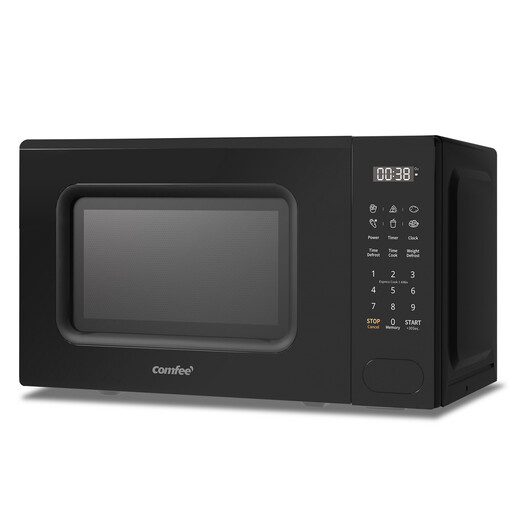 Image unavailable
For reheating and defrosting in a kitchenette, without making browning a deciding factor. The model name specifies 11 power levels and a defrost function; check the space required, including for ventilation.
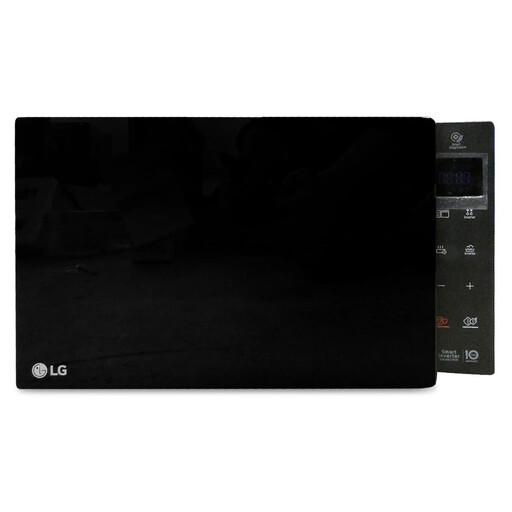 Image unavailable
Worth considering if you want to reheat and defrost, with a grill for occasional browning. Check the product details and manual for the power of each mode, the dimensions and the installation clearances.
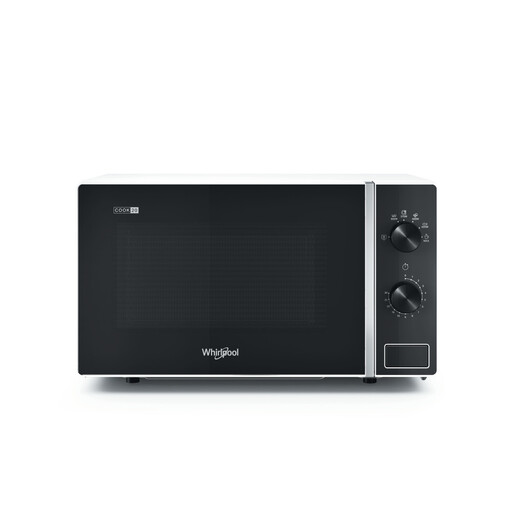 Image unavailable
Consider this if reheating and defrosting cover your usual meals. If you don’t have an oven, choose a grill or convection function if you also plan to brown food or cook dishes that need it; check the manual before installation.
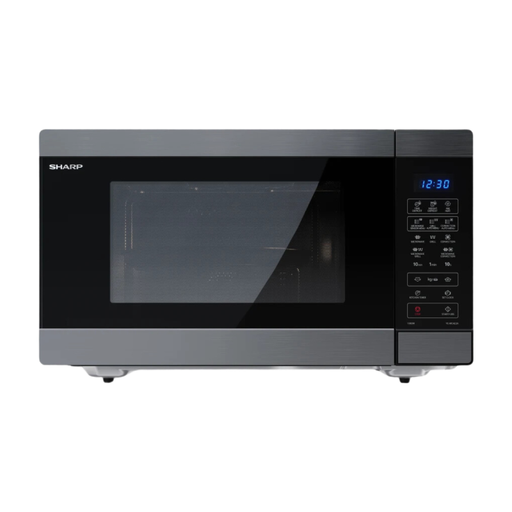 Image unavailable
Worth a look if you plan to use the microwave, grill and convection modes regularly because you don’t have an oven. Its 42 L capacity makes it particularly important to check the space available, door opening and clearances specified in the manual.
Yes, if you mainly reheat cooked meals and defrost food. If your meals regularly need browning or convection cooking, consider a grill or combination model, depending on how you plan to use it.
Choose a flat surface, keep the vents clear and leave enough room to open the door. Check the manual for the exact model to find the required clearances and electrical specifications; figures for another model aren’t a substitute.
Not necessarily. Check the container’s instructions for each mode. As UFC-Que Choisir points out, plastic that’s suitable for microwave mode shouldn’t be used in grill or convection mode unless it’s specifically stated as suitable.