People who reheat ready meals every day
If you often prepare chilled or frozen portions, consider both the length of the cycle and how evenly food is reheated. UFC-Que Choisir assesses these separately in its microwave tests.


If you already have a conventional oven and mainly reheat or defrost individual portions, a separate microwave lets you keep using your oven for occasional cooking. UFC-Que Choisir describes microwaves as well suited to quick reheating. A combination oven can bring these uses together with several cooking modes when you only have room for one appliance. However, check the usable dimensions and the results for the specific model: an INC study conducted with ADEME found that performance varies between dishes and appliances in built-in ovens.
If you often prepare chilled or frozen portions, consider both the length of the cycle and how evenly food is reheated. UFC-Que Choisir assesses these separately in its microwave tests.
A combination oven can bring together a microwave and cooking modes in one appliance. Before choosing one, check its installation dimensions and how much usable space there is for your dishes.
If your oven is working well and you only use it for occasional cooking, consider whether adding a microwave would meet your reheating needs without changing your existing setup.
Worth considering: if you reheat and defrost food often, and your current oven still meets your cooking needs.
The trade-off: each appliance takes up space and needs to be maintained.
Worth considering: if you want to reheat, defrost and cook occasionally with a single appliance.
Things to check: having several modes does not guarantee the same results for every dish. The INC and ADEME study found variations between built-in appliances.
Keep it if: oven cooking is still your main use, and you can reheat food quickly another way or rarely need to.
The limitation: a convection oven on its own does not offer the microwave function used to reheat a portion quickly.
| What to consider | What to check | To suit my needs |
|---|---|---|
| Reheating and defrosting | Check the model’s reheating time, how evenly it reheats food and its defrosting results separately. UFC-Que Choisir’s test protocol, for example, measures the temperature at several points on a plate. | I mainly reheat portions: a short cycle matters to me, but I also want to know whether the food heats evenly. |
| Space and compatible dishes | Measure the space available, the door clearance and the dishes you use most. Check the shape and usable capacity of the cavity, as well as whether there is a turntable. Test Achats distinguishes between external dimensions and usable internal capacity in its tests. | My food containers and larger dishes need to fit inside without getting in the way of installation. |
| Cooking modes | Check which modes are actually available on the model you’re considering and how well it performs for the types of cooking you need. Don’t assume an appliance’s energy use based solely on the word ‘combination’: the INC and ADEME study covers specific dishes and built-in ovens. | I want the option to cook occasionally, but not all my meals need the same functions. |
| Ease of use and cleaning | Check how easy it is to access the cavity, remove dishes, use the controls and clean any accessories. UFC-Que Choisir also considers the programmes and instructions when assessing ease of use. | For everyday use, I’d like to set the cycle and take out my dish without any fiddly steps. |
The INC and ADEME study of built-in ovens found that results varied depending on the dish and model. So, the presence of several modes alone is not enough to judge how well a particular model reheats or defrosts food.
Look for tests of the exact model you’re considering and the uses that matter to you, particularly even reheating and defrosting.
A capacity in litres doesn’t tell you everything about the door opening, the shape of the cavity or the space taken up by a turntable, if there is one.
Measure your dishes and the space available, then compare them with the model’s dimensions and installation diagram.
If you still use your oven for cooking, a separate microwave could meet your everyday reheating needs without replacing it. You’ll still need space for both appliances, though.
Compare the space needed for each setup and the cooking modes you actually use.
These microwaves include models designed to sit alongside a conventional oven, as well as a combination model that brings several uses together in one appliance. Compare their functions and space requirements to find the right fit for your kitchen.
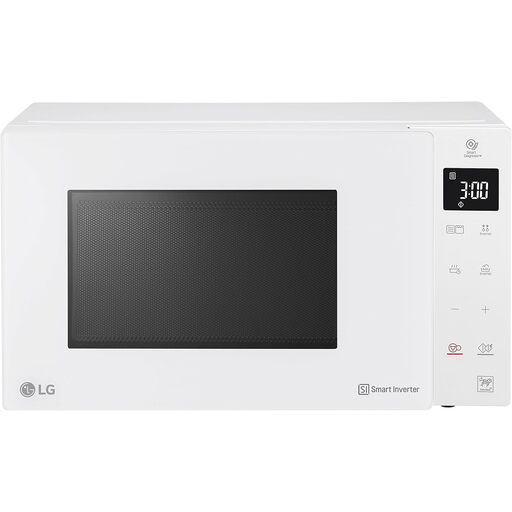 Image unavailable
To add microwave reheating to your existing oven setup, this model with grill offers 25 L of capacity and 1000 W of power. Check that your dishes fit inside the cavity, and look up this model’s defrosting results if you’ll use that function often.
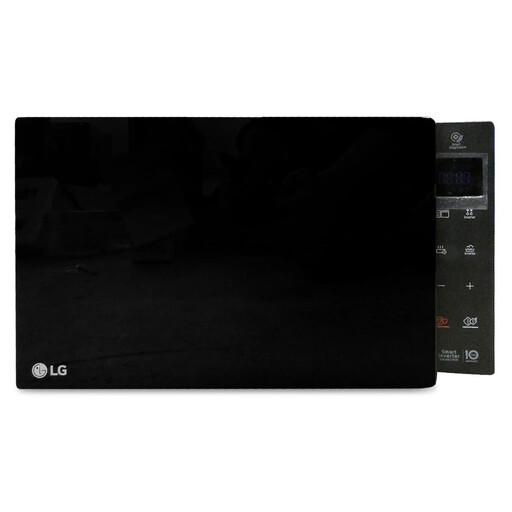 Image unavailable
This microwave can complement an oven you’re keeping for cooking. It has a stated capacity of 25 L; check the usable dimensions for your containers and, if you regularly reheat meals, look for this model’s even-heating test results.
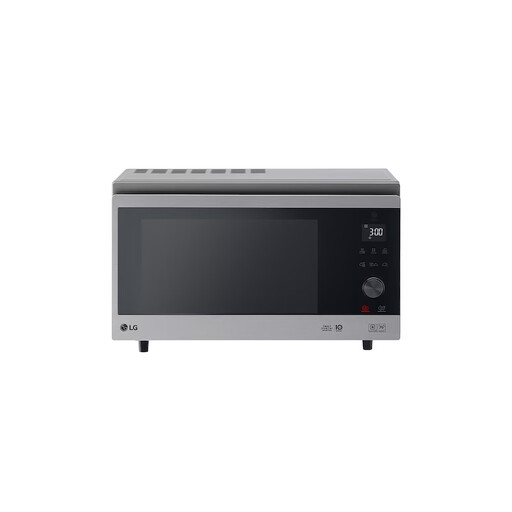 Image unavailable
If you’re looking for one appliance to reheat food and cook occasionally, take a closer look at the modes offered by this combination model. Its stated capacity of 39 L doesn’t tell you what size dishes will fit: check the cavity, the space available and the results for the uses that matter to you.
 Image unavailable
This model with grill is worth considering if you want to reheat portions while keeping a separate oven. Check that your dish fits on the 245 mm turntable, and look for this model’s defrosting results.
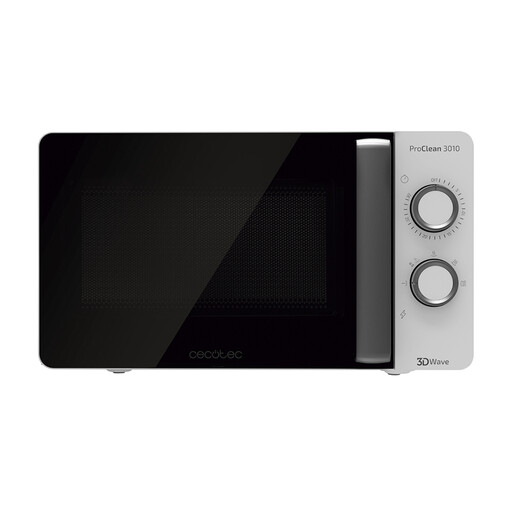 Image unavailable
This microwave is listed with six power levels and can complement a conventional oven. Before deciding where to put it, check its external dimensions, the usable space for your dishes and the model’s defrosting results.
No. The word ‘combination’ alone doesn’t tell you how well an appliance will perform with every dish. In its study with ADEME of four combination ovens and ten built-in convection ovens, the INC found that results varied depending on the dish and appliance. Check the test results for the model you’re interested in.
Compare your dishes with the door opening, the shape of the cavity and its usable capacity. Then check how much space the appliance and its door need. The stated capacity in litres alone won’t answer these questions.
Check the reheating time, how evenly food heats and the defrosting performance separately. UFC-Que Choisir’s test protocol measures the temperature at several points on a plate and, after defrosting, both on the surface and at the centre.
Arrange for it to be taken back or collected through the electrical equipment recycling scheme. According to the French Ministry for Ecological Transition’s FAQ, published in January 2023, like-for-like take-back applies when buying an appliance of the same type, with no minimum floor-space threshold for household appliances. Ask the retailer how this works before collection or delivery.