
Livraison le jour même ou le lendemain

Qualité garantie

Débloquez vos offres de bienvenue: Livraison GRATUITE | Jusqu'à -80 % | 30 jours d'essai gratuits à JoyPlus
Téléchargez l'application
A Mexican hot sauce can transform tacos, nachos or even a simple burger. But not every bottle is designed for the same use. Some focus on chilli, while others highlight acidity, a creamy texture or smoky notes. To avoid any nasty surprises, it is best to look beyond the name shown on the label.
The word “habanero” immediately suggests a very hot sauce. However, the intensity also depends on the proportion of chilli and the presence of tomato, water, oil or sugar. A habanero sauce containing 27 % chilli will not have the same character as a much more diluted recipe.
Conversely, a jalapeño sauce can remain relatively mild, while a blend based on serrano, chipotle or Carolina Reaper can be considerably more intense. Marketing terms such as “hot” or “extra hot” indicate a general level, but they do not replace checking the ingredients list.
A 425 g bottle may seem economical for a family, a get-together with friends or a catering professional. However, some sauces need to be consumed within a month of opening and stored in the fridge. For occasional use, a more compact size will often be better suited and help to reduce waste.
Also remember to check the storage temperature, the shelf life after opening and whether preservatives are present. This information is usually shown on the packaging or product page.
A runny sauce is easy to drizzle over tacos or grilled meat. A thicker sauce clings better to nachos and can be used as the base for a marinade. A creamy preparation with guacamole or cheese is better suited to dipping or drizzling.
The term “Mexican” therefore covers a wide range of styles: Mexican salsa, taco sauce, nacho sauce, spicy guacamole sauce or a recipe dominated by smoky notes.
Start by identifying the chillies used:
The percentage stated in the ingredients is a useful reference point. The LA ANITA sauces featured here, for example, contain 27 % habanero chilli, while the ZAASCHILA cheese sauce contains 0.6 % jalapeño. These figures help to give you a clearer idea of each recipe, although they do not represent a universal scale of heat.
When choosing an organic chilli sauce, look for the relevant organic certification and check the ingredients list. The LA CHIPOTLERA Organic Hot Sauce 125 ml, for example, states that it contains ingredients from organic farming, including tomato, cider vinegar, chipotle, onion, garlic and spices.
Also compare the amounts of salt, sugar and oil per 100 g. A sauce is used as a condiment, but these figures may matter if you add it regularly. In the event of an allergy or intolerance, do not rely solely on a “no declared allergens” statement: the label remains the definitive source, along with any precautionary allergen information.
For accompanying a few meals, a 125 to 150 ml bottle helps to minimise waste. If you use sauce frequently, 265 or 425 g formats mean you will not need to buy another bottle as often, provided you store it in the fridge after opening.
Storage times vary by recipe: some sauces keep for up to two months in the fridge, while others need to be consumed within a month. De Cecco arrabbiata sauce, meanwhile, advises consumption within three days of opening. This is worth considering if you mainly cook at weekends.
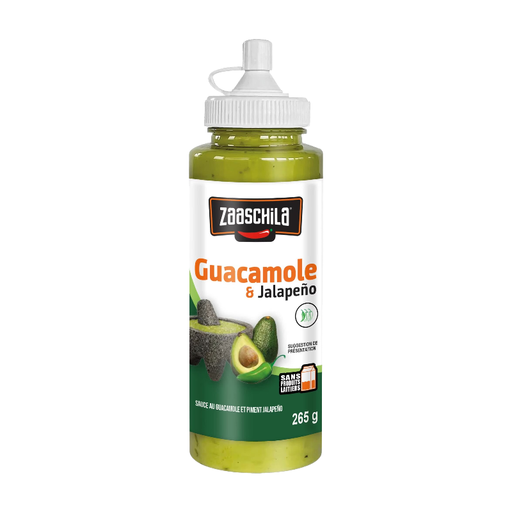
Why this choice suits this profile : Its creamy texture and 265 g format make it a practical everyday sauce, particularly with nachos, tacos, chips or grilled vegetables.
The stated 12 % jalapeño content gives you a clearer idea of its profile than descriptions such as “Mexican” or “spicy” alone.
6 % avocado pulp, tomato and lime notes; keeps in the fridge for one month after opening.
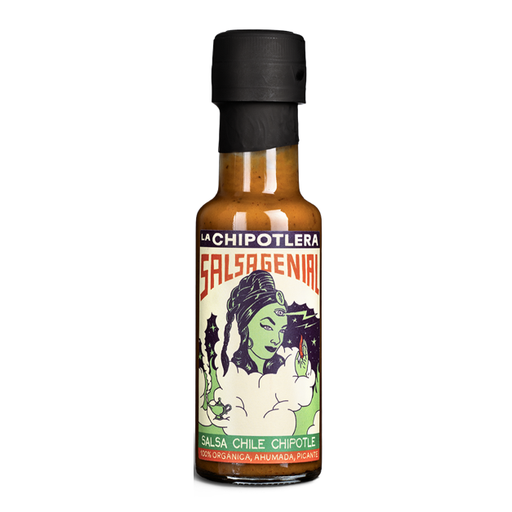
Why this choice suits this profile : This recipe is aimed at those who value organic ingredients and a flavour profile built around chipotle.
The ingredients list details which components come from organic farming, rather than relying on a simple claim about its origin.
Tomato, cider vinegar, chipotle, garlic, oregano, cinnamon and cumin; 80 kcal and 1 g of salt per 100 g according to the product information provided.
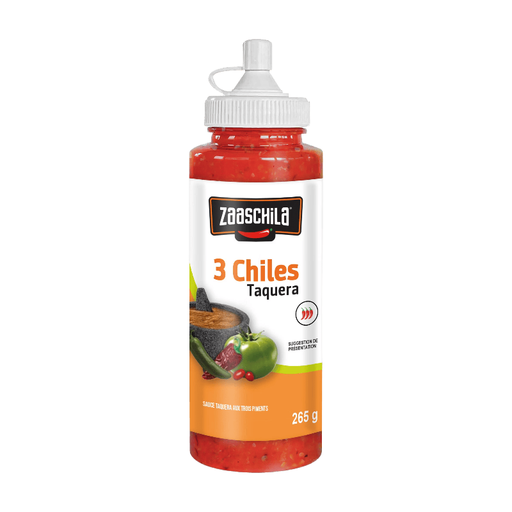
Why this choice suits this profile : Its three-chilli recipe and 265 g format are ideal for kitchens where tacos, grilled meats or sharing dishes are prepared regularly.
The stated proportions clearly distinguish 10 % jalapeño, 0.8 % árbol chilli and 0.15 % chipotle, making the recipe easier to understand.
15 % green tomato, pronounced acidity, coriander, garlic and onion; a recipe designed to accompany tacos.
For a more intense, smoky flavour, LA ANITA red habanero sauce contains 27 % habanero. It pairs particularly well with meat, burgers, eggs and slow-cooked dishes. The green version contains the same proportion of chilli, with a more vegetal profile. For a brava sauce, EL TATO offers a recipe based on tomato, oils, garlic, white wine vinegar and spices. Finally, De Cecco arrabbiata sauce is a good choice for pasta, with 0.16 % Calabrian red chilli.
We have put together a complete, real-time updated list of products that meet these exacting selection criteria and European safety regulations.
For tacos, a taquera sauce made with jalapeño and tomato offers a versatile profile. For nachos, a guacamole or cheese sauce clings better to the tortilla chips. Add it gradually so you can adjust the heat without overpowering the flavour of the other ingredients.
Yes, but the storage time depends on the recipe. The products featured generally need to be refrigerated after opening and last for one to two months. Always follow the instructions on the label and use a clean utensil to avoid contaminating the bottle.
Chipotle sauce generally focuses on smoky notes. Habanero sauce is distinguished by a more direct heat, sometimes accompanied by fruity aromas. Arrabbiata sauce is an Italian preparation made with tomato and chilli, intended more for pasta than tacos.