
Livraison le jour même ou le lendemain

Qualité garantie

Débloquez vos offres de bienvenue: Livraison GRATUITE | Jusqu'à -80 % | 30 jours d'essai gratuits à JoyPlus
Téléchargez l'application
A personalised card, a photo album page or a birthday decoration can be transformed with a few well-chosen die cuts. However, buying metal scrapbooking dies can involve a few pitfalls, for beginners and experienced enthusiasts alike.
Some products feature a wide range of designs without specifying their dimensions. Others combine cutting and embossing without clearly stating which machine is required. Before filling your basket with dies, here are the criteria to check when choosing scrapbooking accessories that are genuinely suited to your paper projects.
A die featuring a flower, car or candle may be perfect for one specific project, then sit at the back of a drawer for the rest of the year. To get the most from your purchase, start by thinking about the themes you actually create: birthdays, weddings, new arrivals, celebrations, family albums or everyday card-making.
Alphabet dies and lace borders generally offer more possibilities. They allow you to create words, frame a photo or structure a card without starting from scratch each time.
A die cut that is too large may extend beyond a standard card. Conversely, a design that is too fine or too small can be difficult to handle, especially when working with thick paper. Check the dimensions given in the product listing and compare them with your usual formats: A6 card, square format, tag, album page or invitation.
Metal dies are generally used with a manual or electric die-cutting machine, together with the plates specified by the manufacturer. However, paper thickness, the number of layers and the intricacy of the design can all affect the result. A die cannot compensate for an incompatible machine.
The term “embossing” may also refer to a use separate from cutting. To discover the related equipment, browse the card embossing machine selection.
A die should produce clean, even contours. Look closely at the product photos: very fine lines, tight corners and small cut-out areas require greater precision when passed through the machine.
The product listing may mention the material without always specifying its thickness or rigidity. If in doubt, choose a product whose description clearly distinguishes between its functions: cutting, embossing or a combination of both.
For DIY card making, choose designs that are in proportion to your chosen base. Borders decorate the sides of a card or album pages, while flowers, butterflies and themed elements fit easily into the centre of a composition.
Die cuts with numerous openwork areas may require careful removal of the paper scraps. A cutting mat, weeding tool or small brush can save you time at this stage.
Cardstock, decorative paper and certain metallic sheets do not all react in the same way. For a clean result, start by testing the die on a scrap of paper. Then note the pressure setting or the number of passes used with your machine.
For photo album decoration, also consider the amount of relief. An embossed design can look beautiful, but may prevent the album from closing if several thick layers are stacked together.
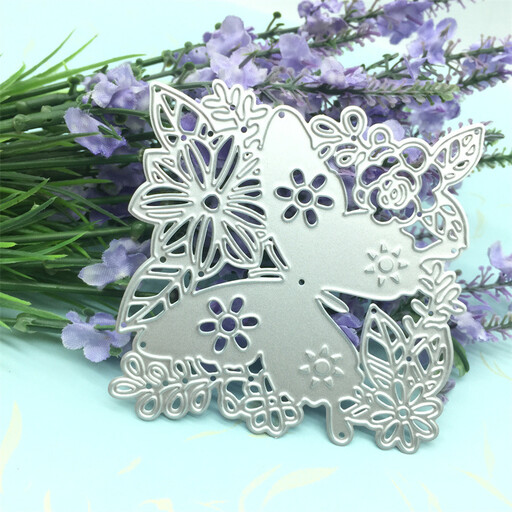
Why this choice suits this profile : The combination of a butterfly and a flower is a great way to start creative card making, with a theme that is easy to incorporate into cards, albums and paper decorations.
The design is clearly identified, reducing the risk of buying a shape that is difficult to combine with your usual projects.
Floral and butterfly designs ; stated cutting and embossing function for paper crafts.
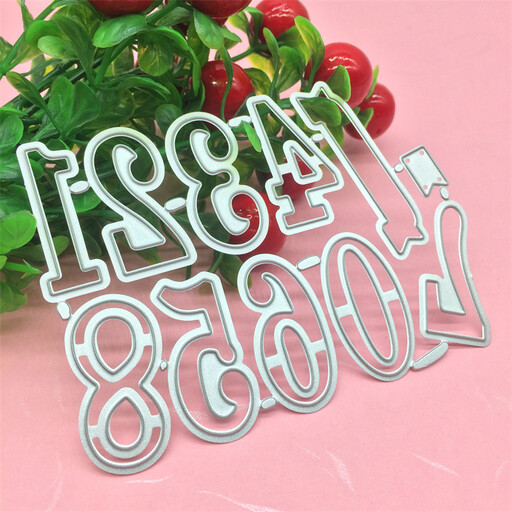
Why this choice suits this profile : Crafters who regularly personalise cards or albums can create names, messages and decorative words with a complete alphabet.
An alphabet set means you are not dependent on a single themed design and can use it for many different types of project.
26 uppercase letters ; 10 numbers stated in the product description.
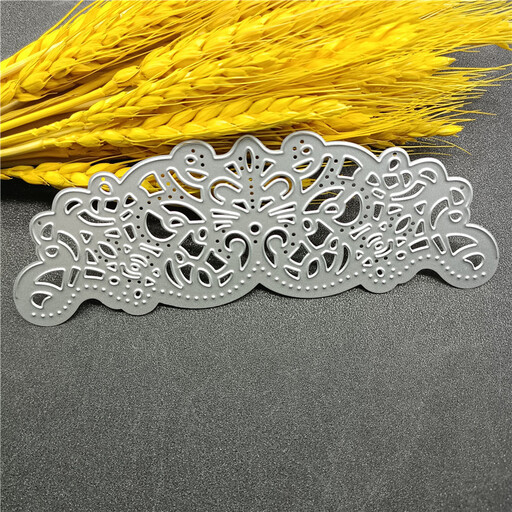
Why this choice suits this profile : Anyone preparing lots of cards, invitations or album pages can use a border to structure a composition quickly.
The border format is designed for a clearly defined purpose and helps prevent you from accumulating isolated designs that are difficult to coordinate.
Lace border design ; created to decorate cards, albums and a range of paper-based projects.
To protect your dies and achieve even contours, follow these simple good habits:
Floral and butterfly designs, alphabets, borders and seasonal shapes are easy to combine with plain paper, printed paper, ribbons or stamps. This allows you to build a cohesive collection without buying too many items that will eventually gather dust.
We have put together a complete, real-time updated list of products that fully meet these strict selection criteria and European safety regulations.
No. Compatibility depends on the size of the plates, the thickness of the material and the pressure system. Consult your machine’s manual and check the die’s dimensions before placing your order.
Some products are described as suitable for both uses, but the result depends on the machine, plates and paper used. Testing the die beforehand allows you to check the depth of the relief and the sharpness of the cut.
Its lifespan varies depending on how frequently it is used, the pressure applied, the type of paper and storage conditions. Cleaning away residue and avoiding forced passes helps preserve the precision of the contours.