
Livraison le jour même ou le lendemain

Qualité garantie

Débloquez vos offres de bienvenue: Livraison GRATUITE | Jusqu'à -80 % | 30 jours d'essai gratuits à JoyPlus
Téléchargez l'application
Creating a personalised card or adding dimension to a photo album often comes down to clean, precise cuts. But not all metal cutting dies for scrapbooking are created equal, and more importantly, they don't all serve the same purpose. A highly detailed design can be tricky to release from the die, a set marketed as versatile might not be compatible with your machine, and an embossing stencil simply isn't a substitute for a proper cutting die.
Here are the key factors to consider before placing your order, along with a selection tailored to different types of crafters.
Product descriptions sometimes blur the lines between different uses in a single title. When used with a compatible machine, a metal die is typically designed to cut paper. An embossing stencil, on the other hand, is used to create a raised pattern or impression.
Some dies can indeed perform multiple functions, but it's always best to check the product details and your cutting machine's manual to be sure.
Dies with lots of fine veins, delicate petals or large open areas can produce stunning results. However, they often require the right type of paper, precise pressure settings and careful removal from the die.
For beginners, simpler shapes — medium-sized flowers, leaves or butterflies — are generally much easier to work with.
A design might look large in a photo but turn out to be too small for a standard-sized card. Before you buy, check the dimensions, the number of pieces included and how the different elements fit together.
For a photo album, also consider the thickness created by layering several cut-outs.
Check which type of machine the die is designed for, as well as the maximum recommended paper thickness. Metal dies are generally used with a manual die-cutting machine, but compatibility depends on the platform system, cutting mats and accessories you have.
A die intended for card making can also work for scrapbooking, provided the paper, base and pressure are suitable. When in doubt, test it on a scrap piece of paper before working on your final project.
Just because something is made of metal doesn't guarantee the same cutting quality across different models. Look closely at the sharpness of the outlines, the consistency of the openings and the complexity of the details.
Flower dies for scrapbooking and metal flower and leaf dies are particularly handy for building bouquets, borders or frames by layering several thicknesses.
Highly detailed dies with lots of open areas may require a small spatula, a foam mat or a pick tool. These DIY and card-making accessories can save you a lot of time when removing those tiny stuck pieces of paper.
For making cards, a sturdy cardstock makes handling easier and helps prevent warping. For decorating a photo album, choose elements that won't add too much bulk when several cut-outs are stacked together.
Butterfly dies and floral designs work beautifully for seasonal projects, while floral frames can help structure an entire page.
Dimensions and performance vary from one die to another, so don't assume a die is universal without checking the manufacturer's specifications.
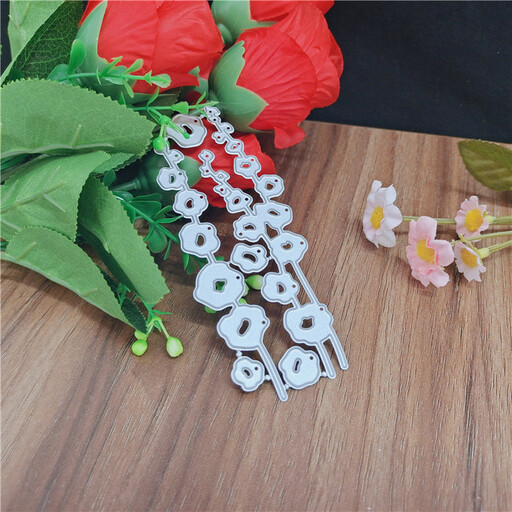
Why this is a good choice: This set is ideal for those new to card making who want to create flowers for cards, creative pages or small albums.
The clearly identified theme reduces the risk of buying a set that doesn't match your project. Still, do check the size and compatibility with your machine.
Floral designs created for card making, paper crafting and scrapbooking.
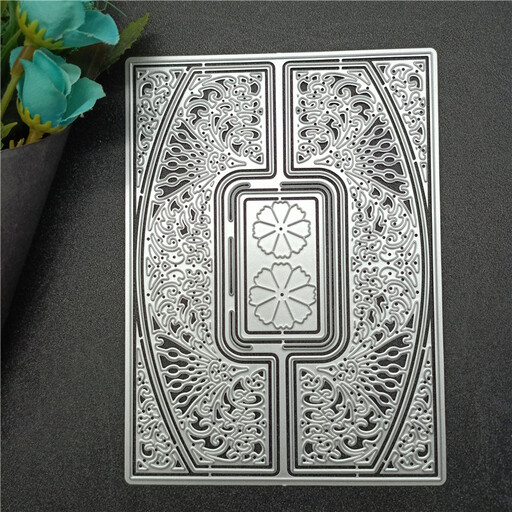
Why this is a good choice: This die is ideal for crafters looking for a structured floral composition to frame a card or organise an album page.
The frame function is clearly stated in the product name, making it easy to distinguish from a simple single-flower die.
A format designed for card making, paper embossing and use with a scrapbooking machine.
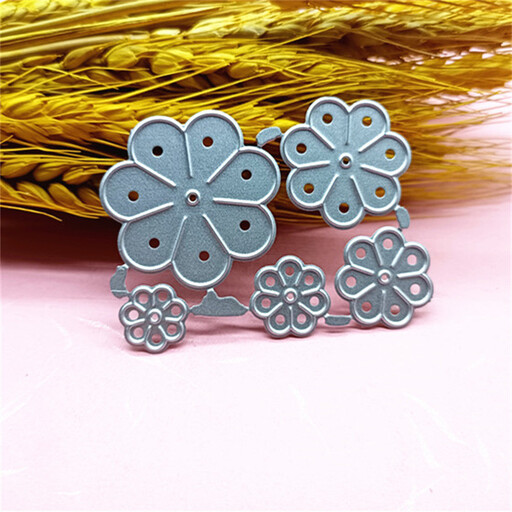
Why this is a good choice: Enthusiasts of dimensional designs can layer petals and leaves to create personalised decorative elements.
The layering concept is clearly explained, so you can anticipate the final thickness and choose the right paper or adhesive.
A set dedicated to petals and leaves, designed for cards and DIY projects.
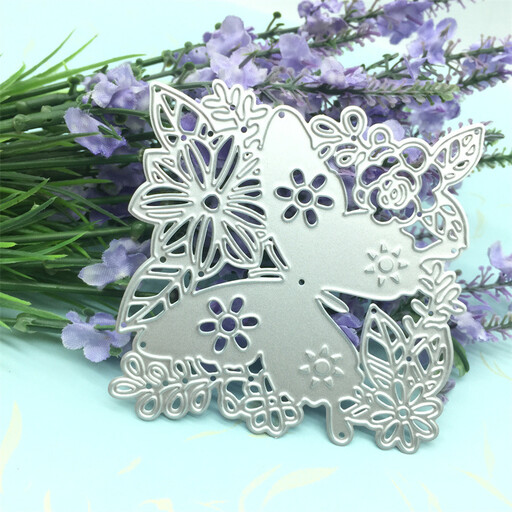
Why this is a good choice: This butterfly and flower duo is perfect for those who want to vary their natural motifs and create light, airy compositions across multiple projects.
The stated contents let you know exactly which designs are included, rather than guessing whether a set contains multiple unspecified shapes.
Butterfly and flower designs for cards, albums, embossing and scrapbooking projects.
We've curated a comprehensive, real-time selection of products that meet these demanding criteria and comply with European safety regulations.
Searches that mix cutting dies with pruning tools can easily lead to a purchase that doesn't meet your needs. Garden secateurs, pruning shears or multi-angle mitre snips are not designed to replace a metal die.
For plants and light outdoor work, always check the cutting capacity, blade material and safety lock. The WORKPRO secateurs featured here have an SK5 steel blade, a locking mechanism and a stated cutting capacity of up to 19 mm on fresh branches. They should not be used on metal wire or dry wood exceeding this capacity.
The FLORA GUARD snips, on the other hand, are intended for soft materials such as plastic, PVC, sealants or mouldings. Their stated angle adjustment ranges from 45° to 135°. They are not suitable for cutting hard metal.
For thin stems, the FLORA GUARD Micro-Tip model has a stated capacity of up to 6 mm. Always follow the manufacturer's warnings, wear suitable gloves and store blades in the locked position.
Use a machine that is stated as compatible with metal dies and follow the plates, mats and settings recommended by the manufacturer. Compatibility doesn't depend solely on the shape of the die — pressure and base thickness also play a role.
Choose a suitable paper, check your pressure settings and gently remove the cut-outs using a pick tool. For very fine designs, a soft mat or a thin protective sheet can help with release, provided your machine's manual allows it.
Its lifespan depends on how often you use it, the type of paper, the pressure applied and how well you look after it. Avoid using it with materials it's not designed for, store dies in a dry place and remove any residue after each use.
A cut that becomes less clean could also indicate incorrect settings or a base that's too thick, rather than immediate wear on the die itself.