
Livraison le jour même ou le lendemain

Qualité garantie

Débloquez vos offres de bienvenue: Livraison GRATUITE | Jusqu'à -80 % | 30 jours d'essai gratuits à JoyPlus
Téléchargez l'application
Metal cutting dies for scrapbooking let you create perfectly regular shapes for cards, photo albums and paper decoration projects in no time. But a die that looks appealing in a photo can quickly disappoint once you use it. Uncertain compatibility, overly delicate patterns or poorly specified dimensions – there are plenty of pitfalls to watch out for.
Before you fill your basket, here are the criteria to check when choosing metal cutting dies that suit your machine and your creative style.
Some product listings mix up the terms "cutting dies", "embossing stencils" and "templates". Yet these accessories don't always serve the same purpose. A cutting die usually has a sharp edge that cuts a shape out of paper. An embossing die, on the other hand, is mainly used to create a raised or indented pattern.
Read the description carefully and examine the images. If you want to cut out letters, flowers or frames, look for a die that is explicitly designed for cutting. If you only want to create a raised effect, make sure the product is specifically intended for embossing.
A metal die won't necessarily work with every cutting machine. Compatibility depends on the machine's format, the recommended sandwich thickness and the plates you use. Too much pressure can warp your plates or stop the paper from feeding through properly.
Before you buy, check:
The phrase carbon steel dies might sound promising, but on its own it tells you nothing about the fineness of the pattern, the consistency of the cut or how easily the paper will release. A highly detailed die may need several passes, a specific type of paper or a cleaning brush.
Small elements – like leaf veins or letters – are especially prone to getting stuck. So take a close look at the pattern and spot any particularly narrow sections.
Carbon steel is very common for metal cutting dies. It offers a fine, rigid structure that works well for repeated patterns. However, the product page should state the material if it matters to your choice. Don't try to guess the composition from a photo alone.
To protect your plates and your die, stick to the materials your machine allows. Cardstock, printed paper, vellum and decorative sheets all have different densities.
A large pattern works well for album covers, square cards and central compositions. Small patterns are easier to combine in layers, especially for creating flowers, foliage or butterflies.
For regular use, check:
That way, you won't end up with a die that's too small for your project or a set that's awkward to store.
After each use, remove any paper fibres with a small soft brush or a suitable tool. Store your dies flat, ideally in a magnetic folder or a compartmented box. Don't try to dislodge stuck paper with a metal object – you could damage the cutting edge.
With complex patterns, a slightly thinner paper can make release easier. Test on a scrap piece before you move on to your main decorative paper.
The products below cover a range of uses: numbers, floral motifs, butterflies, frames and versatile sets. Check each product page to confirm the dimensions and compatibility with your machine.
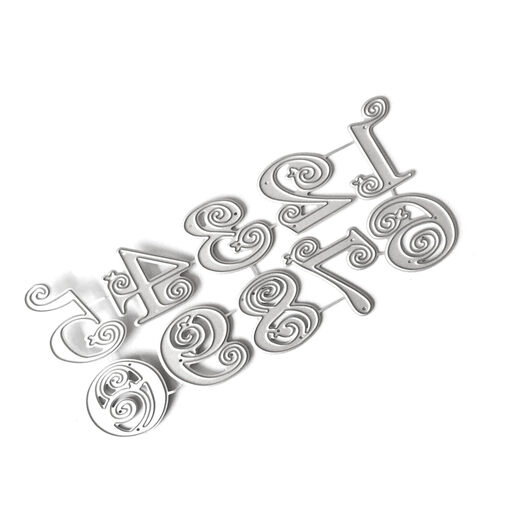
Why this choice suits this profile: These numbers let you personalise birthdays, dates and albums without buying lots of specialised motifs.
The listing states carbon steel construction and use for card making and scrapbooking. However, do check the size before ordering.
Number motifs, a clearly stated material and a design intended for cards and paper embellishments.
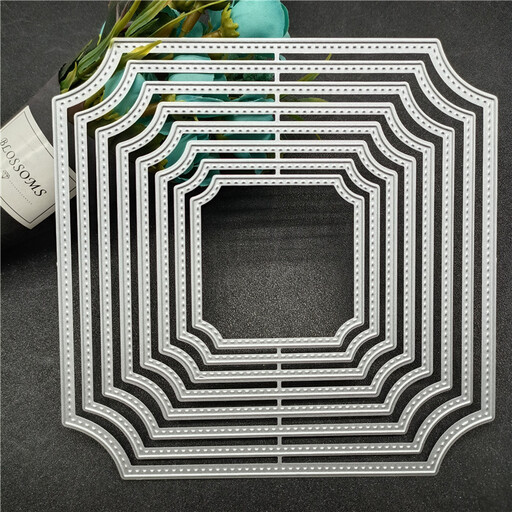
Why this choice suits this profile: Creators who care about their compositions get several frames to structure cards, invitations and album pages.
The set includes eight dies, so you don't need to buy several models separately. Check the dimensions of each frame to avoid ending up with duplicates.
An 8-piece set with irregular frame motifs for card making and album decoration.
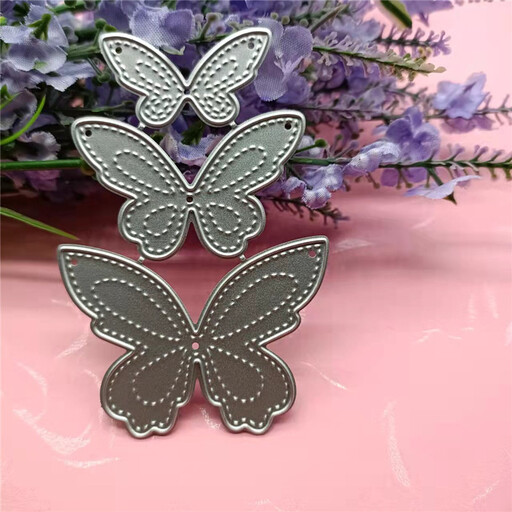
Why this choice suits this profile: Fans of themed compositions can incorporate three butterflies into their cards, albums or raised decorations.
The theme is clearly identified and the set includes three butterflies. You can therefore check that it matches your needs before buying, rather than choosing a vague assortment.
A specialised butterfly motif, suitable for cutting and decorative paper compositions.
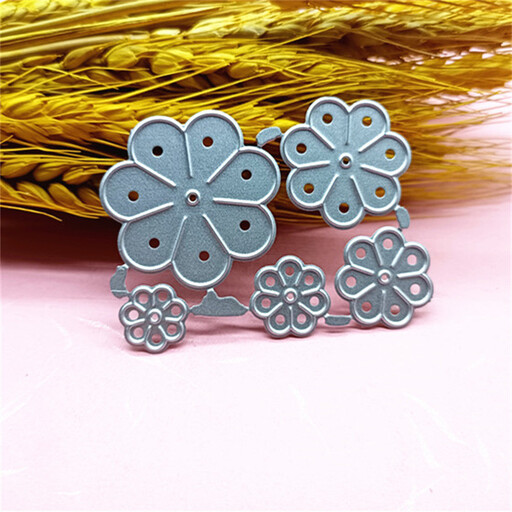
Why this choice suits this profile: The petal and leaf motifs lend themselves to raised floral creations and personalised card decorations.
The layered design is stated in the product name. Check the number of pieces and their dimensions before planning a specific composition.
A set dedicated to petals and leaves, ideal for layering and floral embellishments.
We've put together a comprehensive, real-time selection of products that meet these exacting criteria and comply with European safety regulations.
Use a machine with a pressure system that is compatible with flat dies. The exact compatibility varies depending on the manufacturer, format and thickness of the equipment. Consult your machine's manual before choosing your cutting stencils.
Its lifespan depends on how often you use it, the materials you cut, the pressure applied and how well you maintain it. Suitable cardstock and flat storage help to reduce wear. An uneven cut can also be caused by incorrect plate assembly rather than a worn die.
Yes, many patterns are designed for creative paper cutting, cards and photo album decoration. Flowers, leaves, butterflies, letters and frames fit easily into DIY craft projects. However, do check the dimensions so you can keep a margin around the pattern and choose a paper that is sufficiently suitable.