
Livraison le jour même ou le lendemain

Qualité garantie

Débloquez vos offres de bienvenue: Livraison GRATUITE | Jusqu'à -80 % | 30 jours d'essai gratuits à JoyPlus
Téléchargez l'application
Metal cutting dies for scrapbooking let you create regular shapes in paper, thin card or certain materials compatible with a cutting machine. With a suitable embossing function, they can also add texture to your designs. Whether you're making cards, decorating a photo album or personalising an invitation, choosing the right motif isn't everything.
Some mistakes crop up time and again at the point of purchase. Here are the main pitfalls to avoid before placing your order.
A die designed for cutting typically goes through the paper under the pressure of a suitable machine. An embossing stencil, on the other hand, is used to create a raised or textured effect. Some models combine both functions, but this versatility must be clearly stated in the product description.
Before you buy, check whether you're looking for cutting dies, embossing stencils or a kit that can do both.
A metal die isn't necessarily compatible with every cutting machine. The dimensions of the design, the thickness of the material and the plate system used can all directly affect the result. Too little pressure leaves partially cut areas, while too much pressure risks damaging the paper or the plates.
Consult your machine's manual and compare it with the information provided with the product. If the description lacks detail, do a test run on a scrap piece of paper before tackling a photo or a finished card.
A very intricate design may look appealing in a photo, but it can be difficult to remove in practice. Small elements, tight angles and highly detailed borders sometimes require a picking tool or a suitable type of paper. For regular use, it's better to choose a design that matches your skill level and the materials you use most often.
Metal dies are valued for their rigidity and precision. However, not all of them produce the same result. Examine the fineness of the lines, the closeness of the details and the width of the parts that need to stay connected after cutting.
For paper cutting, a moderately detailed design generally works well for cards and album pages. Very intricate designs are best left to users who are used to adjusting the pressure and carefully removing the cut pieces.
Measure the space available on your card, page or album. A large die can be used to create a background or a decorative panel, while a small design is better suited to labels, embellishments and layered compositions.
Metal dies for cards in particular should be chosen based on the size of the card once folded. For borders, also check the length of the design to avoid a decoration that's too short or difficult to align.
Start by defining your project before choosing the product:
When decorating a photo album, also check that the cut paper remains thin enough not to make the pages too bulky.
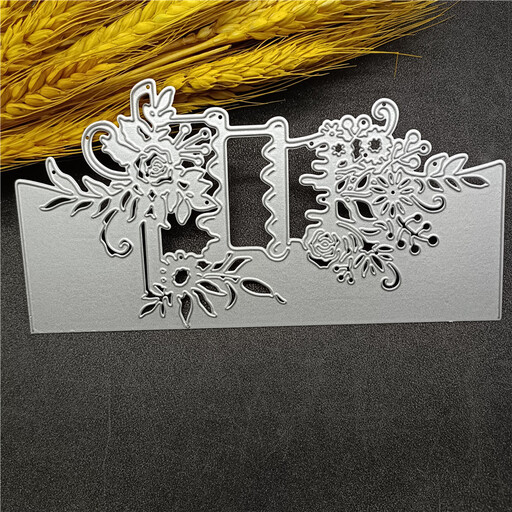
Why this choice suits this profile: This versatile model is a great starting point for making cards and decorating paper without needing lots of different references from the outset.
Its title clearly states the uses for scrapbooking, photo albums and DIY cards – you can compare the design with your projects before buying.
A metal die designed for cutting and for various paper crafting projects.
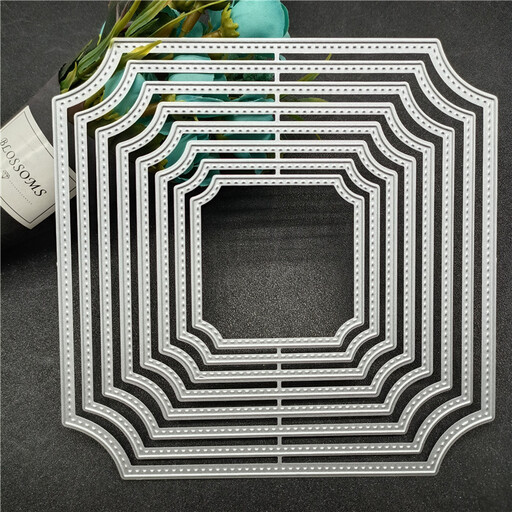
Why this choice suits this profile: This set of eight pieces lets you create frames and overlays for wedding cards or particularly detailed compositions.
The set clearly states the number of pieces and its focus on frames – you can assess the variety on offer rather than relying solely on the photo.
Eight dies, irregular-shaped frames and floral motifs mentioned in the description.
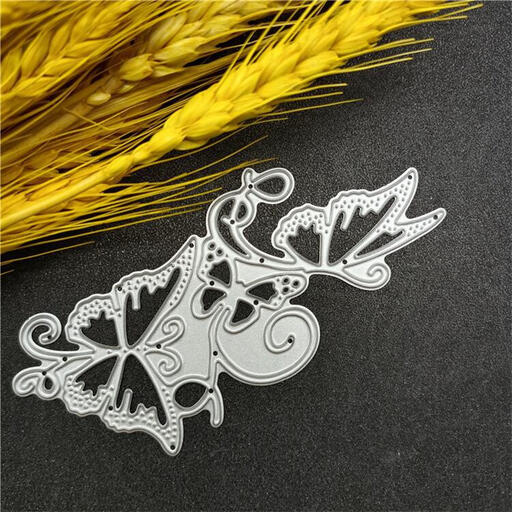
Why this choice suits this profile: Geared towards backgrounds and frames, this model is aimed at crafters who regularly create compositions for parties, weddings or albums.
The description mentions the 3D background and frame functions. You can therefore check that it's suitable for a structured composition, rather than just a small decorative shape.
A die designed for backgrounds, frames, albums and decorative cards.
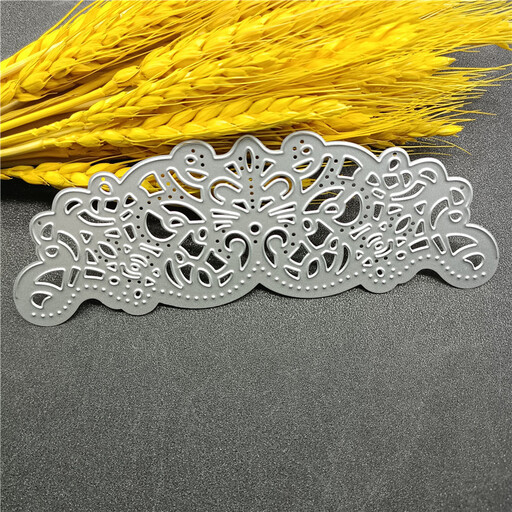
Why this choice suits this profile: This product focuses on decorative borders, ideal for highlighting a card, an album page or an invitation.
Its title distinguishes the border function and the embossing use – still check the size and compatibility before confirming your order.
A metal border design, advertised for cards, with an embossing function.
We've put together a comprehensive, real-time updated selection of products that meet these demanding criteria and European safety standards.
To protect your materials and achieve a clean cut, follow these steps:
Lace border dies and very detailed designs may need several passes or careful cleaning after cutting. If you're working on photos, start by making a template from ordinary paper to check the dimensions.
These dies are generally designed for a mechanical cutting machine that works with suitable plates and a platform. Compatibility depends on the size, thickness and pressure system. Always check your machine's manual and the product description.
It depends on how often you use it, the materials you cut and your machine's settings. Thin paper and suitable card put less strain on the die than materials that are too thick. Avoid forcing the cut and store your dies flat to reduce the risk of warping.
A metal die intended for cutting generally requires consistent mechanical pressure. A simple roller or manual pressure won't guarantee a clean cut and could even pose a risk of injury. For working without a machine, choose a stencil designed for hand marking or decorating.