
Livraison le jour même ou le lendemain

Qualité garantie

Débloquez vos offres de bienvenue: Livraison GRATUITE | Jusqu'à -80 % | 30 jours d'essai gratuits à JoyPlus
Téléchargez l'application
Creating a personalised card or decorating a photo album ultimately requires very little equipment. The key is choosing tools suited to your projects. Metal cutting dies for scrapbooking come in a wide range of shapes, patterns and sizes. Despite their appealing designs, some products can disappoint if you do not check their compatibility, the intricacy of the pattern or the exact contents of the set.
Here are the criteria to consider before buying, along with a selection of tools suited to different types of creative user.
A metal die is used to cut a design from paper, while an embossing stencil is mainly intended to create dimension or texture. Some products combine both functions, but this is not always the case. Take the time to read the description and check whether the tool is designed for cutting, paper embossing or both.
A die will not necessarily work with every cutting machine. The format, thickness and pressure required can vary from one model to another. Before ordering, check:
A design described as versatile may therefore need additional accessories. This is a detail that can significantly increase the overall cost of your project.
A detailed photo does not always show the design’s actual size or how intricate its cuts are. When cutting paper, a highly intricate design may require extra care when removing the paper. Conversely, a simple shape will often be easier to incorporate into a card or scrapbook page.
Look at the images from several angles, find the stated dimensions and check whether the set contains a single die or several matching pieces.
Metal dies are valued for their rigidity and ability to retain a precise shape. However, the word “metal” alone is not enough to guarantee compatibility with your equipment. It is best to consult the manufacturer’s information, examine the finish and check for any fine edges or intricate cut-outs.
For punching tools, a metal construction can also be beneficial for regular use. The Deli Single Hole Punch is described as a silver-coloured metal tool with a simple punching mechanism. It is suitable for creating holes at flexible intervals, particularly in tags, cards or certain DIY craft projects.
Dies for card making should match the style of your projects. Butterflies, flowers, hearts, candles and seasonal designs are easy to incorporate into creative card projects. Embossed backgrounds and frames require more space, but can transform a plain sheet into a real decorative feature.
Also consider the paper you are using: thin paper, card, vellum and printed sheets do not all react in the same way. Test the die on a scrap piece before cutting your final design.
After each use, remove any paper fibres trapped in the details of the design. Store dies flat, in a pouch or compartmentalised box, to prevent warping and avoid misplacing small pieces.
Punches and dies contain sharp parts. Keep them out of the reach of young children. When using a punch, also follow the stated sheet capacity and never put your fingers inside the mechanism.
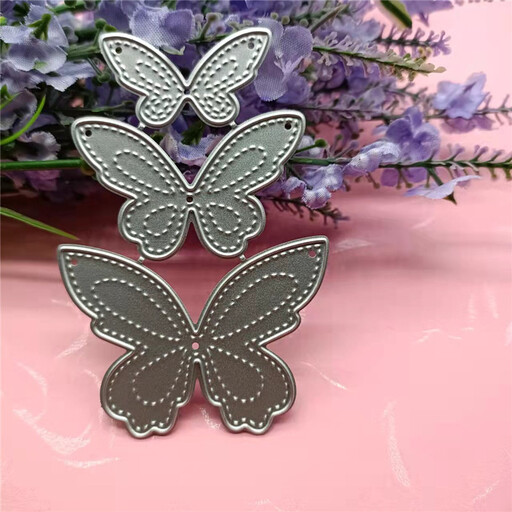
Why this choice suits this profile: With three butterflies, this set is a simple way to get started with creative card making. The designs are easy to pair with colourful papers, messages or scrapbook decorations.
The product name clearly states the number of designs included. This lets you compare the contents of the set with your needs before buying, rather than relying solely on the photo.
An easy-to-use butterfly design, with stated applications for scrapbooking, cards, albums and embossing.
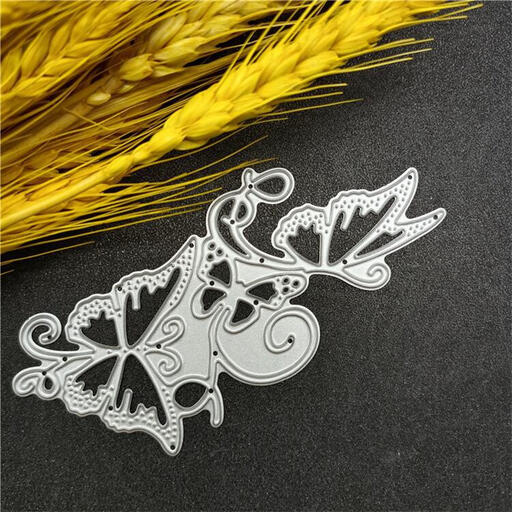
Why this choice suits this profile: This product is aimed at crafters who want to create more elaborate designs with a background, frame or party decoration.
The term “3D” is associated with a background and frame in the product name. Nevertheless, check the dimensions and compatibility with your machine before ordering.
A background design, a stated framing function and applications for albums, cards and decorations.
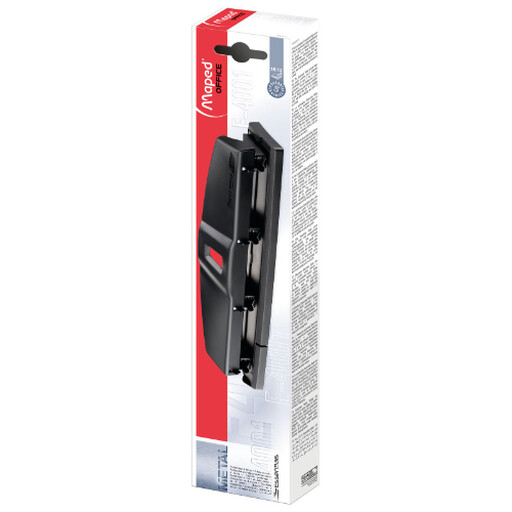
Why this choice suits this profile: This metal punch is designed for repeated use in the office, classroom, home or workshop, where several sheets need to be punched at once.
The stated capacity is 10 sheets of 80 g/m² or 12 sheets of 70 g/m². This information helps you avoid exceeding the recommended load.
An all-metal construction, four-ring binder alignment, confetti container and stated five-year manufacturer’s warranty.
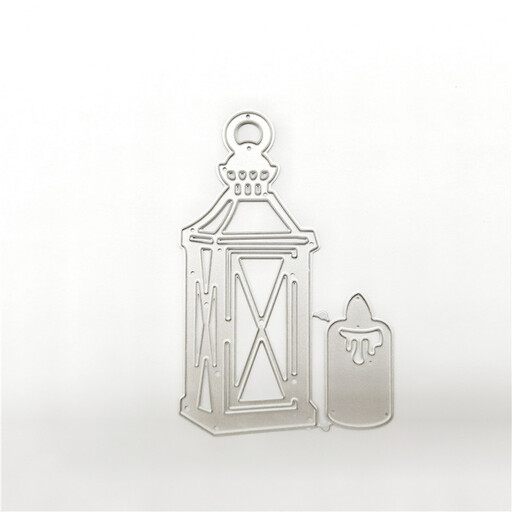
Why this choice suits this profile: This openwork lamp design would be at home on a birthday card, scrapbook page or themed decoration that needs an instantly recognisable visual element.
The word “openwork” indicates a design with cut-out details. Check its size and the intricacy of the cuts to avoid a result that looks out of proportion on your card.
A lamp design, an openwork construction and stated applications for birthday cards and albums.
We have put together a comprehensive selection, updated in real time, of products that meet these demanding criteria while also taking European safety regulations into account.
For a clean cut, place the paper completely flat and check the alignment before starting the machine. With a detailed design, adding a protective sheet or running it through the machine an extra time may sometimes be necessary, depending on the equipment used. If the die does not pass through correctly, never force it: first consult the machine manufacturer’s recommendations.
Paper scraps can be used to create confetti, tags or layered decorations. This is a great way to reduce waste while testing different colour combinations before finalising your design.
No. Compatibility depends on the die’s format and thickness, as well as the pressure available. Check the machine’s technical specification and the product information before buying.
A paper punch generally has a mechanism operated by hand. A cutting die is a separate die used with a compatible machine. A punch is suitable for simple, regular holes, while dies can create decorative shapes such as flowers, butterflies or festive designs.
Remove paper residue after each project, avoid materials thicker than those recommended and store the dies flat. When using openwork designs, handle the paper carefully to avoid deforming the small details.