
Livraison le jour même ou le lendemain

Qualité garantie

Débloquez vos offres de bienvenue: Livraison GRATUITE | Jusqu'à -80 % | 30 jours d'essai gratuits à JoyPlus
Téléchargez l'application
A poorly chosen die can quickly end up at the back of a drawer. Whether you are scrapbooking, making cards or decorating a photo album, product images do not always tell you whether a design will be compatible with your machine, your paper or your creative style.
Metal cutting dies for scrapbooking generally come in the form of cutting outlines, metal stencils or dies that can create a raised effect. Before placing your order, there are three common pitfalls worth considering.
A design presented as a “stencil” may be used for cutting, creating a raised effect or both, depending on its design and the machine being used. A cutting die generally has a cutting edge around its perimeter, whereas an embossing die is designed to press the paper without necessarily cutting through it.
Take the time to check the function stated in the product listing, along with any accessories required. When personalising a card, a clean cut will create a completely different effect from a simple raised design.
A design that is too large for the cutting plate or machine may become unusable. Conversely, a small die will be perfect for tags but will struggle to cover the entire front of a card.
Before ordering, compare:
Precise dimensions are not always included in commercial product titles. It is therefore best to check the information available on the product page carefully.
A set of dies for card-making may seem like good value, but some designs are highly specialised. A series of flowers, butterflies or borders will be useful if it matches the projects you usually create. It will be much less useful if you mainly make birth cards, family albums or seasonal decorations.
Variety cannot replace consistency. Start by choosing a design family: botanical, animal, festive, geometric or decorative.
A metal die should have a sufficiently even outline to follow the design without causing tears. Very fine designs, such as butterfly wings or floral details, require extra care when removing the paper.
To avoid unpleasant surprises, examine the complexity of the design and choose suitable paper. Heavyweight card, glitter paper or several glued layers may require multiple passes through the machine. Then gradually remove the small cut-out pieces using a spatula or precision tool.
For card-making, dies for card-making and greeting card dies should be proportionate to the available surface. A border is suitable for a card front or frame, while a floral design can act as a focal point.
In an album, background designs, frames and repeated shapes make it easier to decorate several pages. DIY paper accessories should therefore remain versatile enough to work with different papers and themes.
After each use, remove any paper fibres caught in the details of the design. Store the dies flat, in a dedicated pouch or box, to prevent scratches and distortion. A metal die is not designed to be bent or used with material thicker than that recommended by the machine.
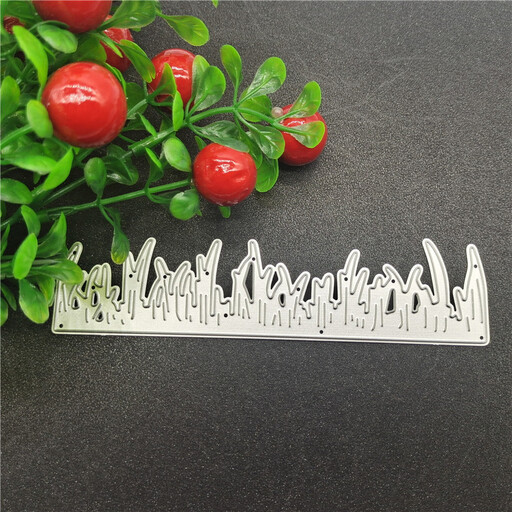
Why this suits this profile : A botanical border lets you personalise cards and album pages with an instantly recognisable design, without building up a large collection.
The design meets a specific need for a border and avoids buying an assortment in which several shapes would go unused.
Botanical border with stated suitability for scrapbooking, albums and card-making.
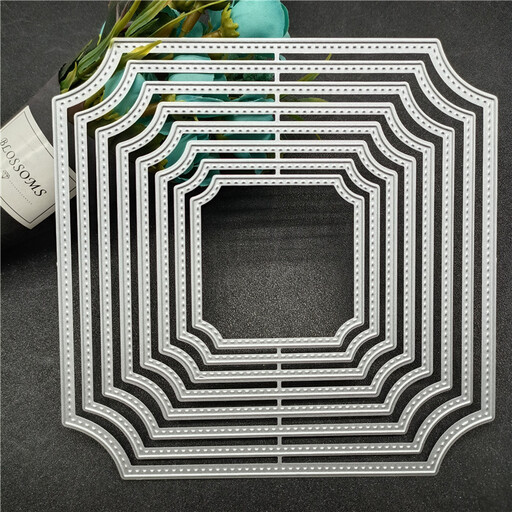
Why this suits this profile : Crafters who enjoy detailed compositions can vary the frames used for their cards, album pages or invitations.
The set focuses on irregular frames: its appeal lies in a clearly defined variation rather than a vague promise of versatility.
Set of 8 pieces with frame shapes designed for wedding cards, albums and paper decorations.
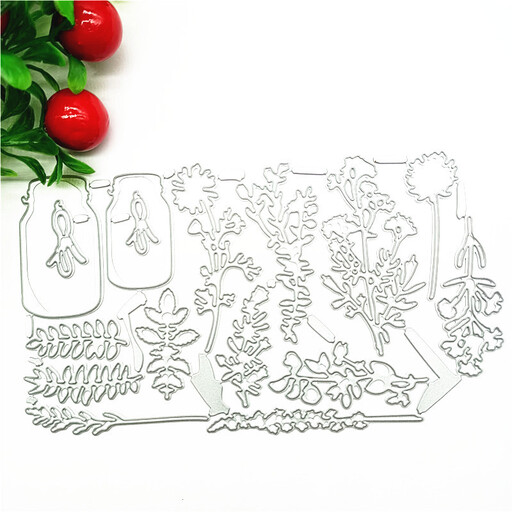
Why this suits this profile : A border die fits easily into a repetitive production process for cards, albums and paper decorations.
Its border function is clearly identifiable. You can check whether it meets your needs before buying and avoid a design that is too specialised.
Format stated for borders, with intended use in scrapbooking, decorative embossing and card-making.
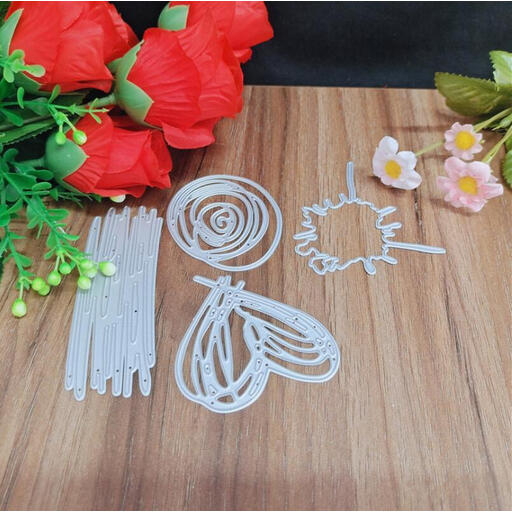
Why this suits this profile : This type of die is suitable for festive cards, album decorations and projects linked to special occasions.
The festive theme is clearly stated: you can save the die for relevant creations instead of buying a set with no specific purpose.
Design intended for celebrations, scrapbooking, paper cards and decorative embossing.
We have put together a complete, real-time updated list of products that meet these strict selection criteria and European safety regulations.
When buying in France, this information allows you to compare products in practical terms. However, it does not replace the manufacturer’s guidance on product compatibility and use.
You need a manual or electronic cutting machine compatible with physical dies, depending on the model you choose. Traditional metal dies are used with a stack of plates and a cutting mat. Always check the accepted dimensions and your machine’s instructions before forcing the die through.
Its lifespan depends on the metal, frequency of use, type of paper and pressure applied. Correct use, flat storage and regular cleaning help to minimise wear. Very thick or abrasive paper, or paper containing glitter, can accelerate the loss of outline precision.
Yes, provided that the design and its dimensions suit both surfaces. Flower and butterfly dies often work well on cards, while decorative border dies are better suited to frames and album pages. For raised or particularly thick creations, however, check the total thickness of the paper and embellishments.