
Livraison le jour même ou le lendemain

Qualité garantie

Débloquez vos offres de bienvenue: Livraison GRATUITE | Jusqu'à -80 % | 30 jours d'essai gratuits à JoyPlus
Téléchargez l'application
Creating a handmade card, personalising a photo album or preparing decorations for a wedding invitation becomes much easier with the right cutting dies. However, not all metal cutting dies for scrapbooking are equal, nor do they meet the same needs. A design that is too delicate, unchecked compatibility or a set that is less complete than advertised can quickly turn a creative purchase into an accessory left at the back of a drawer.
Here are the criteria to consider before choosing your card dies, embossing stencils or paper craft accessories.
A die can look very appealing in a photo yet produce a result that is unsuitable for your project. Flower and leaf dies generally work well in botanical compositions, while alphabet and number dies are better suited to creating names, dates and personalised messages.
Before ordering, examine the design carefully and ask yourself whether it matches the type of projects you usually make:
Metal dies are generally used with a compatible manual cutting machine or embossing system. However, die size, plate configuration and paper thickness can vary from one machine to another.
The product listing should specify the dimensions, material and intended use. If the information is incomplete, take the time to check compatibility with your machine before placing your order. A die designed for paper will not automatically be suitable for thick card, foam or fabric.
The word ‘durable’ alone says nothing about the thickness of the metal, the fineness of the details or how easily the paper can be removed. When comparing models, look instead for the following information:
These details help you avoid unpleasant surprises and choose a set that is genuinely suited to the way you make cards.
The metal should retain a regular shape as it passes through the machine. A carbon steel die, such as the tree model shown below, provides a specific indication of the material used. However, this alone does not guarantee the same performance with every type of paper and machine.
Highly detailed designs, particularly butterfly dies, lace borders and certain foliage patterns, may require a little more care when removing the paper. Depending on the shape chosen, a precision mat, wax sheet or extraction tool can make it easier to separate the paper.
A large design can become the centrepiece of a scrapbook page, while a small flower may be more suitable for a card or tag. Check the dimensions shown on the product listing and compare them with the size of your project.
To create a balanced composition, you can combine:
The terms ‘cutting die’, ‘stencil’ and ‘embossing’ can refer to different functions. A cutting die removes a shape from the paper, while an embossing stencil creates a raised design without necessarily cutting it out.
Read the description carefully and examine the product photos. If you want to create scrapbook decorations, embossed cards and die-cut elements, check that your machine and its plates support both operations.
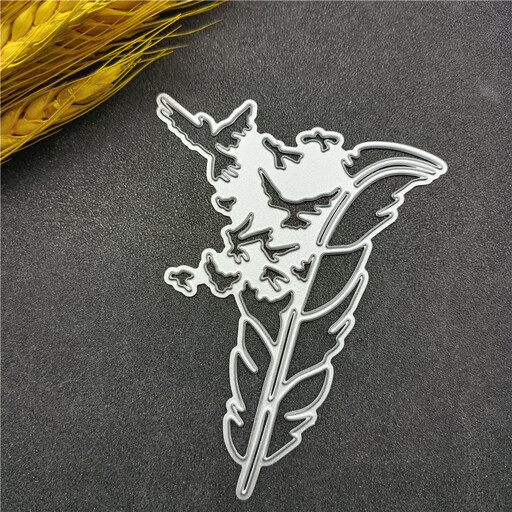
Why this choice suits this profile: This floral design is a versatile starting point for cards, albums and paper compositions. It lets you try out different layouts without immediately investing in a highly specialised set.
The listing clearly states that it is suitable for scrapbooking, cards and embossing. You can therefore check its compatibility with your machine before ordering.
An easy-to-identify floral design, advertised for paper, cards and albums.
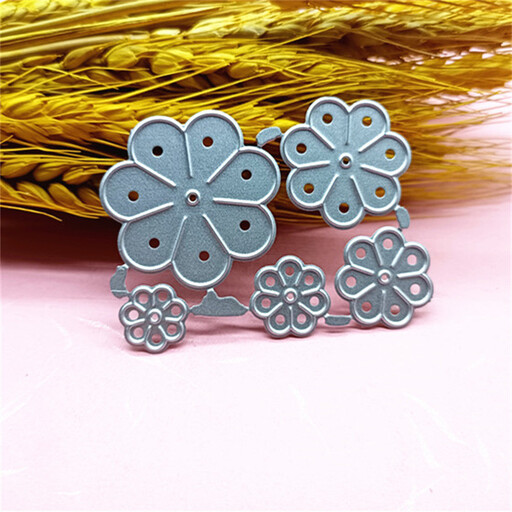
Why this choice suits this profile: Crafters who enjoy detailed compositions can combine the petals and leaves to build multi-layered flowers.
The set is presented as a collection of petals and leaves rather than a single design. This arrangement lets you control the layering and visual depth of the decoration.
A set dedicated to flowers and leaves; ideal for cards and decorative paper crafts.

Why this choice suits this profile: This die is designed for projects that need a finished edge, particularly invitations, cards and floral-themed album pages.
Its title specifies the border function and its suitability for wedding invitations. You can therefore choose it for a targeted finish without buying a general-purpose set.
A floral lace border advertised for scrapbooking, cards and invitations.
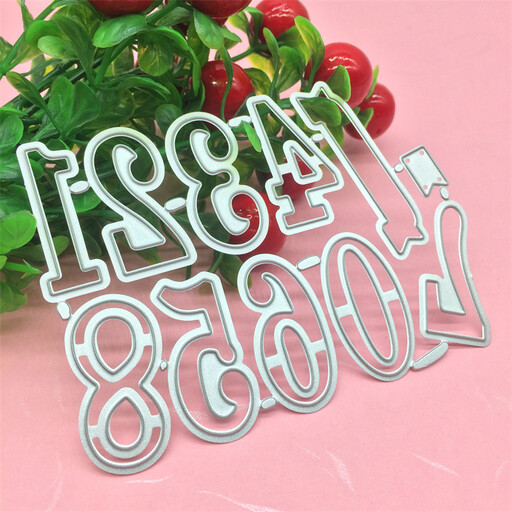
Why this choice suits this profile: This set is ideal for people who regularly create names, dates, page titles or messages for special occasions.
The title clearly distinguishes the 26 capital letters from the 10 numbers. This detail makes it easy to check the contents of the set before buying.
A capital-letter alphabet accompanied by numbers; practical for cards, albums and personalised paper creations.
We have put together a complete, real-time updated list of products that fully meet these strict selection criteria and European safety regulations.
After each use, remove small pieces of paper with a soft brush or a suitable tool. Avoid metal objects, which could scratch or deform the edges. Store the dies flat in a dedicated pouch or box to protect them from moisture and prevent small pieces from getting lost.
With intricate designs, start by using medium-weight paper and carry out a test. Then adjust the plates or shims according to your machine’s recommendations. This method reduces the risk of putting excessive pressure on the die and lets you check the result before producing a whole batch of cards.
No. Compatibility depends on the machine format, the plates used, the thickness of the material and the type of die. Check your machine’s instructions and the product listing before buying. Testing on a piece of scrap paper can also help you determine the pressure required.
Its lifespan depends on how often it is used, the paper selected, the pressure applied and storage conditions. Regular use with suitable paper, without forcing the machine, helps preserve the cutting edges. Statements about the material or durability should be regarded as advertised product features, not as a guarantee of longevity in every situation.
Some dies are specifically designed for floral borders, wedding motifs or greetings cards. However, check the dimensions of the design and the thickness of the paper used for your invitations. For a harmonious result, pair a lace border with a central floral element, then add the details using alphabet and number dies.