
Livraison le jour même ou le lendemain

Qualité garantie

Débloquez vos offres de bienvenue: Livraison GRATUITE | Jusqu'à -80 % | 30 jours d'essai gratuits à JoyPlus
Téléchargez l'application
Metal cutting dies for scrapbooking are used to create clean, precise shapes in paper, lightweight cardstock, and certain materials compatible with a die-cutting machine. They are equally useful for DIY paper crafting, cardmaking, invitations, and photo album decoration.
Product listings are not always as clear as they should be. An attractive design does not guarantee compatibility with your machine or a clean cut in your chosen paper. Here are the key points to review before adding cutting dies to your craft supplies.
The terms “die,” “stencil,” and “template” are sometimes used interchangeably, even though they do not refer to the same product. A cutting die generally has a sharp edge that scores and separates the paper under the pressure of a machine. An embossing stencil is primarily used to create raised details, depending on the accessories and plates used.
Before placing your order, check whether the product is described as:
A product photo alone is not always enough to determine its exact function.
A die may appear perfect for a standard card but turn out to be too small for an album cover or too large for an invitation. The measurements that matter are those of the finished motif—not just the dimensions of the metal plate.
When creating birthday or wedding cards, measure the following first:
Nesting dies, such as layered frames, are particularly practical when you need several sizes.
A set containing letters, flowers, butterflies, and borders may seem like excellent value. However, if you mainly use alphabet dies, the decorative motifs may remain at the bottom of a drawer. Conversely, someone creating invitations will often need borders and frames more than small standalone elements.
The right choice therefore depends on the projects you plan to work on over the coming weeks: cards, albums, tags, invitations, or page decorations.
Metal dies must be used with a compatible machine and plate combination. Consult your device’s manual to check:
Never force an assembly that is too thick through the machine. Excessive pressure can mark the plates, warp the die, or damage the machine.
Results vary depending on the material used. Craft paper, cardstock, vellum, glitter paper, and lightweight board do not respond in the same way. Highly detailed motifs, such as lace patterns or certain butterfly wings, often require well-supported paper and correctly adjusted pressure.
For photo album decoration, choose motifs that remain legible at the intended size. On a card, a finer detail can work well as a border or layered element, but it may be less visible against an already busy background.
Sets may contain a single shape, several variations, or nesting elements. A collection of flower and butterfly dies is well suited to decorative compositions, while an alphabet die set is better suited to names, dates, and personalised messages.
Before ordering, check the advertised elements and the total number of pieces. Some titles mention an “alphabet” while offering a variant that also includes numbers. Always consult the listing that corresponds precisely to your needs.
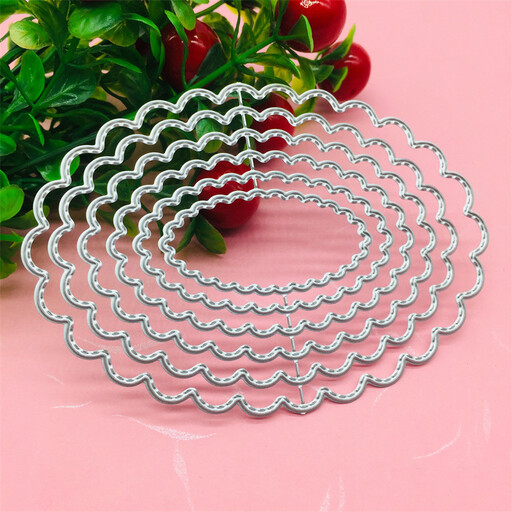
Why this choice suits this profile: the different frame sizes can be used as the basis for cards, tags, or photo frames, without requiring a large collection from the outset.
The nesting structure makes it easier to assess the available sizes before buying, rather than relying solely on an enlarged image.
Lace-frame design with nesting sizes advertised for cardmaking, scrapbooking, and embossing.
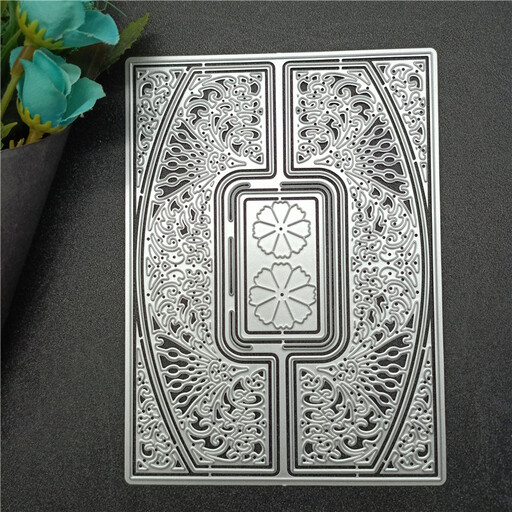
Why this choice suits this profile: its frame design gives the composition structure while leaving a central area for a message or photo.
The design is clearly identified as a floral frame, making it easier to anticipate its decorative role than with a set whose functions are poorly described.
Suitable for floral compositions, cards, and album pages, depending on the paper and machine used.
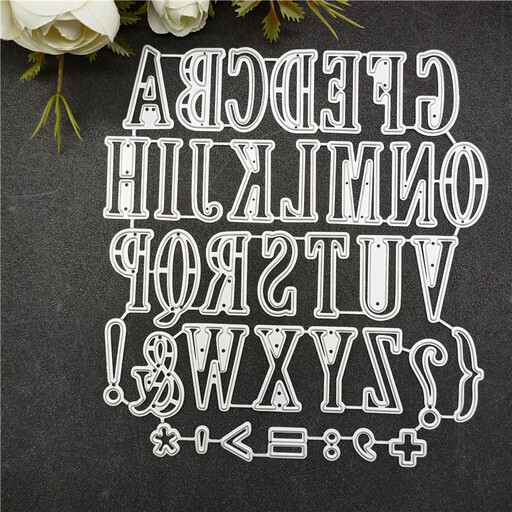
Why this choice suits this profile: the letters can be used to create names, initials, dates, or messages for birthday and wedding cards.
The number of letters is stated explicitly in the title, making it easier to verify the contents of the set.
Set advertised with 26 uppercase letters for paper crafts, albums, and cards.
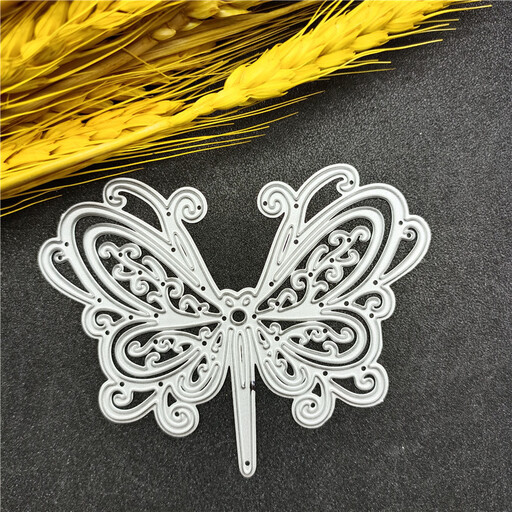
Why this choice suits this profile: butterflies blend easily into album pages, invitations, and cards with a spring or floral theme.
The listing distinguishes this design from other butterfly variants, reducing the risk of ordering a different size from the one you need.
Suitable for layering, creating decorative borders, or building DIY paper embellishments.
To minimise failed cuts, start by testing the die on a scrap of the same paper intended for your project. If some details remain stuck in the die, use a suitable cutting mat, adjust the plate sandwich recommended by the machine, and carefully release the paper with a fine tool.
After each use:
This system will save time when creating birthday or wedding cards, as well as album pages.
We have brought together an updated selection of products that meet these purchasing criteria and the compliance information applicable in France.
You need a manual or electric die-cutting machine compatible with metal dies and their dimensions. Consult the device manual before buying, paying particular attention to the thickness of the plates and material.
Longevity depends on how often the die is used, the paper selected, the pressure applied, and storage conditions. A die that is cleaned properly, kept dry, and used with a suitable plate combination can remain usable for a long time. However, without technical data from the manufacturer, it is not possible to provide a precise lifespan.
No. Cardstock, lightweight paper, vellum, and textured materials may require different settings. Always test the motif on a scrap before using it on an invitation or a final album page.