
Livraison le jour même ou le lendemain

Qualité garantie

Débloquez vos offres de bienvenue: Livraison GRATUITE | Jusqu'à -80 % | 30 jours d'essai gratuits à JoyPlus
Téléchargez l'application
Metal cutting dies for scrapbooking are used to create crisp, clean shapes in paper, thin card and other materials compatible with a cutting machine. They can also produce embossed effects when used with embossing folders, making them ideal for card making, decorating photo albums and other papercraft projects.
However, buying them isn't without its pitfalls. A die that's incompatible with your machine, a design that's too delicate, or a set that lacks versatility can quickly end up gathering dust in a drawer. Here are the key factors to consider before choosing cutting dies, alphabet dies, butterfly designs or floral and leaf motifs.
A metal die usually can't be used on its own. It needs to be paired with a compatible machine, the right cutting plates and, depending on the effect you want, a shim or an embossing mat. Before you place an order, make sure you check:
Product listings don't always include all this information. If you're in any doubt, consult your machine's manual and the product's detailed specifications.
A photo can make a design look large when it's actually intended for a small card. For your custom card-making projects, always check the actual dimensions, especially if you're planning to cut out a name, a border or a floral arrangement.
Intricate, lacy designs also need more care when removing the cut pieces. Paper can get stuck in the fine details if the paper weight, pressure or plates you're using aren't suitable.
A bundle with lots of different shapes won't necessarily be useful for your projects. For decorating a photo album, leaves, flowers and borders are generally easy to combine. For card making, butterflies, letters, numbers and symbols can be more practical. Start by identifying the projects you do most often, so you can avoid duplicates and unnecessary purchases.
Dies for cutting machines are designed to cut, emboss, or sometimes do both. The product listing should clearly tell you whether it's:
For card making, also compare the size of the design with the card formats you use: A6, square cards or folded styles.
Products in this category are generally made from thin metal. However, listings don't always specify the grade, thickness or surface treatment. So don't automatically assume a long lifespan just because the title uses words like "durable" or "sturdy".
Look for descriptions that clearly state:
For a purchase in the UK, also check that the information is in English, who the seller is, and whether there are any safety instructions. CE marking doesn't automatically apply to all craft accessories, so its absence alone isn't enough to judge the product's quality.
A box of alphabet dies can be used to personalise cards, labels and albums. Numbers are handy for birthdays, dates and keepsakes. Floral and leaf designs are better suited to repeated decorations, while borders help structure a page.
When selecting your scrapbooking tools, think about how many designs you'll actually use and how often you craft. A small, well-chosen set will often be more useful than a large collection of mismatched shapes.
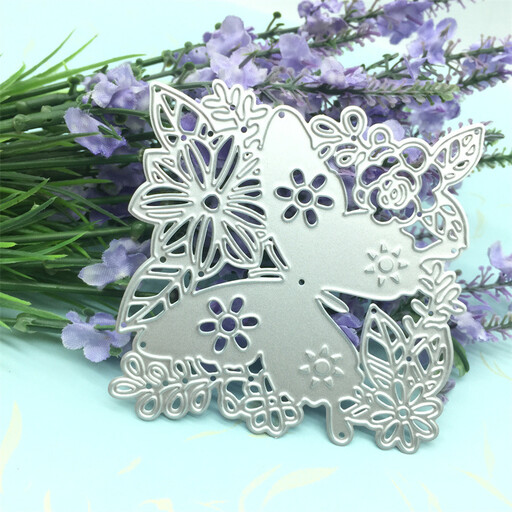
Why this choice suits this profile: This duo lets you get started with designs that are easy to incorporate into a card or album page, without having to invest in a full set straight away.
The contents are limited and clearly stated: you can check before buying whether these two shapes match your projects.
Two decorative designs are mentioned in the title: a butterfly and a flower, giving you some variety in your compositions.
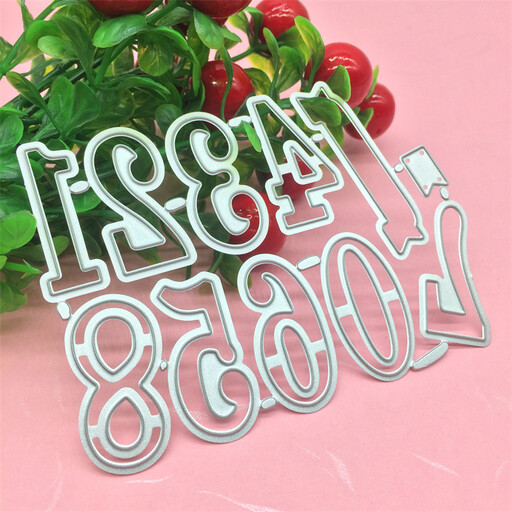
Why this choice suits this profile: Creators who regularly personalise their cards and albums will find a complete alphabet set far more useful than just a few individual characters.
The contents are detailed: 26 capital letters and 10 numbers. You can therefore compare it precisely to your lettering needs.
The set is described as containing 36 dies: capital letters and numbers for composing words, names and dates.
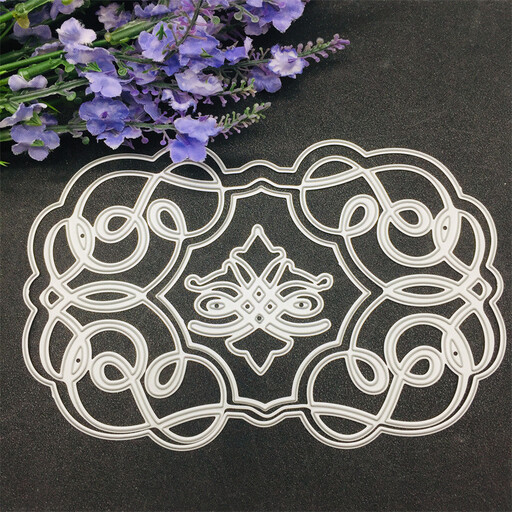
Why this choice suits this profile: Regular users who decorate lots of pages can rely on border designs to structure their compositions.
The intended use is clearly targeted: borders, papercrafts and embossing lace designs. This makes it easier to compare against a specific need.
Metal templates designed for creating borders and lace patterns for card making and scrapbooking.
We've put together a comprehensive, real-time list of products that fully meet these strict selection criteria and European safety regulations.
For successful paper cutting and embossing, place the sheet flat and increase the pressure gradually. If the handle or mechanism feels stiff, don't force it. Remove small pieces of paper with a fine, non-sharp tool to avoid damaging the die.
After each use:
The result also depends on the paper you use. Thick card, textured paper or several layers glued together will all behave differently. Do a test on a scrap piece before you start on your final card or page.
No. Compatibility depends on the plate system, the machine's opening width and the thickness it can handle. Check your machine's manual and the product listing before you buy.
A cutting die usually has a sharp edge designed to cut through paper in a precise shape. An embossing folder is mainly used to create a raised design. Some models are described as versatile, but the result depends on the equipment you use and the pressure setting.
There's no universal lifespan. How often you use it, the type of paper, the pressure applied and how you store it all affect its condition. By following your machine's recommendations and cleaning the die regularly, you can reduce the risk of it becoming bent or clogged.