
Livraison le jour même ou le lendemain

Qualité garantie

Débloquez vos offres de bienvenue: Livraison GRATUITE | Jusqu'à -80 % | 30 jours d'essai gratuits à JoyPlus
Téléchargez l'application
A small cut, a blister after a hike, or a corn rubbing inside a shoe don't necessarily require the same type of protection. Yet, packaging often piles on promises — "waterproof", "breathable" or "ultra-thin" — without specifying which situations each product is actually suited for.
To choose Mercurochrome plasters that match your needs, focus on three things: the area to protect, the condition of the skin, and exposure to water or friction. These few criteria will help you avoid making the wrong purchase.
A waterproof plaster or water-resistant adhesive tape can protect an area during a shower or brief contact with moisture. This doesn't guarantee it will stay perfectly in place after prolonged swimming, repeated movement, or full immersion.
For a superficial wound, check the usage instructions and replace the plaster as soon as it becomes damp, dirty, or starts to peel off. Good adhesion also depends on skin preparation: the skin must be clean and perfectly dry around the affected area.
A blister on the heel or a toe doesn't experience the same pressure or friction as a small cut on a finger. A standard plaster is likely to peel off quickly if it doesn't conform properly to the shape of the foot.
Hydrocolloid plasters and plasters specially designed for blisters cover the area with a flexible border. They are not a substitute for medical advice in the case of an infected, deep, or persistent wound, but they can effectively protect an uncomplicated blister, in line with the instructions on the packaging.
Anti-blister tape should be applied to intact skin, before activity or before putting on your shoes. It should not be applied directly to an existing blister, an open wound, or irritated skin if the instructions advise against it.
On an already damaged area, opt for a blister plaster or a sterile dressing held in place with a suitable adhesive tape.
A micro-perforated or micro-ventilated backing promotes air circulation around the skin. It can be useful for holding a sterile dressing in place or securing a device on a finger, a joint, or any other moving area.
Fabric models are generally flexible and follow movement well. However, sensitive skin should be monitored regardless of the brand: redness, itching, and irritation are all signs that should prompt you to remove the product.
Check the dimensions rather than relying solely on the picture. A 7 m × 2.5 cm roll offers a comfortable length for regular needs, while a box of pre-cut plasters simplifies everyday care.
For heels and toes, look for a sufficiently wide shape with tapered edges. For corns and calluses, a pressure-relieving foam pad can reduce contact with the shoe, but it is not a treatment for the corn itself.
A non-adherent dressing reduces the risk of it sticking to the wound when removed. Individually wrapped sterile dressings are easy to keep in a first-aid kit, provided you check that the packaging is intact.
A plaster should not be reused, unless otherwise stated for a washable device. Consult the instructions and packaging for the expiry date, batch number, and any age or usage restrictions.
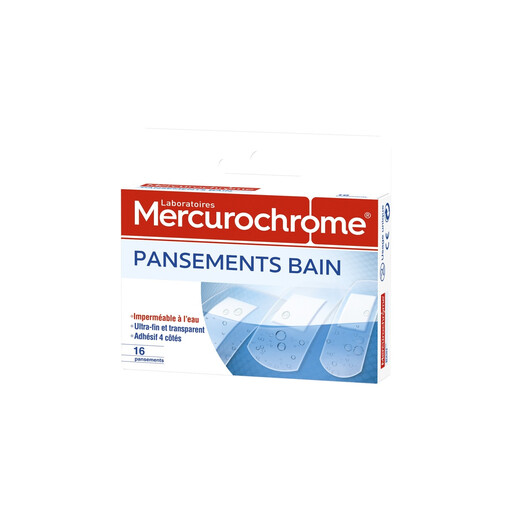
Why this choice suits this profile: The 16 pre-cut plasters are ideal for everyday small cuts and grazes. Their format is particularly simple to use at home.
The pre-cut format prevents choosing a strip that is too short or poorly positioned. The non-adherent cushion is designed not to stick directly to the wound.
Transparent, ultra-thin backing, water-resistant design, 16 plasters per box.
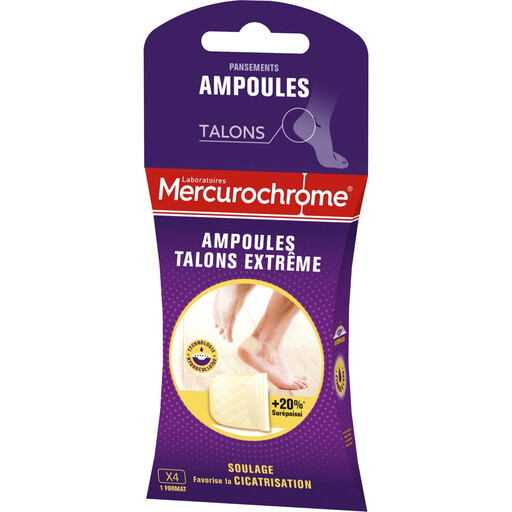
Why this choice suits this profile: The reinforced relief and tapered edges target blisters on the heel and sole of the foot, particularly during activities involving repeated pressure.
Its dedicated heel shape prevents using a standard plaster on an area that is heavily stressed by the shoe.
Hydrocolloid technology, mesh claimed to be 20% thicker than the standard model, box of 4.
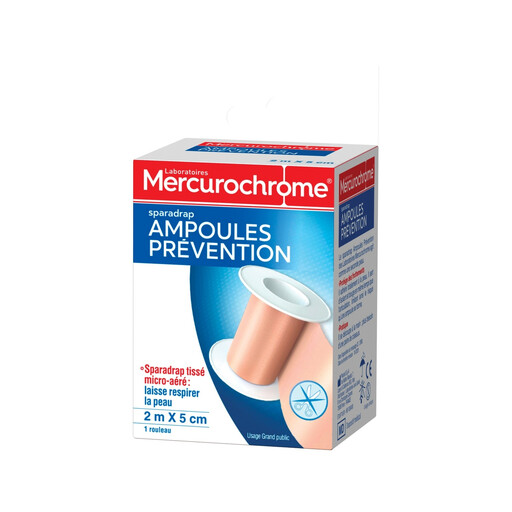
Why this choice suits this profile: Hikers, runners, and people regularly exposed to friction can cut the required length before putting on their shoes.
It is intended for prevention on intact skin. So, it's impossible to confuse it with a treatment for an already formed blister.
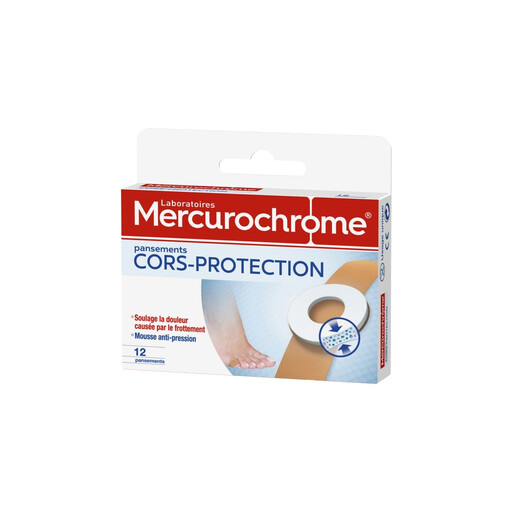
Why this choice suits this profile: People bothered daily by a corn or callus benefit from a format designed for toes and areas in contact with the shoe.
The pressure-relieving foam addresses a specific need, without replacing a plaster intended for a wound on an area that requires a cushion.
Adhesive protection, pressure-absorbing foam, and 12 plasters per box. Use on intact skin, following the precautions provided.
We have compiled a comprehensive, real-time updated list of products that meet these demanding selection criteria and European safety standards.
Hydrocolloid models can stay in place for several days, depending on the manufacturer's instructions. However, remove them if they peel off, become dirty, or cause irritation. A blister that is very red, swollen, persistently painful, or contains pus should be examined by a healthcare professional.
For a small wound, a waterproof or water-resistant plaster with well-adhering edges can work. Carefully dry the skin around the wound before applying it, and replace the plaster after contact with water if it is damp or peeling off. Hydrocolloid plasters designed for blisters serve a different purpose.
Clean the area, dry the surrounding skin, then place the sterile dressing without touching the part intended to cover the wound. Hold it in place with an adhesive tape applied to dry skin. The Mercurochrome micro-perforated, water-resistant tape can be torn by hand and used to secure a dressing, but should not be applied directly to an open wound, in accordance with the provided instructions.