
Livraison le jour même ou le lendemain

Qualité garantie

Débloquez vos offres de bienvenue: Livraison GRATUITE | Jusqu'à -80 % | 30 jours d'essai gratuits à JoyPlus
Téléchargez l'application
A cut on your finger, a blister after a hike, or an irritation caused by a shoe – each doesn't necessarily need the same type of plaster. Yet packaging often throws around terms like "waterproof", "second skin" or "hypoallergenic" without explaining their limitations.
To choose the right Mercurochrome plasters for your needs, focus on the shape, water resistance, pad type and compatibility with your skin. Here are the key criteria to check before stocking up your first aid kit.
A waterproof plaster can protect a small wound in the shower or during a brief spell in the water. That doesn't mean it will stay perfectly in place after prolonged immersion, repeated rubbing or heavy sweating.
Check the specific details: transparent backing, adhesive on all four sides, instructions to replace after contact with water, or the stated wear time. A damp, dirty or peeling plaster should be replaced.
A classic rectangular plaster can quickly peel off on a finger joint, knuckle or heel. Plasters for fingers and stretchy designs are made to move better with you.
Shape matters just as much as size. For a finger, fingertip or a tricky area to cover, go for an ergonomic shape or a stretchy material. On the wrist and ankle, an elastic bandage can hold a dressing in place more effectively than several adhesive plasters.
The label hypoallergenic plasters means the product has been designed to reduce the risk of an allergic reaction. It doesn't, however, guarantee no reaction for every user. If you have reactive skin, keep an eye on it after application.
Where the information is available, choose a soft, micro-ventilated backing that's free from natural latex. If you notice redness, itching or irritation, remove the plaster.
For a small cut or a surface graze, choose a non-stick pad. This reduces the risk of the plaster sticking to the wound when you remove it. The pad should cover the entire injured area, while the adhesive must be placed on clean, dry skin.
Clean the wound, then dry the surrounding skin thoroughly before applying. Plasters are not a substitute for medical advice in the case of a deep or infected wound, an animal bite, a serious burn or a wound that won't heal.
A stretchy or micro-ventilated fabric is generally better suited to joints and fingers. The material still needs to be tough enough for the intended use. Cut-to-size designs let you adjust the length, while pre-cut formats are quicker to apply.
To secure a dressing, a roll of medical tape can be more practical than a pre-cut plaster. Check whether it tears by hand, whether it's moisture-resistant and whether it contains latex.
A box of 40 plasters in different sizes can be ideal for a family or a home first aid kit. On the other hand, a pack of five hydrocolloid plasters is better suited to a specific need, like protecting blisters on your feet.
Compare the number of pieces, their sizes and how often they need replacing. The price of the box alone isn't enough to go on: a smaller pack can be perfectly adequate if the sizes actually match your needs.
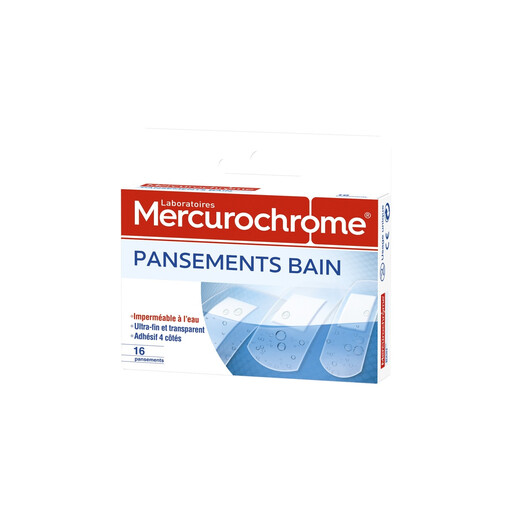
Why this suits this profile: A box of 16 pre-cut plasters is enough for everyday small cuts and grazes, whether at home or in your bag.
Its ultra-thin, transparent backing is paired with a non-stick pad. However, you need to replace it after a bath or as soon as it gets wet or dirty.
16 pre-cut plasters, waterproof backing, breathable material and a pad that won't stick to the wound.
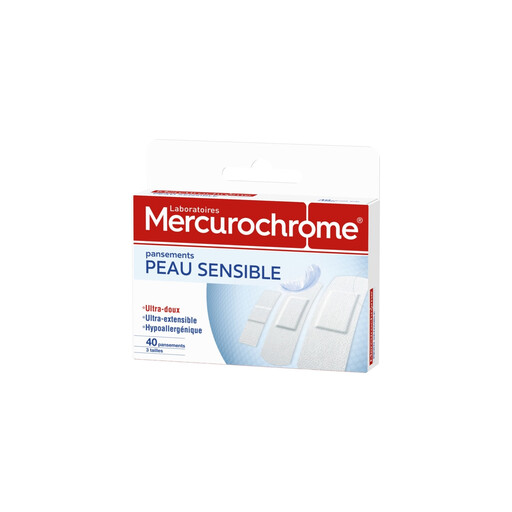
Why this suits this profile: Users who care about comfort get three sizes and a soft fabric that moves with you, especially on delicate skin.
The hypoallergenic claim is presented as a risk reduction, not a guaranteed absence of reaction. You still need to keep an eye on your skin.
40 pieces, three sizes, ultra-soft non-woven fabric, stretchy and breathable.
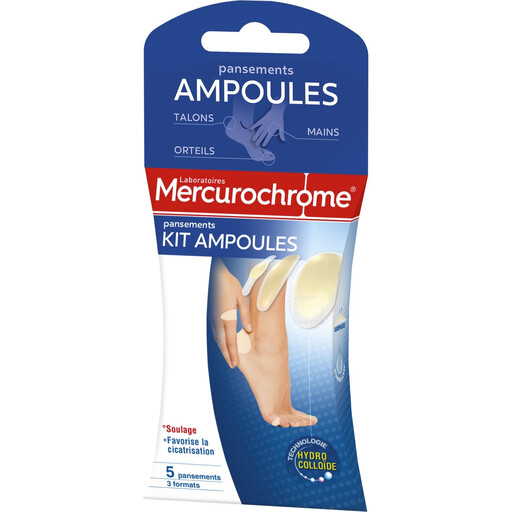
Why this suits this profile: Walkers, runners and anyone prone to shoe friction now have a format designed specifically for blisters on the feet.
The hydrocolloid format meets a specific need. Don't treat it as a universal plaster for all wounds.
Hydrocolloid technology, second-skin effect, flexibility, transparency and water resistance.
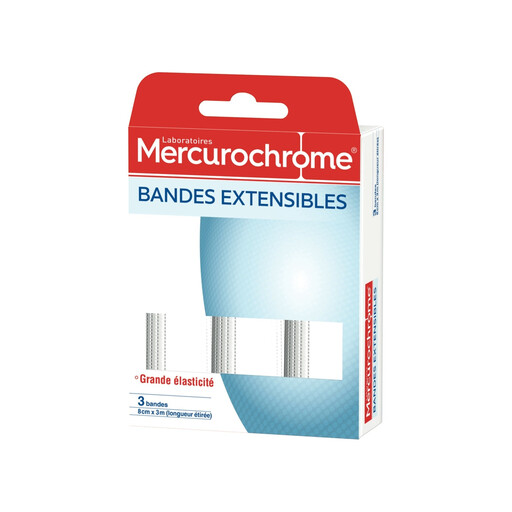
Why this suits this profile: This pack lets you secure a dressing on fingers, wrists and ankles, where the shape of the area makes applying a standard plaster impractical.
Its elastic design adapts to moving areas. Just wrap it without pulling too tight so you don't restrict circulation.
Three washable strips, 52% polyamide and 48% cotton composition, adjustable hold and reusable.
We've put together a comprehensive, real-time updated list of products that meet these demanding selection criteria and European safety regulations.
How long you can wear it depends on the model and the condition of the plaster. For standard types, replace it as soon as it's damp, dirty or peeling, or follow the instructions on the packaging. A hydrocolloid plaster can stay in place for several days if it remains well stuck and clean. Always check the product leaflet before use.
Some models are designed to isolate a small wound from water in the shower, bath or while swimming. However, how well they stay on depends on the area being protected, friction and how long you're in the water. Replace the plaster if it peels off or if water gets in under the edges.
No. Models designed to protect corns and calluses should be applied to intact skin, as stated in the product information. An open wound, persistent irritation or a foot problem requires medical or podiatry advice.