
Livraison le jour même ou le lendemain

Qualité garantie

Débloquez vos offres de bienvenue: Livraison GRATUITE | Jusqu'à -80 % | 30 jours d'essai gratuits à JoyPlus
Téléchargez l'application
A box of adhesive plasters seems easy to choose… until you need to protect a cut on your finger, a blister after a hike or a graze in the shower. Some plasters come unstuck when they get wet, while others irritate your skin or don’t cover the injured area properly.
Before you buy, watch out for these three common pitfalls:
For everyday use, waterproof plasters usually have a backing that helps keep water out, as well as adhesive around the edges. Still, check the manufacturer’s guidance: some plasters need replacing after they get wet, or as soon as the edges start to lift.
For showers, baths or swimming, look for an explicit claim such as waterproof or ‘waterproof protection’. A thin, transparent backing will also be less noticeable on your hands and arms.
Fabric plasters are flexible, making them a good choice for areas that move often. Depending on the product, cotton, polyamide or non-woven fabric will feel different against your skin. For a finger, choose a plaster designed to wrap around the shape of your finger or fingertip.
Even if a plaster is stretchy, don’t pull the backing taut when applying it. Clean and dry your skin, then press down the edges without stretching the plaster. For larger wounds, you can use a roll of plaster with a sterile dressing.
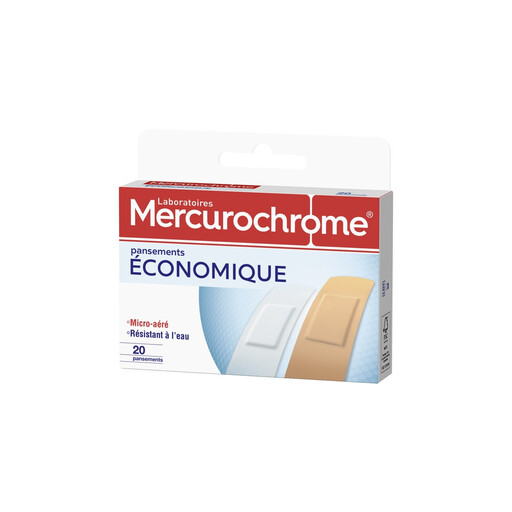
Why it’s a good choice for this group : This pack of 20 plasters is easy to keep in a family first-aid kit for treating everyday minor cuts and grazes.
Its water-resistant backing is suitable for everyday use, without the need for an overly specialised option.
20 plasters, a flexible texture and a micro-aerated backing.
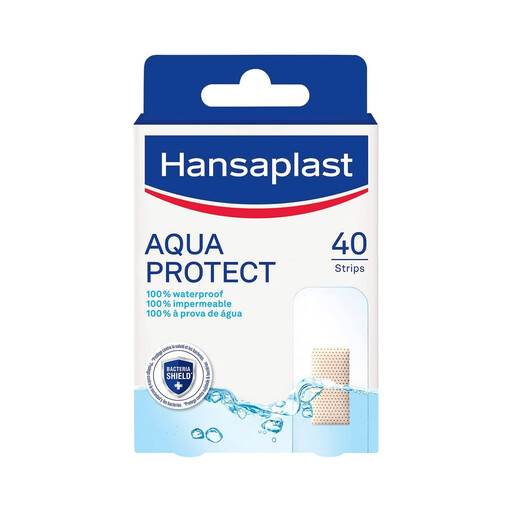
Why it’s a good choice for this group : This generous pack is ideal if you want to be prepared for everyday activities, trips away and water-based fun.
Its waterproof protection is clearly described as suitable for showers, baths and swimming.
40 plasters, a water-resistant backing and a dressing that won’t stick to the wound.
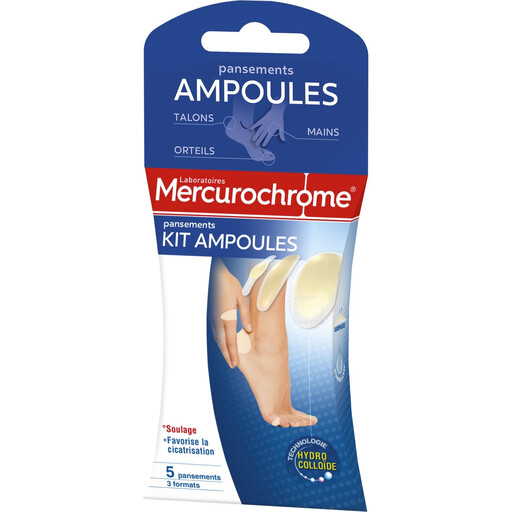
Why it’s a good choice for this group : This option is made for walkers, runners and anyone who regularly gets blisters from shoe friction.
Its blister-specific shape means you don’t have to rely on a standard plaster for an area prone to friction.
Hydrocolloid technology, a transparent backing and water resistance.
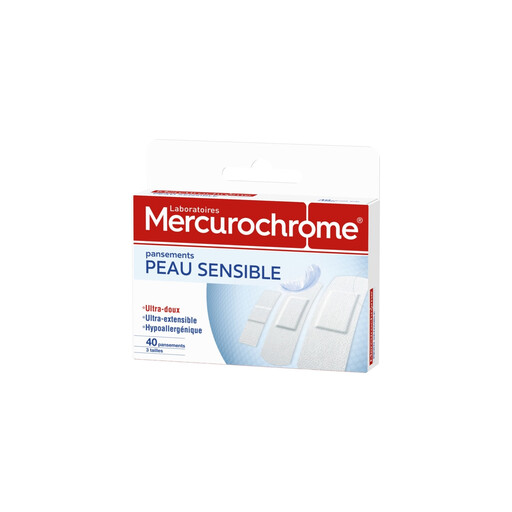
Why it’s a good choice for this group : Its very soft backing and three sizes make it a handy choice for households that use plasters regularly.
Its hypoallergenic design isn’t an absolute guarantee, so it’s still best to check how each person’s skin responds.
40 plasters, stretchy fabric, a breathable backing and three sizes.
We’ve put together a comprehensive, regularly updated selection of products that meet these exacting criteria and comply with European safety regulations.
Replace it if it gets wet, dirty or starts to come unstuck, or follow the instructions on the packaging. For a minor wound, gently clean the area and dry your skin before applying a fresh plaster. Never reuse a single-use plaster.
Yes, if the product is specifically described as waterproof. Apply it to clean, completely dry skin, pressing the edges down carefully. If water gets underneath or the adhesive starts to lift, replace it.
For a finger, choose a stretchy plaster or one specifically designed for that area to help you move freely. For a blister caused by friction, choose a hydrocolloid plaster made for the job. If a wound is deep, infected or not healing, ask a healthcare professional for advice.